Cozy Reading with Chronic Pain: Essential Tools for Comfort
“`html
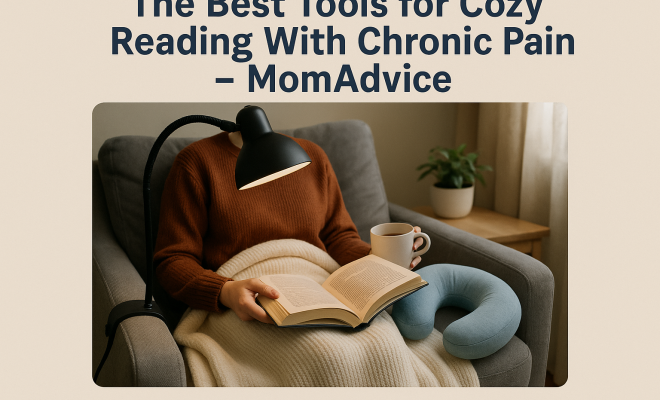
For those living with chronic pain, finding comfort in reading can be a challenging endeavor. However, with the right tools, you can transform your reading experience from a struggle into a cozy adventure. Here’s a comprehensive guide detailing the best cozy reading tools for chronic pain that can help you enjoy your favorite books without exacerbating discomfort.
1. Ergonomic Reading Pillows
Reading in comfort often starts with the right support for your back and neck. Ergonomic reading pillows are designed to provide optimal support, ensuring you maintain a good posture while enjoying your book. Many of these pillows have adjustable heights and angles, allowing you to customize your reading position to what feels best.
Look for options that feature memory foam or other supportive materials. Brands like Barnes & Noble and Leachco offer pillows specifically crafted for reading. Using an ergonomic pillow can help reduce strain on your spine and neck, making those long reading sessions more enjoyable.
2. Blue Light Blocking Glasses
For avid readers who spend hours staring at screens, blue light blocking glasses can be a game-changer. Chronic pain sufferers often deal with fatigue and eye strain, which can be exacerbated by prolonged screen time. These glasses filter out blue light emitted from screens, helping to reduce discomfort and improve your reading experience.
Many brands offer stylish options that can be worn whether you’re reading on a tablet or computer. Look for glasses that have anti-reflective coatings and UV protection. Using these can minimize headaches and eye fatigue, allowing you to engage with your favorite novels without the associated discomfort.
3. Adjustable Bookstands
If you prefer physical books, an adjustable bookstand can greatly enhance your reading comfort. These stands can hold your book at the perfect angle and height, reducing the strain on your wrists and neck as you read. Many models are lightweight and portable, making them perfect for use in bed or on the couch.
Consider options like the iPad Book Stand or the Book Holder Stand by Kootek. These stands often come with additional features like page holders and adjustable heights. By minimizing the need to hold your book, they can make reading much more accessible for those experiencing chronic pain.
4. Noise-Canceling Headphones
For many, reading is not just about the book; it’s also about the environment. Chronic pain can be heightened by stress and distractions. Noise-canceling headphones can help create a serene environment, allowing you to immerse yourself fully in your story. Whether you’re listening to an audiobook or simply blocking out the world while reading, these headphones are invaluable.
Brands like Bose and Sony offer high-quality options that effectively cut out background noise. Additionally, many of these headphones have features like ambient sound modes, which allow you to still stay aware of your surroundings if needed. This comfort can help ease the overall experience of reading while managing chronic pain.
5. Reading Lights
Good lighting is crucial for a pleasant reading experience. Poor lighting can cause eye strain and discomfort, which is particularly challenging for those with chronic pain. Investing in a quality reading light can help alleviate these issues by providing direct, adjustable illumination that suits your needs.
Consider options such as the Globe Electric LED Clip-on Light or BenQ’s e-Reading Desk Lamp. These lights offer adjustable brightness and color temperature, which can create a more comfortable reading environment. A well-lit space can help reduce fatigue and keep your mind focused on the storyline. (See: Ergonomic benefits of reading pillows.)
6. Comfortable Seating Options
Your seating choice makes a significant difference in your reading comfort. Look for chairs or couches that provide adequate support while allowing you to find your most comfortable position. Recliners or cushioned armchairs with lumbar support are excellent choices for readers with chronic pain.
Brands like La-Z-Boy and Ashley Furniture offer a variety of options designed with ergonomics in mind. You might also consider adding a cozy throw blanket or some plush cushions to your reading nook, providing extra comfort and warmth as you dive into your literary adventures.
7. Tablet or e-Reader Devices
For many readers, the convenience of tablets or e-readers cannot be overstated. These devices typically weigh less than traditional books and allow for adjustable text sizes, making them more accessible for those with chronic pain. Additionally, e-readers can store thousands of books, eliminating the physical burden of carrying multiple titles.
Popular options include the Amazon Kindle and Kobo Clara. Both devices offer features like built-in lighting and customizable fonts, making your reading experience adaptable to your needs. With an e-reader, you can comfortably read in bed, on the couch, or even while traveling, without worrying about the weight of physical books.
8. Book-Related Support Groups and Communities
Reading can also be a social activity, and finding community support can enhance your experience. Online forums and book clubs can provide a sense of connection and shared interest, especially for those experiencing chronic pain. Engaging with others can provide emotional support and encouragement, making your reading journey even more enjoyable.
Sites like Goodreads and Facebook groups dedicated to book lovers include options specifically for those with chronic pain. Sharing your favorite reads, discussing themes, or even recommending cozy reading tools can foster a supportive environment that enhances your overall reading experience.
9. Audiobooks and Podcasts
If holding a book feels like a challenge, audiobooks can be a lifesaver. They allow you to enjoy literature without the physical strain of reading. Many platforms like Audible and Scribd offer extensive libraries of audiobooks, catering to every taste. (reading strategies for chronic pain)
Podcasts can also provide storytelling in a comfortable format. Whether you’re interested in fiction, interviews, or discussions about literature, there’s a podcast out there that aligns with your interests. This auditory experience can allow you to dive into stories while resting your body, making it a perfect cozy reading alternative for those with chronic pain.
10. Mobility Aids for Reading Comfort
Finally, if mobility is an issue, consider tools like lap desks or portable book holders. These aids can make it easier to read while lying down or sitting up, providing stability and support for your book or e-reader. Look for designs that are lightweight and easy to maneuver, allowing you to adjust your reading setup as needed.
Brands like LapGear and Sauder offer innovative solutions that can help you find the best position for reading without additional strain. By utilizing these mobility aids, you can keep your focus on the story rather than the discomfort.
11. Text-to-Speech Technology
Text-to-speech (TTS) technology can be a fantastic resource for those with chronic pain who may find it difficult to hold or focus on books. Many e-readers and apps now come equipped with TTS functionality, allowing you to listen to the text being read aloud. This can be a wonderful way to enjoy books without the physical strain of holding them or turning pages.
For instance, apps like Speech Central or Natural Reader can take any text and convert it into speech. The ability to listen rather than read can make the experience much more enjoyable and less taxing on your body.
12. Reading Apps with Features for Comfort
There are plenty of reading apps designed to cater to those with specific needs, including chronic pain sufferers. For example, apps like Libby and OverDrive not only offer a vast selection of eBooks and audiobooks but also provide customizable font sizes, backgrounds, and brightness settings. Making these adjustments can significantly enhance your comfort level while reading. (See: Understanding ergonomics and health.)
Additionally, apps like Kindle and Kobo allow users to highlight text and make notes, which can be particularly helpful for those who enjoy engaging more deeply with the material. This can bring a sense of satisfaction and involvement that enhances the joy of reading.
13. Customizable Reading Environments
Creating a comfortable reading environment goes beyond just having the right tools. You can also customize your space to suit your preferences. Consider factors like room temperature, chair positioning, and even scents. Many readers find that using essential oils like lavender or peppermint can enhance relaxation and focus while reading.
Another useful idea is to create a dedicated reading nook. This can be a corner of your living room or a cozy spot in your bedroom. Use soft lighting, comfortable seating, and perhaps a small shelf for your favorite reads. Surrounding yourself with items that bring you comfort and joy can transform the reading experience into a true sanctuary.
14. Physical Therapy Tools
Incorporating physical therapy tools into your reading routine can also make a significant difference. For instance, using a small foam roller or a therapeutic ball can help relieve tension in your back and shoulders while you read. Taking short breaks to stretch or use these tools can prevent discomfort from building up during long reading sessions.
Additionally, gentle stretching or yoga routines designed for chronic pain can be beneficial before or after your reading time. Engaging in these practices can help you feel more physically capable and comfortable, allowing you to fully enjoy the reading experience.
15. Understanding Your Pain and Reading Preferences
Everyone experiences chronic pain differently, which means your reading tools should cater to your personal needs. Keeping a journal to track which reading tools help alleviate or aggravate your pain can be beneficial. This can range from the type of chair you sit in to your choice of reading material. You may find that certain genres or formats (like visual novels versus traditional prose) resonate differently with your comfort levels.
Moreover, consider the timing of your reading sessions. Some people might find that they can read comfortably in the morning when they’re feeling fresh, while others might prefer evenings. Understanding your body’s rhythms can help tailor your reading experience to maximize comfort.
16. Enhancing Focus and Reducing Distractions
When living with chronic pain, distractions can lead to frustration. Implementing strategies to enhance focus while reading can enrich your experience. Techniques like the Pomodoro Technique, where you read for a set time followed by a short break, can help maintain concentration without overwhelming yourself.
Additionally, try to minimize distractions in your environment. This can involve turning off notifications on your devices, decluttering your reading area, or using tools like website blockers if you’re reading digitally. Creating a calm atmosphere with minimal interruptions can help you fully immerse yourself in your reading without the stress of pain distracting you.
17. Engaging with Different Mediums
Sometimes, diversifying the types of reading materials you engage with can provide a refreshing change. If traditional books feel taxing, consider graphic novels, poetry, or magazines, which can require less intense focus and may be more visually stimulating. You could also explore interactive formats, such as choose-your-own-adventure books, that can provide a dynamic reading experience.
Additionally, don’t shy away from engaging with shorter pieces, like essays or articles, which can give you the satisfaction of completing something without feeling drained by lengthy novels. This variety can keep your reading experience exciting and enjoyable, making it easier to stick with it even on difficult days. (See: Impact of blue light on eye health.)
18. Essential FAQs About Cozy Reading Tools for Chronic Pain
What are the best types of ergonomic pillows for reading?
Look for pillows with adjustable heights and angles, made from memory foam or other supportive materials. Brands like Barnes & Noble and Leachco offer excellent options specifically designed for reading.
How can I reduce eye strain while reading?
Using blue light blocking glasses and ensuring you have adequate reading light can help reduce eye strain. Also, taking frequent breaks to allow your eyes to rest is beneficial.
Are audiobooks as good as reading physical books?
Audiobooks allow for a different kind of engagement with the material and can be just as fulfilling as reading physical books. They are especially helpful for those with chronic pain who may find holding a book difficult.
Can I use my tablet for reading if I have chronic pain?
Yes, tablets and e-readers are often lighter than physical books and allow for adjustable font sizes and screen brightness, making them a great option for those dealing with chronic pain.
How can I create a comfortable reading environment?
Consider factors like lighting, seating, and temperature. Customize your space with items that bring you comfort, such as soft blankets, supportive cushions, and soothing scents.
What strategies can help me with focus while reading despite chronic pain?
Utilizing techniques like the Pomodoro Technique can help maintain concentration. Minimize distractions by turning off notifications and decluttering your reading area to create a calm atmosphere.
How often should I take breaks while reading?
It’s generally a good idea to take a short break every 20-30 minutes, especially if you’re experiencing discomfort. Use this time to stretch or shift positions to keep your body from getting stiff.
Incorporating these cozy reading tools for chronic pain into your routine can dramatically enhance your reading experience. From ergonomic supports to community resources, there’s a wealth of options available to create the perfect reading environment. The key is to experiment with different tools and find what works best for you, ensuring that you can enjoy the joy of reading without the burden of discomfort.
“`
Trending Now
Frequently Asked Questions
What are the best tools for reading with chronic pain?
Some of the best tools for reading with chronic pain include ergonomic reading pillows for back support, blue light blocking glasses to reduce eye strain, and adjustable bookstands to find the perfect reading angle. These tools can transform your reading experience into a more comfortable and enjoyable activity.
How can an ergonomic reading pillow help with chronic pain?
An ergonomic reading pillow provides optimal support for your back and neck, helping to maintain good posture while reading. This can significantly reduce strain on your spine and neck, making it easier to enjoy longer reading sessions without discomfort.
Do blue light blocking glasses help with reading comfort?
Yes, blue light blocking glasses can enhance reading comfort by filtering out blue light emitted from screens. This helps reduce eye strain and fatigue, allowing chronic pain sufferers to read for longer periods without experiencing headaches or discomfort.
What is the purpose of an adjustable bookstand?
An adjustable bookstand holds your book at the ideal angle and height, which minimizes strain on your wrists and neck while reading. This can greatly enhance comfort, making it easier for those with chronic pain to enjoy their favorite books.
Why is reading comfort important for those with chronic pain?
Reading comfort is crucial for individuals with chronic pain as it allows them to enjoy their favorite activities without exacerbating their discomfort. Using the right tools can help create a cozy reading environment, making it easier to immerse in stories without physical strain.
What did we miss? Let us know in the comments and join the conversation.