What Is the Zone of Proximal Development? Vygotsky’s Theory Explained
“`html
Understanding Vygotsky’s Contributions to Educational Psychology
Lev Vygotsky, a Russian psychologist, made significant contributions to educational psychology in the early 20th century. His theories, particularly the zone of proximal development (ZPD), have profoundly influenced educational practices and the way we understand learning processes. Vygotsky’s ideas emerged during a time when education was primarily focused on memorization and rote learning, which he believed limited the potential for deeper understanding and critical thinking.
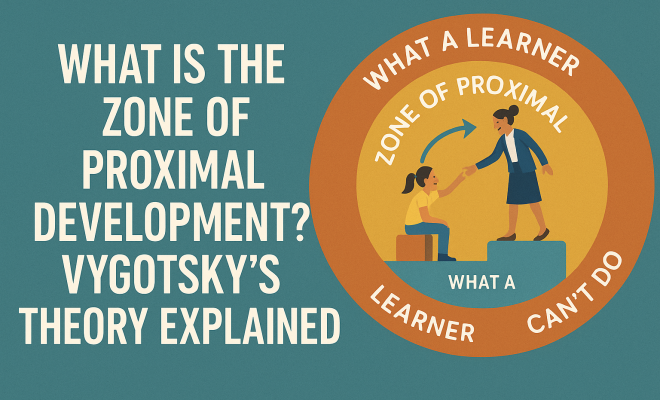
The ZPD is a central concept in Vygotsky’s theory, emphasizing the space between what a learner can do independently and what they can achieve with guidance. Vygotsky argued that learning occurs most effectively within this zone, where the learner is challenged just beyond their current abilities but still supported by guidance. The ZPD highlights the importance of social interaction and collaborative learning in the developmental process.
The Definition of the Zone of Proximal Development
The zone of proximal development is defined as the range of tasks that a learner can perform with the help of a more knowledgeable person, such as a teacher, parent, or peer. Vygotsky argued that learning occurs most effectively within this zone, where the learner is challenged just beyond their current abilities but still supported by guidance. The ZPD highlights the importance of social interaction and collaborative learning in the developmental process.
To clarify this concept, consider a child learning to solve math problems. If the child can solve basic addition independently but struggles with more complex problems, the ZPD encompasses those complex problems that they can solve with assistance. This idea reinforces the notion that learners thrive when they can engage in tasks that stretch their capabilities, provided they receive appropriate support.
The Importance of Scaffolding in Learning
Scaffolding is a crucial element that complements the zone of proximal development. It refers to the supportive strategies provided by a teacher or peer that enable the learner to advance within their ZPD. Just as scaffolding supports a building until it can stand on its own, educational scaffolding helps students gradually gain independence in their learning.
Effective scaffolding can take various forms, including:
- Modeling: Demonstrating a task before asking students to try it themselves.
- Prompting: Providing hints or cues to guide students toward the correct solution.
- Feedback: Offering constructive feedback that helps students adjust their approach.
- Collaborative learning: Encouraging learners to work together, sharing knowledge and strategies.
These strategies not only aid learners in their immediate tasks but also promote long-term understanding and skill development.
Vygotsky’s Views on Social Interaction and Learning
One of Vygotsky’s core beliefs was that learning is fundamentally a social process. He argued that social interaction plays a crucial role in cognitive development. According to Vygotsky, children learn best when they engage with others and participate in cooperative activities. This perspective contrasts with other theories that emphasize the individual nature of learning.
Vygotsky introduced the concept of the more knowledgeable other (MKO), which emphasizes the importance of guidance from someone more experienced. This could be a teacher, an older student, or even a parent. Through interaction with an MKO, learners can acquire new skills and knowledge that they would not have accessed independently. This collaborative approach fosters a deeper, more meaningful learning experience.
Applications of the Zone of Proximal Development in Education
The implications of the zone of proximal development are vast and varied in educational settings. Educators can harness this concept in numerous ways to enhance students’ learning experiences:
- Curriculum Design: Teachers can design curriculums that align tasks with students’ ZPDs, ensuring that instructional activities are appropriately challenging.
- Differentiated Instruction: Educators can tailor their teaching methods to meet the diverse needs of students. By assessing each student’s ZPD, teachers can provide individualized support that fosters growth.
- Peer Tutoring: Encouraging peer tutoring allows students to act as MKOs for one another, promoting collaborative learning while reinforcing their understanding.
- Formative Assessment: Ongoing assessments help teachers identify students’ ZPDs and adjust instruction accordingly to ensure optimal learning.
These applications highlight the practical relevance of Vygotsky’s theory in modern educational practices.
Current Relevance of Vygotsky’s Theory
Vygotsky’s ideas continue to resonate in contemporary educational discourse. In a world where collaborative learning environments are increasingly valued, the zone of proximal development remains a vital framework for understanding how learners engage with new information. Educators and researchers have built upon Vygotsky’s work to explore new methodologies and teaching strategies that prioritize social interaction and collaborative learning. (See: Wikipedia article on Zone of Proximal Development.)
For instance, the rise of technology in education has introduced new avenues for scaffolding and collaborative learning. Online platforms enable students to work together, share resources, and receive feedback from peers and instructors, all of which can be seen through the lens of Vygotsky’s theory.
Critiques and Limitations of Vygotsky’s Theory
While Vygotsky’s contributions to educational psychology are profound, some critiques exist. For instance, critics argue that focusing too much on social interaction may overlook individual differences in learning styles. Not every student thrives in collaborative settings; some may require more solitary time to process information.
Additionally, the ZPD can be challenging to assess accurately. Teachers need to be skilled in identifying each student’s capabilities and potential, which requires a deep understanding of not only the content but also the students themselves. Moreover, the effectiveness of scaffolding can vary significantly based on the quality of the interactions and the specific strategies employed.
Case Studies: The Zone of Proximal Development in Action
To bring Vygotsky’s theory to life, let’s look at some concrete examples of how the zone of proximal development has been applied in educational settings.
In a classroom setting, a teacher might identify that a group of students struggles with reading comprehension. Instead of assigning the same reading level to all, the teacher assesses each student’s ZPD and creates small reading groups. Each group has varied reading materials tailored to their needs, with the teacher providing targeted scaffolding such as guided reading sessions, vocabulary support, or peer discussions. This approach enables students to engage with texts that challenge them just enough to promote growth.
Another example can be seen in after-school tutoring programs. Tutors often utilize the ZPD by assessing students’ current abilities and providing individualized support. For instance, if a student is learning to write essays, a tutor might first model the essay structure before having the student try it themselves, providing feedback and prompts as needed. This structured support allows the student to develop confidence and skills in writing.
Integrating Technology and the Zone of Proximal Development
As technology continues to permeate educational environments, it offers exciting possibilities for implementing the zone of proximal development. Digital tools, such as interactive learning platforms and educational games, can provide tailored experiences that adapt to individual learners’ needs.
For example, gamified learning applications can assess students’ skills and dynamically adjust challenges based on their performance. This real-time feedback and support mimic the scaffolding concept, allowing students to engage with material that lies within their ZPD while receiving ongoing assistance.
Additionally, online collaborative tools enable students to work together on projects, share insights, and receive peer feedback. This not only fosters social interaction but also places students in the role of MKOs for their classmates, reinforcing their understanding while helping others.
Practical Strategies for Educators
For those looking to apply Vygotsky’s principles in their teaching, here are some practical strategies:
- Assess ZPDs Regularly: Use formative assessments to gauge students’ skills and identify their ZPDs. Adjust instruction based on these assessments.
- Create Collaborative Learning Environments: Promote teamwork through group projects, discussions, and peer tutoring to facilitate social learning.
- Implement Scaffolding Techniques: Use various scaffolding methods such as modeling, prompting, and providing clear feedback to support student learning.
- Encourage Reflection: Help students reflect on their learning processes and outcomes, fostering metacognition and self-awareness.
By taking these steps, educators can create enriching learning experiences that harness the power of the zone of proximal development.
Final Thoughts: The Legacy of Vygotsky’s Zone of Proximal Development
Vygotsky’s zone of proximal development offers a profound framework for understanding how learning occurs through social interaction and guidance. His insights remain relevant in today’s educational landscape, influencing how educators approach teaching and learning. By focusing on collaborative environments and tailored support, we can help students unlock their full potential.
As education continues to evolve, Vygotsky’s legacy reminds us of the importance of fostering connections, understanding individual learner needs, and supporting growth through the challenges of learning. In a world that thrives on collaboration and communication, these principles are more critical than ever.
Expanding the Zone of Proximal Development: The Role of Emotion in Learning
While Vygotsky emphasized cognitive development and social interaction, recent research suggests that emotional factors are equally vital in the learning process. Emotional engagement can significantly influence a learner’s ability to navigate their ZPD effectively. When students feel supported, safe, and valued in a learning environment, they’re more likely to take risks and tackle challenges that lie just beyond their current capabilities.
For instance, a supportive classroom atmosphere where students are encouraged to express their feelings and share their experiences can help them develop resilience. This emotional support enables them to engage more fully with challenging material, making it easier to reach their ZPD with the help of a teacher or peer. Educators might consider integrating social-emotional learning (SEL) into their curricula, allowing students to develop both their emotional and cognitive skills simultaneously.
The Role of Cultural Context in the Zone of Proximal Development
Vygotsky’s theories also emphasize the significance of cultural context in learning. The ZPD is not solely about individual capabilities; it also involves the cultural tools and practices that shape how students learn. Variations in cultural backgrounds can influence the types of knowledge and skills that students bring into the learning environment, as well as their preferred ways of engaging with new material.
For example, in some cultures, collaborative work is highly valued, while in others, individual achievement might be prioritized. Understanding these cultural nuances can help educators tailor their approaches to better align with the students’ backgrounds. By incorporating culturally relevant content and practices, teachers can create a more inclusive learning environment that acknowledges and builds upon the diverse experiences of their students.
Statistics on Collaborative Learning and Its Impact
Numerous studies highlight the benefits of collaborative learning, particularly in relation to Vygotsky’s ZPD. Research has shown that students engaged in collaborative learning environments tend to perform better academically. A study by Johnson and Johnson found that students in cooperative learning situations scored 78% higher on assessments than those who learned individually. This statistic underscores the importance of social interaction in pushing learners to engage with material that lies within their ZPD.
Moreover, a report from the American Educational Research Association indicated that classrooms that implemented collaborative teaching methods saw a 30% increase in student engagement and motivation. These statistics illustrate the tangible benefits of applying Vygotsky’s principles, supporting the idea that effective learning occurs when students work together and utilize their shared knowledge.
Expert Perspectives on Vygotsky’s Theory
Many educational theorists and practitioners have reflected on Vygotsky’s impact and the continued relevance of the ZPD. According to Dr. Barbara Rogoff, a leading psychologist in cultural psychology, “Vygotsky’s work reminds us that learning is not just an individual endeavor. It is deeply social, and our interactions shape our understanding.” This perspective aligns with the notion that collaborative learning is critical for effective education.
Similarly, Professor David Wood points out that “scaffolding is not just a technique; it requires sensitivity to a child’s needs and an ability to adapt as they progress.” This insight emphasizes the dynamic nature of teaching within the ZPD, where educators must be attuned to the changing requirements of their students as they develop new skills.
Frequently Asked Questions about the Zone of Proximal Development
What is the main idea behind the zone of proximal development?
The main idea behind the zone of proximal development (ZPD) is that learners can achieve greater understanding and skills with the help of a more knowledgeable person. The ZPD represents the gap between what a learner can do independently and what they can do with guidance.
How can teachers identify a student’s ZPD?
Teachers can identify a student’s ZPD through a combination of assessments, observations, and conversations. By understanding what students can do independently and where they struggle, teachers can tailor their instruction to provide appropriate challenges and support.
What are some examples of scaffolding strategies?
Some examples of scaffolding strategies include modeling a task for students, providing hints when they struggle, offering constructive feedback, and facilitating peer discussions. These strategies help learners tackle tasks within their ZPD while building their confidence and skills.
How does emotional support relate to the zone of proximal development?
Emotional support is crucial for effective learning within the ZPD. When students feel safe and valued, they’re more likely to take risks and engage with challenging material. An emotionally supportive environment enhances their ability to learn from their interactions with peers and teachers.
Can the ZPD be applied outside of formal education?
Yes, the concept of the zone of proximal development can be applied in various contexts beyond formal education, such as in family settings, mentorship relationships, and workplace training. Anytime someone learns with the support of a more knowledgeable individual, the principles of the ZPD are at work.
What are the criticisms of Vygotsky’s theory?
While Vygotsky’s theory has been widely embraced, some criticisms include its potential underestimation of individual learning differences and challenges in accurately assessing a student’s ZPD. Critics argue that not all students may thrive in collaborative settings, and some may require more individualized approaches to learning.
Future Directions in Research on the Zone of Proximal Development
Looking ahead, research on the zone of proximal development continues to evolve. Scholars are increasingly investigating the intersection of technology, emotional intelligence, and cultural context within the framework of the ZPD. For example, studies are exploring how virtual reality (VR) environments can facilitate experiential learning within a student’s ZPD, allowing for immersive experiences that might not be possible in traditional classrooms.
Additionally, there is a growing interest in how emotional and social factors impact the effectiveness of scaffolding methods. Researchers are examining how emotional intelligence can enhance the learning experience and support students in navigating their ZPD more effectively. Understanding these factors may lead to more refined approaches tailored to individual learners’ needs.
The Impact of Teacher Training on Implementing Vygotsky’s Principles
For Vygotsky’s theories to be effectively integrated into classrooms, teacher training programs must emphasize the importance of understanding the ZPD and its applications in teaching. Training that focuses on collaborative teaching practices, assessment techniques to identify students’ ZPDs, and scaffolding strategies can empower teachers to create more engaging and responsive learning environments.
Furthermore, ongoing professional development should encourage educators to share best practices and reflect on their experiences with implementing ZPD-based strategies. This collaborative approach among teachers can foster a community of practice that enhances collective understanding and improves student outcomes.
The Role of Families in Supporting the Zone of Proximal Development
Families play a crucial role in a child’s development and can significantly influence their ability to navigate their ZPD. Parents and caregivers who actively engage in their children’s learning—by asking questions, encouraging exploration, and providing appropriate support—help children stretch their capabilities beyond their current skills.
For example, when parents read with their children, they are not only helping them decode words but also modeling comprehension strategies and fostering a love for reading. This kind of involvement aligns with Vygotsky’s ideas about the importance of social interaction and guided learning. By empowering families with knowledge about the ZPD, educators can encourage a home environment that complements and enhances school learning.
Conclusion: Embracing the Zone of Proximal Development in Modern Education
The zone of proximal development serves as a powerful reminder that learning is a dynamic interplay between individual capabilities and social interaction. By embracing this concept, educators can create learning environments that recognize the diversity of student needs, foster collaboration, and promote emotional growth alongside cognitive development.
As we move forward in education, it’s essential to continually reflect on how Vygotsky’s principles can be applied in innovative ways. Whether through technology, cultural understanding, or family engagement, the ZPD remains a foundational concept that can guide us in helping learners realize their full potential.
“`
Trending Now
Frequently Asked Questions
What does Vygotsky's Zone of Proximal Development mean?
Vygotsky's Zone of Proximal Development (ZPD) refers to the range of tasks that a learner can perform with the help of a more knowledgeable person. It emphasizes the importance of social interaction and guidance in learning, highlighting that effective learning occurs when students are challenged just beyond their current abilities.
How does the Zone of Proximal Development influence teaching?
The Zone of Proximal Development influences teaching by encouraging educators to identify tasks that students can accomplish with support. This approach promotes collaborative learning and scaffolding, allowing learners to tackle challenges that stretch their capabilities while receiving necessary guidance.
What is the role of scaffolding in learning?
Scaffolding is a teaching method that involves providing temporary support to learners as they develop new skills. Within the Zone of Proximal Development, scaffolding helps students engage with challenging tasks, gradually reducing assistance as they become more proficient, fostering independence in learning.
Why is social interaction important in Vygotsky's theory?
Social interaction is crucial in Vygotsky's theory because it facilitates learning within the Zone of Proximal Development. Collaborative learning experiences allow learners to gain insights from peers and mentors, enhancing their understanding and enabling them to tackle more complex tasks.
How can parents support their child's learning in the ZPD?
Parents can support their child's learning in the ZPD by engaging in activities that challenge their abilities while providing guidance. This could involve helping with homework, encouraging problem-solving, or collaborating on projects, ensuring that the child feels supported as they explore new concepts.
Have you experienced this yourself? We’d love to hear your story in the comments.