UK Bans Social Media for Under 16s in 2026: Safety vs. Freedom
“`html
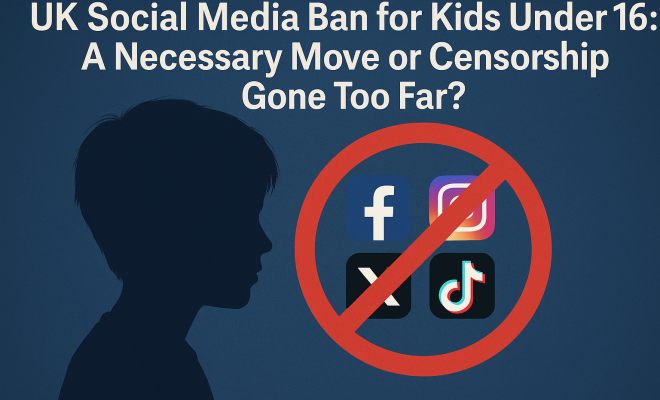
The growing concerns around children’s safety online have led the UK government to take a serious stance on social media usage among minors. On June 15, 2026, Prime Minister Keir Starmer announced a sweeping policy that would ban social media for anyone under 16—a move that echoes similar actions taken in Australia. This UK social media ban for kids is positioned as a crucial measure for protecting the mental health and well-being of the younger generation. But, as this policy gains traction, it opens up a complex dialogue about the balance between child safety and the potential for censorship.
The Context Behind the Ban
In recent years, the conversation surrounding children’s access to social media has intensified. With alarming statistics indicating a rise in mental health issues among teens, many are questioning the role of social media platforms in this trend. Research has shown that excessive use of social media can lead to anxiety, depression, and low self-esteem in young users. The UK’s decision to implement a ban follows a growing body of evidence suggesting a link between social media and adverse mental health outcomes in youth.
Australia’s previous steps towards limiting social media access for minors have set a precedent that the UK is now following. As nations grapple with the implications of digital engagement, the UK social media ban for kids is seen as a proactive measure to safeguard children from the potential harms of online interactions.
Public Reaction: Support and Pushback
As with any significant policy change, the response to the UK social media ban for kids has been mixed. Many parents are expressing relief, believing that restricting access will help protect their children from online predators, cyberbullying, and inappropriate content. A national survey revealed that nearly 70% of parents support the ban, viewing it as a necessary step to preserve their children’s mental health.
On the flip side, some critics are raising concerns about censorship. They argue that banning social media could infringe on children’s rights to free expression and limit their ability to connect with peers and engage with the world. They worry that the ban creates a dangerous precedent where the government dictates what minors can and cannot access, opening a slippery slope of increased regulation and potential misuse of authority.
The Role of Social Media Companies
As the UK social media ban for kids takes shape, social media companies find themselves at a critical juncture. Critics argue that these platforms should be doing more to ensure a safe online environment for children, rather than relying on government intervention. Several experts suggest that companies need to implement stricter age verification processes, better content moderation, and educational resources for parents and children alike.
In the absence of effective self-regulation, the responsibility has shifted to policymakers. Companies like Facebook and TikTok have faced significant scrutiny over their commitment to protecting young users. They must now consider how to adapt their platforms to prioritize the mental health of younger audiences without sacrificing engagement and profit.
Legal Implications of the Ban
The legal ramifications of the UK social media ban for kids could be significant. While the intention is to protect minors, the challenge lies in enforcement. How will the government monitor compliance? Will there be penalties for social media companies that fail to adhere to the new regulations? These questions remain largely unanswered and highlight the complexities of legislating internet usage.
Moreover, the potential for legal challenges looms large. Civil liberties groups are likely to contest the ban, arguing that it infringes on personal freedoms and free speech rights. The UK government will need to tread carefully to navigate these legal waters while maintaining its commitment to child safety.
Comparing Global Approaches
Looking beyond the UK, various countries have taken different approaches to regulate social media for minors. In the United States, discussions around age restrictions often center on parental control rather than outright bans. For example, some states have proposed legislation requiring parental consent for minors to create social media accounts.
In contrast, countries like China have implemented more restrictive policies that limit overall screen time for minors and impose stringent regulations on content. These varying frameworks raise questions about what the best model for social media regulation is, particularly in a world that increasingly relies on digital communication. (See: Statistics on mental health issues.)
Understanding the Mental Health Connection
As the UK social media ban for kids seeks to address mental health issues, it’s crucial to delve into the specific ways social media impacts young people’s emotional and psychological well-being. Studies have shown that social media can exacerbate feelings of loneliness and isolation, especially when young users compare their lives to the highlight reels presented by their peers online. The pressure to maintain a curated social media presence can lead to stress and anxiety.
Furthermore, the prevalence of cyberbullying on social media platforms is a significant concern. Research indicates that over 37% of young people have experienced cyberbullying, leading to devastating consequences such as depression and, in extreme cases, suicide. The UK social media ban for kids could serve as a critical intervention to help mitigate these risks.
Potential Consequences of the Ban
The immediate effects of the UK social media ban for kids are likely to shift the dynamics of online interaction among youth. While some may argue that it will foster healthier relationships and encourage offline activities, others worry it may drive children towards unregulated and potentially dangerous platforms.
Additionally, the ban could have long-term ramifications for social media companies. If a significant portion of their user base—namely minors—is removed, it may impact their advertising revenue and growth strategies. Companies may need to pivot their business models to adapt to these changes, potentially leading to innovations in how they approach youth engagement.
Exploring Alternatives to a Ban
Instead of an outright ban, some experts suggest that a more nuanced approach could be more effective in fostering safe online environments for children. This could include enhanced educational initiatives aimed at teaching digital literacy and responsible social media use, equipping young users with the tools they need to navigate the online world safely.
Parental involvement is also crucial in this equation. Encouraging parents to engage in their children’s online activities and discuss the potential risks associated with social media can help create a more balanced approach to digital engagement. Programs that promote open dialogue between children and parents about their online experiences can foster a safer digital environment.
Looking Ahead: The Future of Social Media Regulations
The UK social media ban for kids raises important questions about the future of social media regulations. As technology continues to evolve, so too will the challenges associated with it. Policymakers must remain vigilant and adaptable to ensure that regulations promote safety without stifling creativity and freedom of expression.
As we move forward, the conversation around social media and youth mental health will likely remain at the forefront of public discourse. It will be essential for stakeholders—governments, social media companies, parents, and mental health professionals—to work together towards a shared goal: to create a safe and supportive online environment for our children.
Impact on Social Skills and Relationships
One of the significant concerns regarding social media use among minors is its effect on social skills and interpersonal relationships. With face-to-face communication often being replaced by texting and instant messaging, younger generations may struggle with developing essential social skills. Research has indicated that children who primarily communicate online may find it challenging to navigate real-world interactions. The UK social media ban for kids could encourage more in-person interaction, helping children develop stronger social skills.
This shift back to traditional forms of communication can also foster deeper, more meaningful relationships. In-person interactions allow for the nuances of body language, tone, and emotional responses that are often lost in digital communication. By engaging with peers in real life, children can learn empathy and emotional intelligence—crucial skills that will benefit them throughout their lives.
Parental Guidance and Education
As the ban rolls out, the role of parents will become even more critical in guiding children through their digital experiences. This is an opportunity for parents to step in and provide education on the safe and responsible use of technology. Workshops and resources can be developed to help parents understand the digital landscape and how to engage with their children in discussions about online behavior.
It’s also essential for parents to model healthy digital habits themselves. Children often follow the behavior of adults, so when parents demonstrate balanced technology use, it sets a positive example for their kids. This can involve establishing tech-free zones or times in the home, encouraging outdoor play, and promoting hobbies that don’t involve screens.
Case Studies: Social Media Bans in Other Countries
Examining other countries that have implemented similar bans can provide valuable insights into potential outcomes and best practices. For instance, in 2019, the government of Egypt set age restrictions on social media use, requiring users to be at least 13 years old and mandating parental consent for children under this age. Initial reports indicated a decrease in online harassment incidents, but also highlighted an increase in the use of VPNs and other means to circumvent these restrictions. This underscores the importance of not only the regulations themselves but also addressing the underlying causes of why children feel compelled to bypass these measures. (See: CDC resources on youth mental health.)
In contrast, New Zealand has taken a different approach by investing in digital literacy programs within schools. By educating children about the internet, its risks, and the importance of privacy, New Zealand aims to empower youngsters rather than impose restrictions. This might serve as a model for the UK, showing that teaching critical thinking skills could be as effective as outright bans.
Expert Perspectives on the Ban
Experts in child psychology and digital media have varying opinions on the UK social media ban for kids. Dr. Emma Smith, a child psychologist, notes that “while the intentions behind the ban are commendable, it’s essential to consider how children will adapt and what alternative spaces they will find for social interaction.” She emphasizes the need for a holistic approach that includes education and engagement rather than isolation.
Conversely, Mark Thompson, a digital safety advocate, argues that “the ban is a necessary step in addressing the immediate dangers that children face online.” He believes that while there are potential drawbacks, the immediate protection from harmful content and interactions justifies the move. These differing viewpoints reflect the complexities of the issue and the need for comprehensive strategies that incorporate various perspectives.
Frequently Asked Questions (FAQ)
1. What is the UK social media ban for kids?
The UK social media ban for kids is a government policy that prohibits anyone under the age of 16 from using social media platforms. The intent is to mitigate the risks children face online, including exposure to harmful content, cyberbullying, and issues related to mental health.
2. When will the ban take effect?
The ban is expected to be enacted in early 2027, giving social media companies time to comply with the new regulations and parents time to adjust to the changes.
3. Will there be penalties for social media companies that do not comply?
Yes, there is potential for fines and other penalties for companies that do not enforce age restrictions effectively. The government is working on a framework for monitoring compliance and enforcing the ban.
4. How will this affect children’s social skills?
The intent behind the ban is to encourage more in-person interactions among children and promote the development of social skills. However, experts warn that it’s crucial to provide alternative avenues for socialization to prevent isolation.
5. What can parents do to help their children navigate this new landscape?
Parents can engage in open discussions about social media, provide education on digital literacy, and model healthy online behavior. Encouraging outdoor activities and hobbies that do not involve screens can also help children adjust to reduced social media use.
6. Are there any exceptions to the ban?
Currently, there are no publicly announced exceptions to the ban. However, discussions may occur regarding how to handle specific circumstances, such as children using social media for educational purposes.
7. How can children stay connected with friends if they can’t use social media?
Children can connect through traditional means like phone calls, text messaging, or even in-person meet-ups. Encouraging group activities and hobbies can foster connections without relying on social media platforms.
8. What digital literacy resources are available for parents and children?
Various organizations and educational institutions offer programs and workshops focused on digital literacy. Parents can look for resources from local schools, community centers, and online platforms that promote safe and responsible internet use. (See: WHO fact sheet on adolescent mental health.)
The Broader Implications of Social Media Usage
The UK social media ban for kids also prompts a consideration of broader implications regarding digital communication and societal norms. Historically, communication has evolved alongside technology, shifting from face-to-face interactions to phone calls, texts, and now to social media. This evolution has reshaped how relationships are formed and maintained.
It’s essential to understand how the ban may influence social behaviors, such as intimacy and trust among peers. For instance, studies have shown that the immediacy of social media can foster superficial connections but also lead to misunderstandings and conflicts that could be resolved more effectively in person. The potential ban might encourage a return to deeper relationships formed through more direct communication methods, enhancing community and social cohesion.
International Comparisons and Lessons Learned
When examining the UK social media ban for kids, it’s beneficial to look at how other countries are navigating similar challenges. In Canada, for example, the government has focused on improving online safety through education rather than outright bans. The Canadian approach includes integrating digital literacy into school curriculums, empowering children to make informed choices online and equipping them with skills to deal with potential online threats.
Furthermore, in Germany, strict laws have been implemented for social media companies to take responsibility for content published on their platforms. This includes requirements for timely removal of harmful content and transparency in their algorithms. The UK might glean valuable insights from these approaches to create a balanced framework that promotes safety while respecting freedoms.
Potential for a New Digital Culture
The implementation of the UK social media ban for kids could herald the emergence of a new digital culture, one that prioritizes mental health and well-being over constant connectivity. If children are encouraged to step away from social media, they may explore more creative outlets, engage in physical activities, or develop hobbies that do not rely on technology. This shift could cultivate a generation with a healthier relationship with digital devices.
Moreover, this could lead to a renaissance of community engagement, where children invest more time in local activities, sports, and clubs. Encouraging participation in community events can enhance their sense of belonging and connection to the world around them, countering the isolation that excessive screen time can foster.
Looking for Better Solutions
While the UK social media ban for kids aims to protect minors, there’s a growing consensus that better solutions may exist. Alternatives like time-limited usage, parental controls, and educational initiatives can offer more flexibility while still safeguarding children. For instance, social media platforms could introduce features that allow parents to monitor usage and set boundaries, enabling a compromise that encourages responsible use without a total ban.
Collaboration between tech companies, educational institutions, and policymakers could lead to innovative solutions that address the root causes of social media-related harm rather than just their symptoms. This multidimensional approach could foster a healthier online environment that empowers young users while preserving their rights to free expression and digital engagement.
“`
Trending Now
Frequently Asked Questions
Why did the UK government ban social media for kids under 16?
The UK government implemented the social media ban for kids under 16 to address growing concerns about children's safety online and the rising mental health issues linked to excessive social media use, such as anxiety and depression.
What are the benefits of banning social media for minors?
Banning social media for minors is believed to protect children from online dangers, including cyberbullying and inappropriate content, while promoting better mental health by reducing exposure to harmful online interactions.
How do parents feel about the UK social media ban for kids?
Many parents support the UK social media ban, with nearly 70% expressing relief that it will help safeguard their children from online predators and the negative impacts of social media on mental health.
What evidence supports the need for a social media ban for children?
Research indicates a correlation between excessive social media use and rising mental health issues in teens, including anxiety, depression, and low self-esteem, prompting the UK to take action to protect young users.
Is the UK social media ban similar to any other countries?
Yes, the UK social media ban for kids mirrors actions taken in Australia, which has also sought to limit minors' access to social media as a response to concerns about online safety and mental health.
Agree or disagree? Drop a comment and tell us what you think.