How Avoidant Attachment Affects Relationships in High School
“`html
High school is often viewed as a formative time in a young person’s life, filled with milestones, friendships, and yes, romantic relationships. But not all relationships are created equal, especially when elements like avoidant attachment come into play. Understanding how avoidant attachment affects relationships in high school can shed light on the complexities faced by teens navigating this crucial developmental stage.
Understanding Attachment Theory
To grasp the implications of avoidant attachment in high school relationships, it’s essential to first understand attachment theory. Developed by psychologist John Bowlby in the mid-20th century, attachment theory explores the bonds formed between children and their caregivers and how these early experiences influence emotional development and relationships throughout life.
Attachment styles can be categorized into four main types: secure, anxious, avoidant, and disorganized. Secure attachment is characterized by a healthy balance of closeness and independence. Anxious attachment involves a preoccupation with relationships and fear of abandonment, whereas avoidant attachment is marked by a reluctance to depend on others and difficulty with emotional intimacy. Disorganized attachment combines elements of both anxious and avoidant styles.
Recognizing Avoidant Attachment in High School
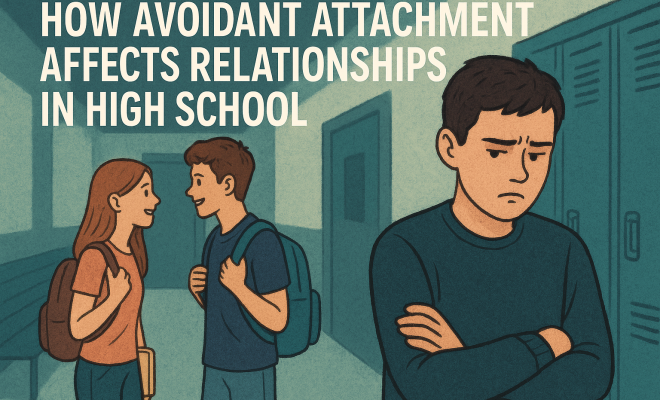
Avoidant attachment in high school students manifests in various ways. Teens may seem emotionally distant, struggle to express their feelings, or disengage from intimate conversations. They might avoid conflict or create space between themselves and others, leading to misunderstandings and frustration among peers and partners.
- Difficulty with Intimacy: High school students with avoidant attachment often shy away from emotional closeness. They might prefer casual relationships rather than deep connections.
- Fear of Vulnerability: They may also have a fear of being vulnerable, causing them to keep their partners at arm’s length, which can create conflict.
- Discomfort with Dependence: Many avoidantly attached teens struggle to rely on others, leading them to prioritize personal independence over relational closeness.
How Avoidant Attachment Shapes Relationship Dynamics
Relationships in high school can be tumultuous, and when avoidant attachment enters the equation, it can complicate dynamics significantly. Teens with this attachment style might enter relationships seeking connection but quickly pull away when things become too intense or intimate.
This push-and-pull dynamic can leave partners feeling confused and hurt. For many, the experience can be disheartening, leading to a cycle of seeking connections that are then sabotaged by the avoidant individual’s reluctance to engage fully. It becomes a constant challenge: one partner desires closeness while the other seeks distance.
Impact on Romantic Relationships
In romantic relationships, the effects of avoidant attachment can be particularly pronounced. Often, the avoidantly attached teen may exhibit behaviors such as:
- Minimizing Conflict: They may avoid conversations that could lead to conflict, preferring to sweep issues under the rug rather than address them openly.
- Emotional Withdrawal: In times of stress or conflict, avoidantly attached teens are likely to withdraw emotionally, which can lead to misunderstandings and resentment.
- Limited Communication: Open communication is essential for healthy relationships, but those with avoidant attachment might struggle to articulate their feelings or needs.
Influence on Friendships
Avoidant attachment extends beyond romantic relationships; it heavily influences friendships as well. For teens who exhibit this attachment style, social connections can often feel overwhelming. They might find themselves gravitating towards larger social circles where they can interact without the pressure of deep emotional engagement. (See: Attachment Theory overview.)
This can lead to superficial friendships, where the depth of emotional connection is limited. While it might seem easier to maintain these kinds of relationships, avoidantly attached individuals often feel lonely and disconnected in the long run. The lack of meaningful connections can exacerbate feelings of isolation, fueling a cycle of withdrawal.
Strategies for Teens with Avoidant Attachment
If you recognize avoidant attachment patterns in yourself or a peer, it’s crucial to remember that these behaviors can be addressed and improved upon. Here are some strategies that may help:
- Self-Awareness: Recognizing your attachment style is the first step. Journaling about feelings and relationship dynamics can provide clarity.
- Open Communication: Practice sharing feelings with trusted friends or adults. Starting small can help build confidence in expressing emotions.
- Gradual Exposure to Intimacy: Encourage gradual steps toward deeper connections. This could mean spending more time with someone or engaging in activities that promote bonding.
Supporting Peers with Avoidant Attachment
If you have a friend or partner who exhibits avoidant attachment behaviors, being supportive and understanding is crucial. Here are some ways to foster a supportive environment:
- Be Patient: Understand that building trust takes time. Avoid putting pressure on them to open up quickly.
- Encourage Dialogue: Create a safe space for conversations. Let them know it’s okay to express feelings without fear of judgment.
- Respect Boundaries: While it’s important to encourage closeness, respecting their need for space is equally vital.
The Role of Educators and Counselors
Educators and school counselors play an important role in addressing avoidant attachment in the high school setting. By fostering an environment of emotional intelligence and understanding, they can help students navigate their relationships more effectively.
School programs that focus on social-emotional learning can provide students with tools to better understand their attachment styles and improve their interpersonal skills. Workshops that emphasize communication, conflict resolution, and empathy can be particularly beneficial for those struggling with avoidant attachment.
The Long-Term Effects of Avoidant Attachment
The impact of avoidant attachment doesn’t end with high school. Research suggests that the attachment styles formed during adolescence can carry into adulthood, affecting romantic relationships, friendships, and even workplace dynamics.
Adults with avoidant attachment may find themselves repeating the same patterns of emotional distance and reluctance to engage deeply. Understanding and addressing these issues early on can lead to healthier relationship dynamics in the future. Therapy and self-help resources can be invaluable for those looking to change their attachment patterns.
Current Relevance in a Digital Age
Today’s teens navigate a world that intertwines social media with real-life interactions, often complicating the dynamics of avoidant attachment. Platforms like Instagram and Snapchat can create an illusion of connection, yet may also reinforce feelings of isolation and superficiality. Teens might feel pressured to present a curated version of themselves, further distancing them from authentic connection.
In this digital landscape, it becomes even more critical to address avoidant attachment. Encouraging genuine dialogue—both online and offline—can help mitigate the effects of this attachment style, leading to more meaningful relationships. (See: Mental health in children.)
Further Implications of Avoidant Attachment in High School
Beyond just romantic relationships and friendships, avoidant attachment can have profound implications on a teen’s overall well-being and academic performance. For example, students with avoidant attachment may struggle to ask for help when they need it, opting instead to work independently even when collaboration could enhance their learning experience. This tendency can lead to unnecessary stress and feelings of isolation within the school environment.
Research has highlighted that students with avoidant attachment can experience higher levels of anxiety and depressive symptoms. In a study published in the journal “Child Development,” researchers found that avoidant attachment in adolescents was significantly correlated with lower academic performance and increased feelings of loneliness. The study emphasized the importance of fostering secure attachment relationships not only for emotional health but also for academic success.
How to Cultivate Secure Attachment in Schools
Fostering secure attachments in schools can significantly benefit students, especially those exhibiting avoidant attachment behaviors. Schools can implement various programs aimed at promoting emotional literacy and secure attachments among students. Here are a few strategies:
- Peer Mentoring Programs: Establishing peer mentoring initiatives can create an environment where students feel supported and understood. Mentors can provide relatable experiences and advice, bridging gaps that avoidantly attached students may struggle to navigate.
- Group Projects: Incorporating more collaborative work in academics allows students to engage with peers in a less pressured environment. This can help promote trust and connection among students.
- Workshops on Emotional Intelligence: Providing workshops that focus on recognizing emotions, understanding attachment styles, and developing communication skills can equip students with the tools they need to form healthier relationships.
FAQ: Understanding Avoidant Attachment in High School Relationships
What are the signs of avoidant attachment in high school students?
Some signs of avoidant attachment include emotional distance, difficulty with intimacy, fear of vulnerability, and discomfort with dependence. Students might also prefer casual relationships and avoid deep conversations.
How can avoidant attachment affect academic performance?
Avoidant attachment can lead to increased feelings of isolation, difficulty in seeking help, and higher levels of anxiety, which can ultimately impact a student’s academic performance. They may hesitate to collaborate on projects, leading to missed opportunities for learning and social interaction.
Can avoidant attachment change over time?
Yes, avoidant attachment can change over time, especially with conscious effort and intervention. Engaging in therapy, developing self-awareness, and practicing emotional openness can help individuals shift towards a more secure attachment style.
What role do parents play in a teen’s attachment style?
Parents play a significant role in shaping a teen’s attachment style. Providing emotional support, being responsive to their needs, and fostering open communication can help develop secure attachments. Conversely, inconsistent or neglectful parenting can lead to avoidant attachment.
How can friends help someone with avoidant attachment?
Friends can help by being patient, creating a safe space for dialogue, and respecting boundaries. Encouraging gradual intimacy and providing reassurance can help avoidantly attached individuals feel more comfortable over time.
What are the potential long-term outcomes of avoidant attachment?
Long-term outcomes for those with avoidant attachment may include difficulties in adult relationships, increased feelings of loneliness, and potentially higher rates of anxiety and depression. These individuals might struggle to maintain close relationships, opting instead for emotional distance, thus perpetuating a cycle of isolation.
How can schools further support students with avoidant attachment?
Schools can support students by integrating social-emotional learning into the curriculum, offering counseling resources, and creating a more inclusive environment that encourages teamwork and empathy among peers. Programs focused on resilience and coping strategies can also equip students with better tools for managing their emotions and relationships.
Are there specific therapies that can help with avoidant attachment?
Yes, therapies such as Cognitive Behavioral Therapy (CBT) and Emotionally Focused Therapy (EFT) have shown effectiveness in helping individuals change their attachment patterns. These therapies focus on enhancing emotional awareness, improving communication skills, and fostering healthier relationship behaviors.
Final Thoughts: Navigating Relationships with Awareness
Understanding how avoidant attachment affects relationships in high school is key to fostering healthier connections among teens. By promoting awareness and providing tools for communication and emotional growth, we can empower young people to build the relationships they desire. Whether you’re a student, friend, or educator, recognizing the signs of avoidant attachment can lead to improved interactions and deeper connections.
As we move toward a society that increasingly values emotional intelligence and mental health, encouraging open discussions around attachment styles can help dismantle the stigma around emotional struggles. The more we talk about attachment and relationships, the better equipped our teens will be to navigate the complexities of their interpersonal connections. Schools, families, and communities must collectively work towards nurturing emotional well-being, as it is essential for the overall development of young individuals.
“`
Trending Now
Frequently Asked Questions
What is avoidant attachment in high school students?
Avoidant attachment in high school students is characterized by a reluctance to depend on others, difficulty expressing emotions, and a tendency to distance themselves from intimate relationships. These students may prefer casual connections over deeper emotional ties, often leading to misunderstandings in their friendships and romantic partnerships.
How does avoidant attachment affect relationships?
Avoidant attachment can significantly impact relationships by causing emotional distance and a fear of vulnerability. Individuals with this attachment style may struggle with intimacy and may avoid conflict, which can lead to frustration and misunderstandings with peers and partners in high school.
What are the signs of avoidant attachment in teens?
Signs of avoidant attachment in teens include emotional distancing, difficulty expressing feelings, and a preference for casual relationships. They may also avoid deep conversations and feel uncomfortable with emotional closeness, which can hinder their ability to form meaningful connections.
Can avoidant attachment change over time?
Yes, avoidant attachment can change over time, especially with positive relationship experiences and therapeutic interventions. As individuals grow and learn to navigate their emotions and relationships, they may develop a more secure attachment style, leading to healthier interactions in their future relationships.
What is the impact of attachment styles on teen relationships?
Attachment styles, including avoidant attachment, significantly influence teen relationships by shaping how individuals connect with others. Teens with secure attachments tend to have healthier, more fulfilling relationships, while those with avoidant or anxious attachments may face challenges such as emotional distance, fear of vulnerability, and difficulty in maintaining intimacy.
What’s your take on this? Share your thoughts in the comments below — we read every one.