Boost Preschoolers’ Gross Motor Skills: Activities for Developmental Delays
“`html
Gross motor skills are essential for preschoolers as they form the foundation for physical development and overall well-being. For children with developmental delays, these skills can be particularly challenging to develop. That’s why incorporating targeted gross motor activities for preschoolers is critical in supporting their growth. This article delves into the importance of gross motor skills, specific activities that can aid children with delays, and practical insights for parents and educators.
Understanding Gross Motor Skills
Gross motor skills involve the large muscles of the body that enable activities such as walking, running, jumping, and climbing. These skills are crucial for performing daily tasks and participating in play, which is vital for social and emotional development. In preschoolers, developing these skills helps with coordination, balance, and spatial awareness.
Children typically develop gross motor skills in stages, starting from basic movements like rolling over and sitting up to more complex actions like riding a bicycle or playing sports. However, some children with developmental delays may take longer to reach these milestones. Understanding the nuances of gross motor skill development can empower caregivers to create a supportive environment that encourages practice and play.
The Importance of Gross Motor Activities for Preschoolers with Developmental Delays
Engaging in gross motor activities is particularly significant for preschoolers with developmental delays for several reasons:
- Physical Health: Regular physical activity promotes cardiovascular health, strengthens bones, and helps maintain a healthy weight.
- Social Skills: Many gross motor activities are social in nature and encourage interaction with peers, which can enhance communication skills and foster friendships.
- Emotional Development: Successfully mastering a physical task can boost self-esteem and confidence, which are crucial for emotional well-being.
- Cognitive Skills: Activities often require problem-solving and decision-making, which can support cognitive development.
By integrating gross motor activities for preschoolers into their daily routines, caregivers can create a more enriching environment that nurtures growth across various domains.
Identifying Developmental Delays
Before diving into activities, it’s important to recognize developmental delays. These may manifest as significant difficulties in physical activities compared to peers. Signs may include:
- Challenges with balance and coordination
- Delayed walking or crawling
- Poor muscle tone or strength
- Difficulty with tasks requiring fine motor skills, such as grasping objects
If you suspect a delay, consulting a pediatrician or developmental specialist can help determine the best course of action. Early intervention is key; the sooner support is provided, the better the outcomes for the child.
Simple and Effective Gross Motor Activities
Here are some engaging gross motor activities for preschoolers that can aid in development, keeping in mind the unique needs of children with developmental delays:
1. Obstacle Courses
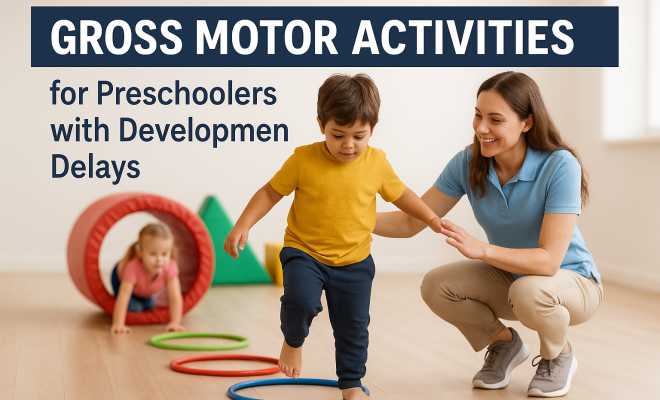
Create a simple obstacle course using pillows, hula hoops, and soft toys. Encourage children to crawl under, jump over, and navigate through obstacles. This activity promotes coordination, strength, and problem-solving skills.
2. Ball Games
Playing with balls is an excellent way to develop gross motor skills. Start with activities like rolling a ball back and forth, throwing a soft ball, or kicking a beach ball. Adjust the difficulty level based on the child’s capability. (See: CDC milestones for child development.)
3. Dancing and Movement Games
Music naturally encourages movement. Play music and let the children dance freely. Incorporate games like freeze dance, where they must freeze when the music stops. This promotes rhythm, balance, and body awareness.
4. Nature Walks
Taking nature walks can be therapeutic and beneficial. Explore different terrains, such as grass, sand, or gravel, allowing children to walk, jump, and explore their environment. Encourage them to observe and interact with nature, promoting sensory experiences along with physical activity.
5. Tricycles and Ride-On Toys
Using tricycles or ride-on toys helps develop leg strength and coordination. Choose toys that are age-appropriate and have a stable base to ensure safety. Set up a small track or path to navigate for added fun.
Adapting Activities for Individual Needs
Each child is unique, and activities should be tailored to their specific needs and abilities. Here are some tips for adapting gross motor activities:
- Adjust Difficulty: If an activity is too challenging, modify it to fit the child’s current abilities. For example, if jumping over a hurdle is difficult, encourage stepping over it instead.
- Provide Support: Use equipment like stability balls or balance beams to encourage confidence while providing a safe environment.
- Utilize Visual Cues: Using visual aids can help children understand what is expected. Picture schedules or demonstration videos can provide clear guidance.
- Incorporate Fun: Always prioritize enjoyment. If a child is not engaged, they are less likely to participate. Incorporate themes or favorite characters into activities for added excitement.
By making modifications, caregivers can ensure that all children can participate in and benefit from the activities.
The Role of Technology in Gross Motor Development
In today’s digital age, technology can play a role in supporting gross motor skills. Interactive video games that require physical movement can encourage kids to be active. Programs that utilize augmented reality can also turn physical activity into a fun game, allowing children to engage in movement while tracking their progress.
However, balance is key. While technology can supplement physical activity, it should not replace traditional methods. Combining screen time with active play can create a more rounded approach to development.
Building a Supportive Environment
A nurturing environment is crucial for fostering gross motor skills in preschoolers with developmental delays. Here are some strategies for creating such an environment:
- Encourage Exploration: Create safe spaces where children can explore and move freely. Outdoor areas, parks, or even spacious rooms can provide ample opportunities for movement.
- Model Movement: Engage in physical activities alongside children. Your participation not only encourages them but also builds a bond through shared experiences.
- Celebrate Achievements: Recognize and celebrate small achievements to encourage continued effort and growth. Positive reinforcement can be a powerful motivator.
- Collaborate with Professionals: If needed, seek guidance from occupational or physical therapists who specialize in preschool development. They can provide personalized strategies and insights.
Creating a supportive environment enhances children’s enjoyment of physical activity and encourages lifelong habits of health and fitness.
Community Resources and Support
Many communities offer resources and support for children with developmental delays. Look for local programs that focus on physical activity, such as:
- Special Needs Sports Leagues: These leagues provide opportunities for participation in a variety of sports, fostering both skill development and social interaction.
- Therapeutic Recreation Programs: Many parks and recreation departments offer adaptive sports or movement classes specifically designed for children with disabilities.
- Support Groups: Connecting with other parents facing similar challenges can provide emotional support and share practical insights.
Utilizing community resources can help reinforce the skills learned at home and create a more well-rounded experience for children.
The Long-Term Benefits of Early Intervention
Engaging preschoolers with developmental delays in gross motor activities has lasting benefits that extend beyond early childhood. Research shows that early intervention can lead to improved physical health, social skills, and academic performance later in life. The foundation laid during these formative years will influence their self-esteem and overall quality of life. (See: NIH resources on developmental delays.)
As children grow, the skills they develop now will carry over into more complex physical activities, enhancing their ability to participate in sports, recreational activities, and everyday tasks. By investing in gross motor development today, you’re equipping children with tools that will serve them throughout their lives.
Comparing Indoor and Outdoor Gross Motor Activities
When planning gross motor activities, consider the differences between indoor and outdoor settings. Both have unique advantages that can cater to a child’s developmental needs.
- Indoor Activities: These are great for controlled environments, especially during inclement weather. Activities like yoga, movement games using soft balls, or even simple stretches can keep kids active. The advantage of indoor activities is that they can be easily supervised and modified to suit various abilities.
- Outdoor Activities: These allow for exploration and a wider range of physical challenges. Climbing structures, running on grass, or playing with sports equipment outdoors can significantly enhance coordination and strength. The natural environment also provides sensory stimulation, which can be particularly beneficial for children with developmental delays.
Both types of activities should be incorporated into a child’s routine to provide a balanced approach to gross motor skills development.
Expert Perspectives on Gross Motor Skills Development
Experts in child development emphasize the importance of gross motor skills as foundational for overall development. According to pediatric occupational therapists, activities that involve movement not only strengthen muscles but also enhance cognitive processes. For example, navigating through an obstacle course requires planning, spatial awareness, and problem-solving, all while engaging the body.
Dr. Emily Hart, a child psychologist specializing in developmental delays, mentions that “gross motor activities build not just physical strength but also confidence and resilience. These skills help children handle challenges, both physically and emotionally.” Incorporating varied activities helps maintain interest and supports diverse learning styles.
Statistics on Physical Activity in Preschoolers
Research indicates that preschoolers should engage in at least 150 minutes of moderate to vigorous physical activity each week. Unfortunately, many children fall short of this guideline. A study reported that only 24% of preschool-aged children meet these recommendations, highlighting a significant opportunity for intervention through gross motor activities.
Additionally, children with developmental delays may be even less active, making it crucial for caregivers to prioritize and implement gross motor activities tailored to their needs. Understanding these statistics can help highlight the importance of establishing a culture of movement at home and in educational settings.
Common Questions About Gross Motor Activities for Preschoolers
What age should children start engaging in gross motor activities?
Children can start engaging in gross motor activities as early as infancy. Activities can be adapted as they grow, becoming more complex as they develop skills. By preschool age, structured activities can be introduced to enhance their abilities.
How can I assess if my child is developing gross motor skills appropriately?
Observe your child’s ability to perform age-appropriate physical tasks. If your child struggles significantly with activities like running, jumping, or balancing compared to peers, it may be worthwhile to consult a pediatrician for a developmental assessment.
Are there specific gross motor activities best suited for children with developmental delays?
Yes. Activities should be tailored to their interests and abilities. Simple, fun, and engaging activities like tossing a ball, dancing, or crawling through tunnels can be particularly beneficial. Always prioritize their engagement and enjoyment.
How can I encourage my child to participate in gross motor activities?
Make activities enjoyable by incorporating games, music, and themes that resonate with your child. Celebrate their achievements, no matter how small, to build confidence. Also, participating alongside them can increase their motivation and enjoyment.
Additional Tips for Encouraging Gross Motor Activities
In addition to the activities and strategies previously discussed, here are some more tips to help encourage preschoolers to engage in gross motor activities:
- Set Up Playdates: Arrange for playdates with peers. Social interactions can inspire children to participate in physical activities they might be hesitant to try alone.
- Join Local Groups: Look for local parenting groups or classes focused on physical activity. Engaging in group settings can motivate children and provide inspiration for new activities.
- Incorporate Movement Into Daily Routines: Find ways to add movement into everyday activities, such as dancing while doing chores or taking fun walking routes during errands.
- Use Seasonal Activities: Take advantage of seasonal activities. In the summer, swimming can be a fantastic way to promote gross motor skills. In the winter, building snowmen or sledding can also provide excellent physical engagement.
The Benefits of Play for Gross Motor Skills
Play is a powerful vehicle for learning and development. It’s through play that children engage in the experimentation necessary to develop gross motor skills. When children run, jump, dance, or climb, they are not just having fun; they are also working on their coordination, balance, and strength.
A study from the American Academy of Pediatrics highlights that unstructured playtime is essential for children. It allows them to engage their imagination, develop social skills, and improve motor skills. This underscores the importance of allowing children the freedom to play in their own way, embracing both structured activities and freely chosen play.
Incorporating Family Involvement
Family involvement can greatly enhance the effectiveness of gross motor activities. When families participate together, it strengthens bonds and encourages children to be more active. Here are some ideas for family-oriented activities:
- Family Sports Day: Organize a family sports day featuring various games and activities that promote movement. This could include relay races, tug-of-war, or even a family soccer match.
- Outdoor Adventures: Plan regular family outings that involve hiking, biking, or visiting parks where the children can run and explore.
- Creative Movement Classes: Consider enrolling the family in classes such as dance, martial arts, or gymnastics. These classes are not only beneficial for gross motor skills but also encourage teamwork and collaboration.
The Connection Between Nutrition and Gross Motor Skills
A child’s nutrition plays a crucial role in their physical development and ability to engage in gross motor activities. Proper nutrition supports muscle development, energy levels, and overall health, which are vital for active play. Here are some ways to connect nutrition to activity:
- Balanced Diet: Ensure children receive a balanced diet rich in fruits, vegetables, whole grains, and proteins. Nutrients from food fuel their bodies for play.
- Hydration: Encourage children to stay hydrated, especially during physical activities. Dehydration can lead to fatigue, impacting their willingness to engage in movement.
- Mindful Eating: Teach children about the importance of nutrition and how it affects their energy levels and strength, helping them understand the connection between what they eat and how they move.
Conclusion: A Journey of Growth and Development
Supporting preschoolers with developmental delays through gross motor activities is not just about improving physical skills; it’s about fostering a holistic approach to growth. By understanding the importance of these activities, recognizing the unique needs of each child, and creating a supportive environment, caregivers can make a significant impact. Remember to celebrate every small victory and encourage exploration and play. After all, the journey of growth is as important as the destination.
“`
Trending Now
Frequently Asked Questions
What are gross motor skills in preschoolers?
Gross motor skills involve the large muscles of the body and are essential for activities like walking, running, jumping, and climbing. These skills are crucial for preschoolers as they help with coordination, balance, and spatial awareness, forming the foundation for their physical development and overall well-being.
Why are gross motor activities important for children with developmental delays?
Gross motor activities are vital for children with developmental delays as they promote physical health, enhance social skills through peer interaction, and boost emotional development by building self-esteem and confidence. Engaging in these activities helps them master essential physical tasks and supports their overall growth.
What are some examples of gross motor activities for preschoolers?
Examples of gross motor activities for preschoolers include jumping on a trampoline, climbing on playground equipment, playing catch, riding tricycles, and participating in obstacle courses. These activities help develop strength, coordination, and balance in a fun and engaging way.
How can parents support gross motor skill development at home?
Parents can support gross motor skill development by creating opportunities for play that involve movement, such as outdoor games, dance, or sports. Providing safe spaces for children to explore their physical abilities and encouraging activities that require climbing, jumping, or balancing can greatly enhance their skills.
At what age do children typically develop gross motor skills?
Children typically develop gross motor skills in stages, starting from basic movements like rolling over and sitting up as infants to more complex actions like running and jumping by preschool age. However, children with developmental delays may take longer to reach these milestones, requiring tailored support and encouragement.
Agree or disagree? Drop a comment and tell us what you think.