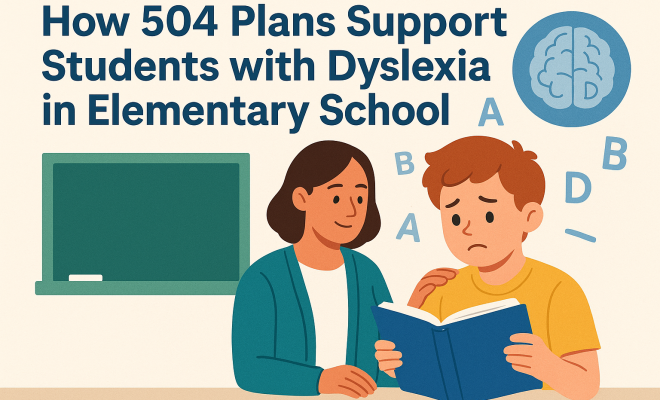
How 504 Plans Support Students with Dyslexia in Elementary School
“`html
When it comes to navigating the educational landscape, students with dyslexia often face unique challenges that can make learning an uphill battle. However, 504 plans for dyslexia serve as a crucial lifeline for these students, enabling them to receive necessary accommodations and support. By understanding the ins and outs of these plans, educators and parents can work together to create an environment where all children can thrive. In this article, we’ll explore how 504 plans operate, their benefits, and practical strategies to implement them effectively.
Understanding Dyslexia: A Brief Overview
Dyslexia is a learning disability that primarily affects reading skills. It is characterized by difficulties with accurate and/or fluent word recognition and by poor spelling and decoding abilities. According to the International Dyslexia Association, approximately 15-20% of the population has some symptoms of dyslexia, making it one of the most common learning disabilities. Early identification and intervention are crucial for helping children develop essential reading and writing skills.
Children with dyslexia often struggle with phonemic awareness, the ability to recognize and manipulate the sounds in words. This can lead to frustration and low self-esteem, particularly in an elementary school setting where reading proficiency is heavily emphasized. Recognizing the need for specialized support, educational systems have implemented various plans, one of which is the 504 plan.
What is a 504 Plan?
A 504 plan is part of the Rehabilitation Act of 1973, which prohibits discrimination based on disability in programs that receive federal funding. Essentially, a 504 plan provides accommodations for students with disabilities, ensuring they have equal access to education. Unlike Individualized Education Programs (IEPs), which are tailored specifically for students with identified disabilities requiring special education services, 504 plans are designed for students whose needs can be met through accommodations in the regular classroom environment.
For students with dyslexia, a 504 plan may include accommodations such as extra time on tests, access to audiobooks, or modified assignments. These adjustments aim to level the playing field, allowing students to demonstrate their understanding without being hindered by their reading difficulties. It’s important to note that while a 504 plan can significantly benefit students with dyslexia, it does not provide specialized instruction; instead, it focuses on removing barriers to learning.
The Process of Developing a 504 Plan
Creating a 504 plan begins with a formal evaluation process. Parents, teachers, and school administrators must work together to assess the student’s needs. Here’s a detailed breakdown of the steps involved:
- 1. Identification: The first step is recognizing that a child may have a disability that impacts their learning. Teachers are often the first to notice signs of dyslexia and should communicate concerns with parents.
- 2. Evaluation: Once concerns are raised, the school must conduct an evaluation. This may include standardized testing, teacher observations, and input from parents to gather comprehensive data on the child’s abilities and challenges.
- 3. Eligibility Determination: Based on the evaluation results, a team will determine if the child qualifies for a 504 plan. To be eligible, the student must have a documented disability that substantially limits one or more major life activities, such as learning.
- 4. Plan Development: If eligible, the team will collaborate to create the 504 plan, identifying specific accommodations and services tailored to the student’s needs.
- 5. Implementation: Once the plan is developed, teachers and staff are responsible for implementing the accommodations outlined in the 504 plan. Regular communication between parents and school personnel is essential during this stage.
- 6. Review and Revision: The 504 plan should be reviewed annually or more frequently if necessary. Adjustments can be made based on the child’s progress and evolving needs.
Key Accommodations for Students with Dyslexia
Understanding the specific accommodations that can be included in a 504 plan for dyslexia is vital for effectively supporting these students. Some common accommodations include:
- Extra Time on Tests: Providing additional time allows students to process information without the pressure of a ticking clock, which can be particularly stressful for those with reading difficulties.
- Access to Audiobooks: Audiobooks enable students to engage with texts in a way that bypasses their reading challenges, helping them to access the same curriculum as their peers.
- Preferential Seating: Sitting closer to the teacher or away from distractions can help improve focus and comprehension during lessons.
- Use of Technology: Tools such as speech-to-text software and reading apps can assist students in completing assignments and enhance their learning experience.
- Modified Assignments: Adjusting the complexity or length of assignments can help students demonstrate their knowledge without being overwhelmed by reading tasks.
- Frequent Breaks: Allowing short breaks during tasks can help students manage frustration and maintain focus.
Each student’s plan should be customized based on their specific needs, and ongoing communication among educators, parents, and the student will ensure the accommodations remain effective.
The Role of Teachers and Staff in Implementing 504 Plans
Teachers and school staff play a pivotal role in the successful implementation of 504 plans for dyslexia. It’s not just about making accommodations; it’s about fostering an inclusive environment where students feel supported and understood. Educators should be well-versed in the accommodations specified in each plan and proactive in their approach to implementing them consistently. Training and professional development on dyslexia and its implications can empower teachers to recognize and support the learning needs of their students effectively.
Moreover, collaboration among staff is essential. Regular meetings to discuss student progress, challenges, and successes can ensure that everyone is on the same page. This teamwork approach not only benefits the student but also creates a supportive atmosphere within the school. (See: NIH on reading disabilities treatment.)
Challenges in the 504 Plan Process
While 504 plans can provide essential support, the process is not without its challenges. One significant hurdle is the varying levels of awareness and understanding of dyslexia among educators and administrators. Some may not fully grasp the implications of dyslexia or how to effectively implement accommodations, leading to inadequate support for students.
Additionally, there can be a stigma associated with being labeled as needing special accommodations. Students might feel self-conscious about their differences, especially in a classroom where peers may not understand their struggles. This highlights the importance of fostering an inclusive culture that celebrates individual strengths and differences.
Furthermore, navigating the bureaucracy of educational systems can also be daunting for parents. They may face delays in evaluations or resistance when advocating for necessary supports. This can lead to frustration and a sense of helplessness, underscoring the need for clear communication and advocacy.
Parents’ Role in the 504 Plan Process
Parents are key players in advocating for their children’s educational needs. Understanding the intricacies of 504 plans empowers parents to effectively navigate the system. Here are some practical steps for parents:
- Be Informed: Familiarize yourself with the details of Section 504 and the specific accommodations that can be beneficial for students with dyslexia.
- Document Concerns: Keep a record of your child’s struggles, including specific examples of how dyslexia impacts their learning. Documentation can be a powerful tool during the evaluation process.
- Communicate Openly: Maintain open lines of communication with teachers and school staff. Regular check-ins can help monitor your child’s progress and address any issues that arise.
- Advocate: Don’t hesitate to advocate for your child’s needs. Be prepared to discuss accommodations that you believe will support their learning and push for necessary changes if they aren’t being met.
By actively engaging in the 504 plan process, parents can help ensure their child receives the assistance they need to thrive academically.
Success Stories: Real-Life Examples of 504 Plans in Action
Understanding the impact of 504 plans can be enhanced by looking at real-life examples. Consider the case of Emily, a third-grade student diagnosed with dyslexia. After a comprehensive evaluation, Emily was provided with a 504 plan that included accommodations such as extra time on tests and the use of audiobooks. With these supports in place, Emily not only improved her reading skills but also gained confidence in her abilities, ultimately excelling in her studies.
Another example is Jake, a fifth-grader who struggled with written assignments due to his dyslexia. His 504 plan allowed for the use of speech-to-text software, enabling him to express his thoughts without the barrier of writing. As a result, Jake found joy in writing and began to participate more actively in class discussions.
These stories illustrate how tailored accommodations can transform the educational experience for students with dyslexia, allowing them to reach their full potential.
The Current Relevance of 504 Plans for Dyslexia
Today, there is an increased awareness of dyslexia and the importance of providing appropriate support for affected students. With organizations advocating for better resources and teacher training, there is hope for more effective implementation of 504 plans. Furthermore, as educational technology continues to advance, more tools are becoming available to assist students with dyslexia, making accommodations more accessible.
However, challenges remain. As schools strive to meet the diverse needs of their student populations, the demand for resources and training in dyslexia intervention is greater than ever. Parents, educators, and policymakers must continue to work collaboratively to ensure that all students with dyslexia receive the help they need.
Frequently Asked Questions About 504 Plans for Dyslexia
Here are some common questions parents and educators may have about 504 plans for dyslexia: (See: CDC facts about dyslexia.)
1. What qualifies a student for a 504 plan?
A student qualifies for a 504 plan if they have a documented disability that significantly limits one or more major life activities, including learning. Specific evaluations and assessments will help determine eligibility.
2. How does a 504 plan differ from an IEP?
An Individualized Education Program (IEP) is designed for students with disabilities who require specialized instruction, while a 504 plan provides accommodations to ensure equal access to education within the general education classroom. IEPs are more comprehensive and often include specific educational goals.
3. Can a 504 plan change over time?
Yes, a 504 plan is a living document that should be reviewed and revised regularly, especially as the student’s needs evolve. Annual reviews are common, but changes can be made any time parents or educators feel accommodations are not meeting the student’s needs.
4. How can parents help ensure the success of a 504 plan?
Parents can support the success of a 504 plan by maintaining open communication with the school, staying informed about their child’s progress, and advocating for necessary changes to the plan as needed. Being proactive and involved in their child’s education is crucial.
5. Are accommodations in a 504 plan legally binding?
Yes, once a 504 plan is established, the accommodations outlined in the plan are legally binding. Schools are required to implement these accommodations to ensure that students have equal access to education.
6. What if a school refuses to implement a 504 plan?
If a school refuses to implement a 504 plan, parents can address their concerns directly with school administrators. If the issue persists, they may consider filing a grievance with the school district or seeking legal advice to ensure that their child’s rights are upheld.
The Future of 504 Plans and Dyslexia Support
As awareness about dyslexia continues to grow, there’s an increasing push for more inclusive educational practices and policies. The future of 504 plans for dyslexia may see enhancements in several areas:
- Increased Training for Educators: Professional development programs focused on dyslexia can equip teachers with the knowledge and strategies needed to effectively implement 504 plans and support students in the classroom.
- Integration of Technology: With the rapid advancement of educational technology, tools designed to assist students with dyslexia will become more sophisticated and widely available, making accommodations easier to implement.
- Policy Reforms: There is ongoing advocacy for educational policy reforms that prioritize the needs of students with learning disabilities, ensuring that all students receive the support necessary to succeed.
- Greater Parental Involvement: Schools may increasingly recognize the importance of parental involvement in the development and implementation of 504 plans, fostering a collaborative approach to support students.
Overall, advancing the support for students with dyslexia through 504 plans is essential for creating equitable educational opportunities. By fostering understanding and collaboration among all stakeholders, we can help students with dyslexia overcome their challenges and unlock their full potential.
Challenges Faced by Students with Dyslexia
Students with dyslexia face various challenges that extend beyond the classroom. These challenges can include social-emotional struggles, self-esteem issues, and the impacts of stigmatization. Often, students with dyslexia may feel isolated from their peers, particularly if they struggle with tasks that others find easy. (See: WHO fact sheet on dyslexia.)
Additionally, the frustration that comes with academic tasks can lead to a negative association with school. It’s not uncommon for students with dyslexia to experience anxiety related to reading aloud or completing written assignments. Addressing these emotional and psychological impacts is crucial as part of the 504 plan process.
Educators and parents can work together to create a supportive atmosphere that emphasizes the strengths of students with dyslexia. Encouraging participation in activities where students can excel and fostering a growth mindset can help alleviate some of the negative feelings associated with dyslexia.
Statistics on Dyslexia and Educational Outcomes
Understanding the broader context of dyslexia can help highlight the importance of effective accommodations like 504 plans. According to research, students with dyslexia are more likely to disengage from school and experience lower academic achievement compared to their peers. For example, studies show that dyslexic students are statistically more likely to drop out of high school than their non-dyslexic counterparts. In fact, a report from the National Center for Learning Disabilities indicates that nearly 40% of students with dyslexia do not graduate high school on time.
Furthermore, without timely and appropriate intervention, students with dyslexia may also face long-term consequences, including challenges in higher education and the workforce. A survey conducted by the American Psychological Association found that adults with dyslexia report lower job satisfaction and higher levels of unemployment compared to those without dyslexia. These statistics underscore the importance of early identification and robust support systems, such as 504 plans, to help students with dyslexia access equitable educational opportunities.
Expert Insights on Dyslexia and Education
To gain deeper insight into the topic, we can look at perspectives from experts in the field of education and special education. Dr. Sally Shaywitz, a leading researcher in dyslexia, highlights the importance of early intervention. She states, “The earlier we can identify and intervene, the better the outcome for students with dyslexia.” This underscores the necessity of implementing 504 plans as early as possible to ensure that students receive the support they need to thrive.
Additionally, educators like Dr. Richard Selznick advocate for a comprehensive approach to supporting students with dyslexia. He emphasizes that accommodations should be just one aspect of a multi-faceted support system. “We need to not only provide accommodations but also foster a positive learning environment that recognizes the unique strengths of dyslexic learners,” he suggests. This holistic view is essential in ensuring that students with dyslexia are not only supported academically but also emotionally and socially.
Conclusion: A Path Forward
504 plans for dyslexia represent a critical component of an inclusive educational system. While the journey can be challenging, understanding the process, leveraging resources, and fostering collaboration among parents, teachers, and administrators can create a supportive environment for students with dyslexia. As awareness and advocacy continue to grow, the hope is that every child with dyslexia will have the opportunity to succeed academically and beyond.
“`
Trending Now
Frequently Asked Questions
What is the purpose of a 504 plan for dyslexia?
The purpose of a 504 plan for dyslexia is to provide accommodations that ensure students with dyslexia have equal access to education. This plan helps to mitigate the unique challenges these students face, allowing them to thrive academically by receiving necessary support tailored to their needs.
How can a 504 plan help students with dyslexia?
A 504 plan helps students with dyslexia by outlining specific accommodations, such as extended time on tests, access to assistive technology, and modified assignments. These supports are designed to address the learning barriers posed by dyslexia, enabling students to engage more effectively in their education.
What types of accommodations are included in a 504 plan?
Accommodations in a 504 plan can include extra time for assignments and tests, preferential seating, use of audio books, and specialized instruction techniques. These modifications are tailored to meet the individual needs of students with dyslexia, promoting a supportive learning environment.
Who qualifies for a 504 plan?
Students who qualify for a 504 plan are those who have a disability that substantially limits one or more major life activities, including learning. Dyslexia is recognized as a qualifying condition, enabling affected students to receive necessary accommodations to support their educational needs.
What is the difference between a 504 plan and an IEP?
The primary difference between a 504 plan and an Individualized Education Program (IEP) is that a 504 plan provides accommodations for students with disabilities who do not require specialized education services, while an IEP is tailored for students who need special education due to more significant learning challenges.
What did we miss? Let us know in the comments and join the conversation.