Mindfulness for Middle Schoolers: Manage Stress & Emotions
“`html
As middle schoolers transition into adolescence, they face a unique set of challenges. The pressures of academic performance, social dynamics, and changing identities can lead to heightened stress and anxiety. Fortunately, mindfulness has emerged as a valuable tool in helping young adolescents navigate these turbulent waters. Mindfulness for middle schoolers involves practices that cultivate awareness and emotional regulation, allowing them to manage stress effectively. In this article, we will explore the importance of mindfulness, provide practical strategies, and discuss how schools and parents can implement these techniques to support emotional well-being.
The Importance of Mindfulness for Middle Schoolers
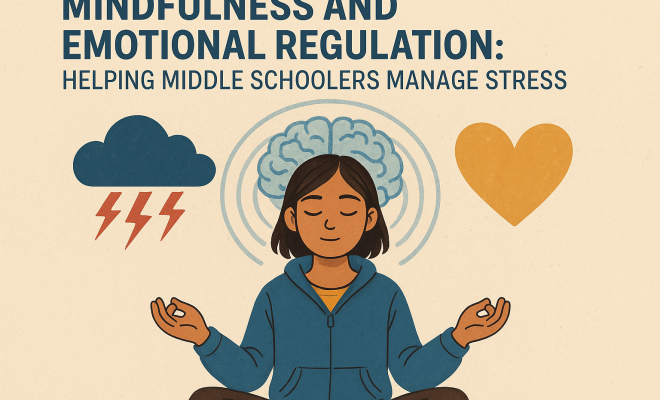
Understanding the significance of mindfulness for middle schoolers begins with recognizing the developmental stage they are in. During middle school, adolescents experience rapid brain development, which profoundly affects their emotional processing. The prefrontal cortex—responsible for decision-making, impulse control, and emotional regulation—continues to mature through these years. However, the emotional centers of the brain, such as the amygdala, can often dominate, leading to heightened feelings of stress and anxiety.
Research shows that mindfulness can help adolescents strengthen their prefrontal cortex, promoting better emotional regulation. A study published in Psychological Science found that adolescents who practiced mindfulness exhibited lower levels of anxiety and improved emotional stability. By fostering a mindful attitude, middle schoolers can develop resilience against stressors and improve their overall mental health.
What Is Mindfulness?
Mindfulness is the practice of being present and fully engaged in the moment, aware of one’s thoughts and feelings without judgment. It draws from ancient contemplative traditions, particularly Buddhism, but has been adapted to fit modern psychological practices. For middle schoolers, mindfulness offers tools to ground themselves in the present, reducing feelings of overwhelm.
Mindfulness can take various forms, including meditation, yoga, and simple breathing exercises. The underlying principle is to cultivate a non-reactive awareness that helps adolescents respond to stress more effectively rather than reacting impulsively. This shift in perspective can prove invaluable during the unpredictable and often chaotic middle school years.
Practical Mindfulness Strategies for Middle Schoolers
Implementing mindfulness for middle schoolers can seem daunting, but it doesn’t have to be complicated. Here are ten effective strategies that can easily be integrated into daily routines:
1. Mindful Breathing
One of the simplest yet most powerful mindfulness practices is mindful breathing. Encourage middle schoolers to take a few minutes each day to focus on their breath. They can sit comfortably, close their eyes, and inhale deeply through their nose, holding for a moment, and then exhaling slowly through their mouth. This practice can be particularly helpful during moments of stress, as it activates the relaxation response and calms the nervous system.
2. Body Scan Meditation
A body scan is a mindfulness technique that encourages individuals to focus on different parts of their body, promoting relaxation and awareness of physical sensations. Middle schoolers can lie down comfortably and mentally scan their body from head to toe, noting any areas of tension or discomfort. This practice can help them recognize how emotions manifest physically and teach them to release that tension.
3. Mindful Listening
This activity involves listening intently to sounds around them, whether it’s music, nature sounds, or even silence. Middle schoolers can close their eyes and try to identify different sounds, focusing on how each one feels. This exercise enhances their ability to concentrate and appreciate the present moment, fostering a sense of calm.
4. Gratitude Journaling
Keeping a gratitude journal can shift focus from stressors to positive aspects of life. Middle schoolers can take a few minutes daily to write down three things they are grateful for. This simple practice can improve their mood and help them cultivate a more positive outlook, especially during challenging times.
5. Nature Walks
Encouraging middle schoolers to spend time in nature can significantly impact their mental well-being. Nature walks allow them to engage their senses and observe their surroundings mindfully. They can pay attention to the colors, sounds, and smells of nature, promoting a sense of peace and connectedness. (See: study on mindfulness and adolescents.)
6. Mindful Movement
Activities like yoga or tai chi offer students a chance to integrate mindfulness with physical activity. By focusing on movements and breathing, middle schoolers can learn to respect their bodies and manage stress. Schools can incorporate mindfulness-based physical education programs, allowing students to explore these practices in a supportive environment.
7. Digital Detox
In an age dominated by screens, taking a break from digital devices can greatly enhance mindfulness. Encourage middle schoolers to set aside specific times each day to unplug from their phones, tablets, and computers. This digital detox allows them to engage more fully with their surroundings and provide a much-needed mental reset.
8. Guided Imagery
Guided imagery is a technique where individuals visualize a calming scene, such as a beach or forest. Middle schoolers can find a quiet space, close their eyes, and imagine themselves in a peaceful environment, focusing on the details of the scene. This practice can help them escape from stress and anxiety, fostering a sense of tranquility.
9. Mindfulness Apps
For tech-savvy middle schoolers, mindfulness apps can be a great resource. Apps like Headspace, Calm, and Insight Timer offer guided meditations, breathing exercises, and mindfulness challenges tailored for young people. These tools can make mindfulness accessible and engaging, encouraging kids to practice regularly.
10. Mindful Affirmations
Encouraging positive self-talk can significantly boost middle schoolers’ self-esteem and emotional health. Teach them to create mindful affirmations they can repeat daily, such as “I am enough,” or “I can handle whatever comes my way.” Repeating these affirmations can help shift negative thought patterns and promote resilience in the face of challenges.
Integrating Mindfulness into School Curricula
Schools play an essential role in promoting mindfulness for middle schoolers. By integrating mindfulness practices into the curriculum, educators can create an environment that supports emotional regulation and stress management. This can be achieved through various approaches:
- Dedicated Mindfulness Programs: Implementing specific programs that focus on mindfulness can provide students with structured learning experiences. These programs can include lessons on mindfulness techniques, emotional awareness, and stress management strategies.
- Mindfulness Breaks: Encouraging short mindfulness breaks throughout the day can help students reset and recharge. These breaks can involve simple breathing exercises or brief guided meditations to help students refocus their attention.
- Training for Educators: Providing training for teachers on mindfulness practices equips them with the tools to model and teach these skills effectively. Educators can also incorporate mindfulness into their teaching styles, creating a calmer classroom atmosphere.
Research supports the integration of mindfulness into school curricula. A study published in the Journal of Educational Psychology found that students who participated in mindfulness programs reported reduced stress and improved emotional regulation. Schools that prioritize mindfulness can foster a healthier learning environment, ultimately enhancing academic performance.
The Role of Parents in Promoting Mindfulness
Parents are crucial in helping their children develop mindfulness for middle schoolers. By modeling mindfulness practices and creating a supportive home environment, parents can reinforce what children learn at school. Here are some ways parents can promote mindfulness at home:
- Lead by Example: Parents can model mindfulness practices, such as mindful breathing or gratitude journaling, demonstrating that these skills are valuable for managing stress.
- Encourage Open Communication: Having regular conversations about feelings helps middle schoolers process their emotions. Discussing mindfulness techniques and how they help can also encourage kids to practice them regularly.
- Incorporate Mindfulness into Family Activities: Engaging in mindfulness activities as a family—like nature walks or yoga—can strengthen family bonds and promote emotional well-being.
Parent involvement plays a significant role in fostering mindfulness habits. When parents actively participate in mindfulness practices, children are more likely to embrace them.
Challenges to Practicing Mindfulness
While the benefits of mindfulness for middle schoolers are clear, several challenges may arise in implementing these practices. Understanding these obstacles can help educators and parents tailor their approaches to better support students.
- Resistance to New Practices: Some middle schoolers may resist mindfulness techniques, viewing them as unhelpful or boring. It’s essential to present mindfulness as a fun and engaging way to cope with stress.
- Time Constraints: Busy schedules filled with homework, extracurricular activities, and social obligations can make it difficult for students to find time for mindfulness practices. Encouraging short, manageable practices can help to overcome this barrier.
- Difficulty Focusing: Adolescents often struggle with maintaining focus. Techniques that incorporate movement or creative outlets can help them engage more effectively with mindfulness practices.
Addressing these challenges involves patience, creativity, and understanding. With support from parents and educators, middle schoolers can develop a positive relationship with mindfulness practices.
Current Relevance of Mindfulness in Education
The relevance of mindfulness in education has only grown in recent years, especially in light of the mental health crisis among adolescents. The COVID-19 pandemic has exacerbated feelings of isolation, anxiety, and uncertainty among young people, making the need for effective coping strategies more urgent than ever. Schools and parents alike are recognizing the importance of equipping middle schoolers with the tools to manage stress and regulate their emotions. (See: CDC resources on youth mental health.)
Mindfulness programs have gained traction in educational settings, with many schools adopting evidence-based practices to support student well-being. As mental health awareness continues to rise, the integration of mindfulness for middle schoolers is becoming a critical component of a holistic educational approach.
Mindfulness Techniques for Different Learning Styles
Not all middle schoolers learn the same way. Understanding different learning styles can enhance how mindfulness techniques are taught and adopted. Here are some tailored strategies:
- Visual Learners: For students who learn best through visual means, incorporating mindfulness activities like coloring mandalas or using visualization techniques during meditation can be effective. This engages their creativity and helps establish a calming routine.
- Auditory Learners: Those who thrive on sound may benefit from listening to guided meditations or mindfulness podcasts. Sharing calming music that resonates with their emotional state can also help create a peaceful environment conducive to mindfulness.
- Kinaesthetic Learners: Students who are more hands-on may find mindfulness through movement beneficial. Incorporating yoga, dance, or martial arts allows them to express themselves while practicing mindfulness through physical activity.
Benefits of Mindfulness Beyond the Classroom
The advantages of practicing mindfulness go far beyond academic settings. Middle schoolers who engage in mindfulness practices can experience various positive outcomes in their personal lives:
- Improved Relationships: Mindfulness helps adolescents become more attuned to their feelings and the emotions of others, fostering empathy and compassion. This can lead to healthier friendships and communication.
- Enhanced Focus and Concentration: Regular mindfulness practice can improve attention spans, allowing middle schoolers to concentrate better on homework and other tasks, thus positively impacting their academic performance.
- Better Emotional Regulation: With mindfulness, students learn to recognize their emotional triggers and develop healthier coping mechanisms, decreasing instances of conflict and emotional outbursts.
Expert Perspectives on Mindfulness for Middle Schoolers
Experts in psychology and education advocate for the integration of mindfulness into the lives of middle schoolers. Dr. Jon Kabat-Zinn, a pioneer in mindfulness research, emphasizes that mindfulness is not about eliminating stress but rather about learning how to respond to it. He notes that for adolescents, who often feel overwhelmed, mindfulness can provide them with the tools to navigate their emotional landscape effectively.
Dr. Linda, a child psychologist, points out that mindfulness helps students develop metacognition—the awareness of one’s own thought processes. This can significantly enhance their ability to reflect on their experiences, make thoughtful decisions, and engage in problem-solving.
Frequently Asked Questions (FAQ)
What age is appropriate for introducing mindfulness?
Mindfulness can be introduced as early as elementary school, but middle school is an ideal time for deeper exploration as children begin to face more complex emotional and social challenges.
How can I encourage my child to practice mindfulness?
Start by practicing mindfulness together. Engage in activities such as guided breathing exercises or nature walks. Use apps designed for children, and be patient with their progress, emphasizing the benefits they can experience.
Is mindfulness the same as meditation?
While mindfulness and meditation are related, they are not the same. Mindfulness refers to a state of being present and aware, whereas meditation is a specific practice often used to cultivate mindfulness.
Can mindfulness improve academic performance?
Yes! Research shows that mindfulness can enhance focus and concentration, reduce test anxiety, and promote better emotional regulation, all contributing to improved academic performance.
How long does it take to see the benefits of mindfulness?
The benefits of mindfulness can vary from person to person. Some may experience immediate effects, while others may take weeks of consistent practice to notice significant changes. Regular practice is key to gaining the benefits.
The Role of Mindfulness in Preventing Bullying
Bullying is a significant issue in middle schools, often impacting students’ mental health and overall well-being. Mindfulness for middle schoolers can play a pivotal role in creating a more compassionate school environment. By fostering empathy and emotional regulation, mindfulness helps students understand their own feelings and those of their peers. When students practice mindfulness, they are less likely to react impulsively in social situations, reducing the likelihood of bullying behavior.
Programs that teach mindfulness can encourage bystanders to take action when they witness bullying, promoting a culture of support rather than silence. Schools that incorporate mindfulness into their anti-bullying initiatives often see a decrease in bullying incidents and an increase in student engagement and community. This holistic approach empowers students to be more aware of their actions and fosters a supportive school culture.
Mindfulness and Stress Management Techniques
Middle schoolers are often under considerable stress from various sources, including academic pressure, social dynamics, and family expectations. Teaching them effective stress management techniques through mindfulness can make a significant difference. One effective approach is the practice of “noting,” where students learn to acknowledge their thoughts and feelings without judgment. For instance, if a student feels anxious about a test, they can acknowledge the feeling (“I feel anxious”) without letting it overwhelm them.
Another helpful technique is the “5-4-3-2-1 Exercise,” which helps ground students in the present moment. They identify:
- 5 things they can see
- 4 things they can feel
- 3 things they can hear
- 2 things they can smell
- 1 thing they can taste
This exercise not only promotes mindfulness but also helps students manage their stress levels by redirecting their focus from anxiety-inducing thoughts to sensory experiences.
Mindfulness as a Tool for Emotional Intelligence
Developing emotional intelligence is crucial for middle schoolers as they begin to navigate complex social relationships. Mindfulness practices can enhance emotional intelligence by teaching students to identify and understand their emotions and the emotions of others. Activities that involve role-playing or discussing various emotional scenarios can help students practice empathy and improve their emotional responses. For instance, after watching a video, students can discuss characters’ emotions and how they would feel in similar situations.
By promoting emotional awareness through mindfulness, middle schoolers are better equipped to handle interpersonal conflicts, communicate effectively, and build stronger relationships. This not only benefits their social interactions but also fosters a more inclusive school environment.
Conclusion
Mindfulness for middle schoolers is not just a trend; it’s a vital skill that can help adolescents navigate the complexities of their developmental stage. By implementing practical mindfulness strategies and fostering a supportive environment at home and school, we can empower middle schoolers to manage stress, regulate their emotions, and enhance their overall well-being. As we continue to face new challenges in education and mental health, the value of mindfulness will only increase, offering hope and resilience to the next generation.
“`
Trending Now
Frequently Asked Questions
What is the importance of mindfulness for middle schoolers?
Mindfulness is crucial for middle schoolers as it helps them navigate the emotional challenges of adolescence. It enhances their emotional regulation by strengthening the prefrontal cortex, which aids in decision-making and impulse control, ultimately reducing anxiety and promoting resilience.
How can mindfulness help with emotional regulation in adolescents?
Mindfulness helps adolescents manage their emotions by promoting awareness of their thoughts and feelings. It encourages non-judgmental observation, which can lead to improved emotional stability and reduced stress, making it easier for them to cope with the pressures of middle school.
What are some mindfulness techniques for middle school students?
Some effective mindfulness techniques for middle school students include deep breathing exercises, guided imagery, and mindful walking. These practices help them focus on the present moment and cultivate a sense of calm, which can significantly reduce stress and anxiety.
How can schools implement mindfulness practices?
Schools can implement mindfulness practices by incorporating short mindfulness sessions into the daily schedule, offering mindfulness workshops, and training teachers to facilitate mindfulness activities. This creates a supportive environment that promotes emotional well-being among students.
What role do parents play in promoting mindfulness?
Parents can promote mindfulness by practicing it at home, encouraging their children to engage in mindfulness activities, and modeling mindful behavior. Open discussions about emotions and stress can also help reinforce the importance of mindfulness in managing challenges.
Agree or disagree? Drop a comment and tell us what you think.