6 Ways Teachers Can Welcome Immigrant Students & Families

Welcoming Immigrant Students and Their Families: Strategies for Teachers
Introduction: Embracing Diversity in the Classroom
In today’s increasingly globalized society, classrooms are becoming more diverse and multicultural. As immigrant students and their families join schools, it is essential for educators to create an inclusive and welcoming environment. These students bring unique perspectives, experiences, and strengths that enrich the learning community. However, they may also face challenges in adjusting to a new culture and education system. This article explores six effective ways teachers can welcome immigrant students and their families, fostering a sense of belonging and support.
Building Relationships: Establishing Trust and Communication
One of the most important ways teachers can welcome immigrant students and their families is by building strong, trusting relationships. Establishing open lines of communication is critical in making families feel valued and included.
Creating a Welcoming Atmosphere: Physical and Emotional Spaces
To foster an environment of inclusivity, teachers can create a welcoming classroom atmosphere. This involves not only the physical environment but also the emotional climate. Teachers can display multicultural decorations, educational materials in multiple languages, and visual representations of diverse cultures.
Additionally, teachers should strive to learn a few basic phrases in the primary languages of their immigrant students. This small gesture can significantly enhance communication and make students and families feel more comfortable. It shows that the teacher respects their culture and is willing to make an effort to connect.
Engaging Families: Involving Parents and Guardians
Engaging immigrant families in their children’s education is crucial for building a welcoming school community. Teachers can host informational meetings and workshops that cater to the needs of immigrant families. These events can cover topics such as understanding the school system, academic expectations, and available resources.
Moreover, providing translation services during these meetings ensures that language barriers do not hinder participation. Creating a family liaison position within the school can also bridge the gap between educators and immigrant families, making it easier for families to seek assistance and stay informed.
Culturally Responsive Teaching: Incorporating Diverse Perspectives
Culturally responsive teaching is an essential practice for welcoming immigrant students. This approach involves recognizing and valuing students’ cultural backgrounds while incorporating them into the curriculum. Teachers can include literature, history, and current events from various cultures, providing students with a sense of identity and belonging.
Moreover, encouraging students to share their cultural traditions, languages, and experiences in class discussions can enhance peer understanding and foster a spirit of community. By doing so, teachers not only validate the immigrant students’ identities but also educate their peers, promoting empathy and respect for diversity.
Peer Support Programs: Fostering Connections Among Students
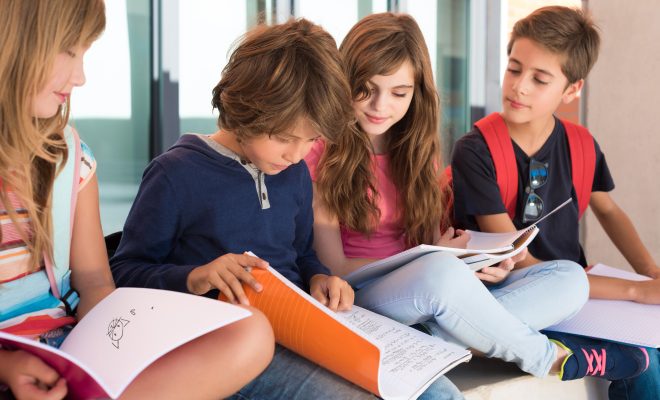
Establishing peer support programs can significantly benefit immigrant students as they adjust to a new environment. Pairing new immigrant students with established students can help ease the transition. This buddy system allows newcomers to have a familiar face in the school, someone who can answer questions, provide guidance, and offer friendship.
Teachers can facilitate social activities, such as cultural exchange events or collaborative projects, to encourage interaction among students. These opportunities promote bonding and help immigrant students feel more integrated into their new school community.
Professional Development: Training Educators on Inclusivity
For teachers to effectively support immigrant students and their families, ongoing professional development is essential. Schools should provide training sessions to equip educators with the knowledge and skills to address the unique challenges faced by immigrant students. Topics may include cultural competency, trauma-informed practices, and strategies for teaching English language learners.
By investing in professional development, schools demonstrate their commitment to inclusivity and ensure that all educators are prepared to meet the diverse needs of their students.
Celebrating Diversity: Acknowledging Cultural Contributions
Celebrating the diverse cultural backgrounds of immigrant students and their families is a powerful way to foster a welcoming environment. Schools can organize cultural fairs, international days, or themed weeks that highlight various cultures represented in the student body. These events allow students and families to share their traditions, foods, music, and art with the wider school community.
Additionally, recognizing significant cultural holidays and events in the school calendar helps immigrant families feel respected and valued. By celebrating diversity, schools can create a sense of pride and belonging among all students, reinforcing the idea that every culture contributes to the richness of the educational experience.
Conclusion: Embracing Diversity in Education
In conclusion, welcoming immigrant students and their families requires intentional actions and a commitment to fostering an inclusive environment. By building relationships, providing language support, celebrating cultural diversity, connecting families with resources, advocating for inclusive policies, and establishing feedback mechanisms, teachers can create a more supportive and enriching educational experience. Ultimately, these efforts not only benefit immigrant families but also enhance the learning environment for all students, promoting a culture of empathy and understanding within the school community.