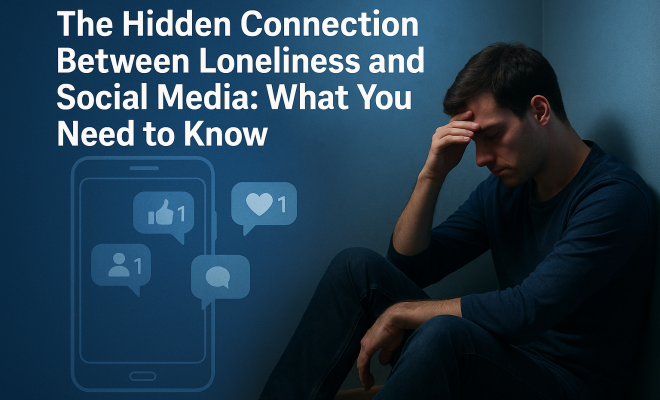
The Hidden Connection Between Loneliness and Social Media: What You Need to Know
“`html
In our increasingly digital world, the relationship between loneliness and social media has become a pressing concern for both researchers and everyday users alike. As we scroll through our feeds and browse updates from friends and acquaintances, we may feel more connected than ever. Yet, paradoxically, many individuals report feelings of loneliness and isolation. This raises some critical questions: How does social media contribute to these feelings? Are there specific ways in which it can enhance or alleviate loneliness? Recent research sheds light on these issues, offering insights that are both surprising and crucial for everyone who engages with social platforms.
The Complexity of Social Media Interactions
Social media has transformed the way we communicate. Platforms like Facebook, Twitter, Instagram, and Snapchat allow us to connect with others at any moment, regardless of geographical boundaries. However, the nature of these interactions plays a significant role in determining their emotional impact. A recent review highlighted the distinction between active and passive social media use, revealing that how we engage with these platforms can widely affect our mental health.
Active social media use involves participating in conversations, sharing personal content, and engaging with others in meaningful ways. Conversely, passive use consists of scrolling through feeds, viewing others’ posts, and consuming content without interaction. Interestingly, the review found a particularly strong association between passive use of social media and heightened feelings of loneliness. This insight raises a critical point: the mere act of using social media does not equate to genuine social connection.
The Passive Consumption Trap
Passive consumption can lead users down a troubling path. When individuals spend extended periods passively absorbing what others share without engaging, it can foster a sense of isolation. Users might find themselves comparing their lives to the curated highlights they see online, leading to feelings of inadequacy and loneliness. When you see friends enjoying vacations or achieving milestones, it’s easy to feel as if you’re missing out.
One study stated that individuals who primarily engage in passive social media use report increased feelings of loneliness over time. The more you scroll without meaningful interaction, the more disconnected you might feel from your peers. This behavior can become a vicious cycle: the more lonely one feels, the more likely they may retreat into passive social media consumption, which in turn exacerbates those feelings.
The Role of Engagement
On the flip side, active engagement on social media can provide a sense of belonging and connection. Engaging with friends’ posts, commenting on shared experiences, and sending direct messages can foster community and support. When individuals actively participate, they are more likely to feel connected to others, reducing feelings of loneliness.
For instance, one study showed that individuals who frequently communicated with friends via social media reported lower levels of loneliness compared to their peers who primarily consumed content passively. By reaching out, sharing experiences, and supporting one another online, users can create a virtual support system that often translates into real-world connections.
Demographics and Loneliness
Lurking behind the statistics about loneliness and social media is the demographic aspect. Research indicates that younger users, particularly teenagers and young adults, are more susceptible to the negative impacts of passive social media use compared to older adults. In a world where digital presence is often tied to personal identity, the pressure to maintain an image can translate into feelings of inadequacy and isolation.
Moreover, many individuals in younger demographics use social media as a primary means of communication. This reliance can exacerbate feelings of loneliness when the interactions lack depth or when users feel they are missing out on real-life experiences. As parents and educators, it’s vital to understand how these digital interactions affect young people’s mental health.
The Emotional Cost of Online Comparisons
Social media platforms present a curated version of life, often highlighting achievements, relationships, and experiences that can lead to a dangerous cycle of comparison. Individuals might look at others’ posts and think, “Why don’t I have that?” or “I should be doing better.” Such thoughts can lead to feelings of inadequacy and contribute to loneliness. The constant barrage of seemingly perfect lives can distort reality, making users feel even more isolated when they don’t measure up. (See: research on social media and loneliness.)
In fact, the review pointed out that those who frequently compare themselves to others on social media are at a higher risk for experiencing loneliness. This phenomenon is often referred to as “social comparison theory,” where individuals determine their own social worth based on how they stack up against others. When friends and family appear to lead fantastic lives online, it can create a painful disconnect between one’s reality and the perceived happiness of those around them.
Strategies for Healthier Social Media Use
Given the complex relationship between loneliness and social media, it’s essential to develop strategies for healthier engagement. Here are some actionable tips:
- Limit Passive Scrolling: Set time limits for social media use and consciously engage with the content you consume. Aim for interactions that involve commenting, sharing, or messaging.
- Curate Your Feed: Follow accounts that uplift and inspire you. Unfollow or mute those that lead to feelings of inadequacy or negativity.
- Make Real-World Connections: Use social media as a tool to arrange in-person meetups, fostering deeper relationships that transcend the digital realm.
- Practice Mindfulness: Pay attention to how social media makes you feel. If you notice that your mood drops after scrolling, take a break and check in with yourself.
The Impact of Current Events
In the wake of global events like the COVID-19 pandemic, the conversation around loneliness and social media has taken on new dimensions. As people turned to online platforms to maintain connections during lockdowns, the dual nature of social media became even more pronounced. While some found solace in virtual interactions, others faced heightened loneliness when they found those interactions lacking.
The pandemic prompted many to reflect on their social media habits, leading to a broader understanding of how these platforms can both connect and isolate. During this time, studies indicated that loneliness surged across various demographics, prompting experts to advocate for healthier online behaviors.
Expert Opinions on Loneliness and Social Media
Experts in psychology and social behavior stress the importance of understanding the nuances of social media use. Dr. Amy Orben, a psychologist who studies the effects of digital technology on mental health, emphasizes that it’s not the technology itself that’s harmful but rather how we use it. She encourages individuals to reflect on their social media habits and prioritize meaningful connections over passive consumption.
Moreover, Dr. Julianne Holt-Lunstad, a psychologist known for her research on social relationships and health, argues that the quality of social interactions matters more than the quantity. Her work suggests that fostering genuine connections, whether online or offline, is essential for improving mental health and reducing feelings of loneliness.
Redefining Social Media’s Role
Ultimately, the challenge lies in redefining how we perceive and use social media. It’s crucial to understand that platforms can serve as tools for connection rather than replacements for real-world interactions. By engaging more actively and consciously, users can mitigate feelings of loneliness and foster a greater sense of community.
As researchers continue to uncover the complexities of the relationship between loneliness and social media, it’s clear that awareness and intentionality are vital. Users have the power to shape their experiences and can choose to engage in ways that promote connection and reduce feelings of isolation.
Understanding Loneliness in Different Cultures
Loneliness isn’t just a personal emotion; it varies significantly across cultures. For instance, in collectivist cultures, where community and family ties are emphasized, the experience of loneliness may not be as pronounced. Research indicates that people from such backgrounds often rely more on face-to-face interaction and place a higher value on communal support systems. This contrasts sharply with individualistic cultures, where personal achievement and self-sufficiency are prioritized, potentially leading to increased feelings of loneliness when social media fails to deliver genuine connection.
In many Asian cultures, for instance, social media is often used to maintain familial relationships across distances, which can mitigate feelings of loneliness. In contrast, Western cultures may experience a disconnect when interactions become superficial, emphasizing the need for deeper connections. Understanding these cultural nuances is vital when exploring how loneliness and social media intersect globally. (See: BBC report on social media's impact.)
Statistics on Loneliness and Social Media Use
To get a clearer picture of the relationship between loneliness and social media, consider these telling statistics: A study by the Pew Research Center found that nearly 30% of adults aged 18-29 reported feeling lonely often or sometimes. This aligns with data showing that younger users are more prone to experiencing negative feelings from social media usage. Additionally, a report from the UK’s Office for National Statistics noted that young adults are the most likely to feel lonely, with around 40% of those aged 16-29 stating they often feel lonely.
Furthermore, a comprehensive survey published in the American Journal of Preventive Medicine found that individuals who reported high levels of both social media use and loneliness experienced a 1.6 times higher likelihood of feeling isolated than their peers who used social media less frequently. These figures underscore the need for a nuanced understanding of how social media can influence emotional well-being, especially among younger demographics.
Comparing Social Media Platforms
Not all social media platforms foster loneliness in the same way. For instance, platforms like Facebook and Instagram, which emphasize visual content and personal achievements, may lead to more comparison and feelings of inadequacy. In contrast, platforms like Reddit or Twitter, which often facilitate discussions and community-building around shared interests, can provide a sense of belonging.
Research has shown that users who engage in communities on platforms like Reddit often report feeling more connected due to the shared interests and the interaction level within these groups. Even groups dedicated to specific hobbies or topics can help mitigate feelings of loneliness by creating a sense of community and shared purpose.
FAQ: Loneliness and Social Media
What are the main causes of loneliness in social media users?
The primary causes include passive consumption, social comparison, lack of meaningful interactions, and the pressure to maintain a curated online presence. When users primarily scroll through feeds without engaging or feel inadequate compared to their peers, loneliness can arise.
How can I tell if social media is making me feel more lonely?
If you notice a drop in your mood after spending time online or if you frequently feel inadequate while comparing your life to others, these are signs that social media may be contributing to your loneliness. Be mindful of your emotions during and after your social media sessions.
Are there specific times when social media can help with loneliness?
Yes! Using social media to reconnect with old friends during significant life events or seeking out support during tough times can help mitigate feelings of loneliness. Engaging in online communities around shared interests can also provide connection and support.
Can social media have positive effects on loneliness?
Absolutely! When used actively, social media can enhance connections, foster new friendships, and provide platforms for community support. It can also serve as a valuable tool for maintaining long-distance relationships and finding like-minded individuals.
What can I do if I feel lonely despite using social media?
If you’re feeling lonely despite your online interactions, consider taking a break from social media and focusing on real-life connections. Engage in hobbies, reach out to friends for face-to-face meetups, or seek support from mental health professionals if needed.
Understanding the Psychological Mechanisms
It’s essential to delve deeper into the psychological mechanisms that link loneliness and social media. The concept of “social compensation” comes into play, where individuals who feel socially isolated may seek out online interactions in hopes of finding acceptance and connection. However, this approach can backfire, leading to a greater sense of loneliness when online interactions don’t meet expectations or lack authenticity.
Additionally, the phenomenon of “digital self-presentation” plays a crucial role. Users often curate their online personas to present an idealized version of their lives. This selective sharing can create a skewed perception of reality, leading others to feel inadequate when comparing their lives to these highlights. As a result, when social media fails to provide the validation users seek, it can exacerbate feelings of loneliness and isolation.
Case Studies and Personal Anecdotes
Real-life examples highlight the diverse experiences with loneliness and social media. Take the story of Jessica, a college student who found herself feeling increasingly lonely during her first year. While she was active on platforms like Instagram and Snapchat, she realized that her interactions were mostly superficial. This led her to embark on a journey of self-discovery, where she focused on building deeper connections with a few close friends rather than engaging with a large audience.
Similarly, Martin, a young professional, initially turned to social media for connection after moving to a new city. He experienced an initial high from gaining followers and likes but soon found himself feeling more isolated when he compared his everyday life to the seemingly perfect lives of others online. By joining local community groups and attending meetups, he was able to shift his focus from online validation to real-world relationships, which greatly improved his overall well-being.
The Future of Social Media and Loneliness
As social media continues to evolve, understanding its impact on loneliness will be crucial. Innovations like virtual reality and augmented reality might provide new avenues for connection. However, these technologies also come with their own risks and can deepen the divide if not used mindfully. Platforms that prioritize authenticity and mental health literacy may emerge as more appealing options for users seeking meaningful connections.
Furthermore, ongoing discussions about digital well-being are essential. Social media companies are beginning to recognize their role in users’ mental health and are implementing features aimed at promoting healthier interactions, such as reminders to take breaks or tools to manage screen time. The future landscape will likely depend on how users respond to these changes and whether they can strike a balance between online engagement and real-world connections.
Final Thoughts
The interplay between loneliness and social media is intricate and multifaceted. While these platforms offer unprecedented opportunities for connection, they also come with challenges that can exacerbate feelings of isolation. As we navigate the digital landscape, it’s essential to approach social media mindfully, recognizing its potential to either connect us or leave us feeling more alone. By fostering active engagement, encouraging authentic relationships, and being aware of our habits, we can create a healthier relationship with technology and ultimately reduce feelings of loneliness.
“`
Trending Now
- the complete explanation
- this guide on understanding why adhd students face challenges in pragmatic language skills
- this guide on unlocking social skills: how role-play transforms social pragmatics in middle school
- our breakdown of empowering young minds: 9 ways to enhance pragmatic language development in preschool
- read the full story
Frequently Asked Questions
How does social media affect loneliness?
Social media can both enhance and alleviate feelings of loneliness. While it provides opportunities for connection, passive use—such as scrolling without engaging—has been linked to increased loneliness. Active participation, on the other hand, can foster genuine connections and reduce feelings of isolation.
What is the difference between active and passive social media use?
Active social media use involves engaging with others through conversations and sharing personal content, while passive use refers to merely scrolling through feeds and consuming content without interaction. Research indicates that passive use is more strongly associated with feelings of loneliness.
Can social media lead to isolation?
Yes, excessive passive consumption of social media can lead to feelings of isolation. When users spend significant time absorbing content without engaging, they may feel disconnected from others, which can exacerbate loneliness.
What are the emotional impacts of social media?
The emotional impacts of social media vary based on how users engage with it. Active interactions can promote a sense of belonging and reduce loneliness, whereas passive use can lead to negative feelings and increased isolation.
What can be done to reduce loneliness on social media?
To reduce loneliness, users should focus on active engagement on social media, such as participating in discussions, sharing personal experiences, and connecting meaningfully with others, rather than just passively consuming content.
What did we miss? Let us know in the comments and join the conversation.