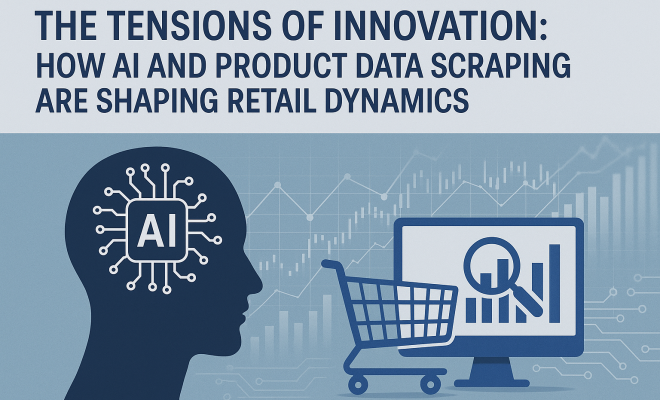
The Tensions of Innovation: How AI and Product Data Scraping Are Shaping Retail Dynamics
“`html
The retail landscape is undergoing a seismic shift, driven by the rise of AI-powered shopping platforms that leverage product data scraping as their primary method for gathering information. As this trend unfolds, a complex conflict emerges between startups that rely on automated data collection and traditional retailers who seek to control their digital information. This article dives deep into this burgeoning clash, exploring the implications for stakeholders across the spectrum—from founders and retailers to consumers.
Understanding Product Data Scraping
At its core, product data scraping refers to the process of extracting data from websites, typically to gather information about products, prices, and availability. This technique has gained significant traction as businesses seek to optimize their operations and improve customer experiences. While web scraping isn’t new, the advent of AI technology has fueled its evolution, allowing startups to automate the collection of vast amounts of data at an unprecedented scale.
The rise of these platforms has ushered in a new era of product discovery. Consumers can now receive alerts about price drops or stock updates in real time, enabling them to make informed purchasing decisions. However, this convenience comes at a cost, suggesting a precarious balance between innovation and ethical considerations in data usage.
The Emergence of AI Shopping Platforms
One startup making waves in this arena is The Mall, an AI shopping platform designed to revolutionize the way consumers interact with retail. The Mall employs product data scraping to aggregate entire catalogs from various retailers, effectively creating a one-stop-shop experience. By tracking pricing trends, restocks, and promotional events, the platform can deliver timely push alerts directly to users.
As The Mall and similar platforms continue to grow, they capitalize on the limitations of traditional retail methods. Many retailers remain hesitant to share their data through partnerships or APIs, often viewing this information as a proprietary asset. Consequently, startups have turned to scraping as a workaround, raising questions about the legality and ethics of such practices.
The Clash of Control and Innovation
The conflict between retailers and startups relying on product data scraping highlights a fundamental tension in the modern economy. On one side, retailers argue that they should maintain control over their product data, asserting that their information is a valuable business asset. On the other, startups contend that their scraping methods simply democratize access to information, ultimately benefiting consumers.
According to industry experts, this clash could have significant implications for the future of e-commerce. If retailers successfully impose restrictions on data scraping, it could hinder the innovation that has characterized the sector in recent years. Conversely, if startups are allowed to continue their scraping practices unimpeded, it could lead to a destabilization of the retail ecosystem.
Legal and Ethical Considerations
The legality of product data scraping is a gray area, with ongoing debates about intellectual property rights and fair use. Several high-profile legal battles have arisen over data scraping, with companies like LinkedIn and eBay taking action against platforms that scrape their data without permission. These cases often hinge on whether the scraped data can be classified as proprietary or whether it falls under the public domain.
In addition to legal ramifications, there are ethical considerations at play. For instance, when platforms scrape data from retailers, they might inadvertently undermine those retailers’ pricing strategies or marketing efforts. The question then becomes: Does scraping contribute to a more competitive market, or does it erode the competitive advantages of established retailers?
Consumer Perspectives: The Benefits and Risks
From a consumer standpoint, the rise of AI shopping platforms and product data scraping holds both promise and peril. On one hand, consumers benefit from the ability to receive instant alerts about product availability and pricing changes, which can lead to significant savings. For instance, in a recent survey, over 70% of respondents stated they appreciate the convenience of price alert features.
However, there are risks involved as well. As these platforms grow, there’s a potential for misinformation or inaccuracies in the data being scraped. If a platform provides incorrect pricing information, it could lead consumers to make ill-informed purchases. Additionally, reliance on automated scraping can sometimes mean that smaller retailers are left out of the mix, as larger players dominate the datasets. (See: Understanding web scraping techniques.)
The Role of Retailers in the New Landscape
In response to the surge of AI platforms leveraging product data scraping, retailers must adapt to the new landscape. Some are beginning to embrace the technology, viewing it as an opportunity to enhance their own offerings. For example, retailers can implement their own data scraping systems to analyze competitor pricing and stock levels, ensuring they remain competitive.
Moreover, retailers can also explore partnerships with AI platforms that respect their data rights. By collaborating with startups, they can find mutually beneficial solutions that allow for data sharing while protecting their interests. This approach not only fosters innovation but also addresses some of the concerns surrounding data scraping practices.
Successful Strategies for Startups
For startups in the AI shopping space, developing a successful strategy involves balancing innovation with respect for retailer data. Here are some actionable strategies:
- Transparent Data Practices: Startups should establish clear guidelines regarding data usage, ensuring that they operate within legal boundaries and ethical standards.
- Engagement with Retailers: Building relationships with retailers can lead to collaborative opportunities, allowing startups to gain access to data through partnerships rather than scraping.
- Focus on Consumer Experience: Prioritizing user experience can help distinguish a platform in a crowded market. By offering unique features that enhance product discovery, startups can create loyal customer bases.
- Invest in Technology: Utilizing advanced AI tools can not only enhance scraping efficiency but also improve data accuracy, reducing the risks associated with misinformation.
The Future of Product Data Scraping
As the market continues to evolve, the future of product data scraping remains uncertain. The ongoing tension between innovation and control will likely shape the direction of retail technology in the coming years. As AI platforms become more sophisticated, they may find new ways to collaborate with retailers, potentially creating a more equitable ecosystem.
However, the legal landscape surrounding data scraping is also poised for change. With more cases entering the courts, there’s the potential for new precedents to be established that could either empower or restrict scraping practices. Industry stakeholders should stay informed of these developments to adapt their strategies accordingly.
Conclusion: A Call for Balance
In this precarious moment for platforms built on product data scraping, the need for balance is paramount. Startups must find ways to innovate while respecting the rights of retailers, ensuring that all players in the ecosystem can thrive. As the lines between data access and ownership continue to blur, collaborative solutions may pave the way for a more sustainable approach to e-commerce.
Ultimately, the future of retail may depend on how well startups and retailers can navigate this complex landscape, forging partnerships that prioritize consumer needs while protecting proprietary interests. As we move forward, the retail industry will undoubtedly transform, driven by the dual forces of AI innovation and the ongoing evolution of data practices.
Key Technologies in Product Data Scraping
To comprehend the mechanics of product data scraping, understanding the technologies involved is essential. Various tools and programming languages facilitate scraping, including Python, Beautiful Soup, and Scrapy. These technologies enable developers to write scripts that can efficiently collect and structure data from websites. For instance, Python is particularly popular due to its simplicity and the availability of libraries designed specifically for web scraping.
Additionally, cloud-based scraping services have emerged, allowing businesses to access scalable scraping solutions without investing heavily in infrastructure. These services often include advanced features such as IP rotation to prevent blocking by target sites, making them a preferred choice for startups looking to optimize their operations while minimizing legal risks.
Real-World Applications of Product Data Scraping
Beyond the theoretical aspects, the practicality of product data scraping shines through in real-world applications. Retailers can use scraped data to gain insights into market trends, consumer preferences, and competitor pricing strategies. For example, an online clothing retailer might scrape data from various fashion sites to gauge which styles are trending, allowing them to adjust their inventory accordingly.
Moreover, consumer comparison sites rely heavily on scraping to provide users with the best deals across multiple platforms. These sites can present users with a comprehensive view of product prices, availability, and features, enhancing the overall shopping experience. In a recent report, these comparison tools have been credited with saving consumers an average of 20% on their purchases, highlighting the tangible benefits of scraping technology.
Challenges Faced by Startups
While the potential of product data scraping is immense, startups often face significant challenges. One major hurdle is the legal landscape, which can vary dramatically by region and industry. For instance, scraping e-commerce sites might be treated differently than scraping social media platforms. Startups must navigate these complexities to avoid legal repercussions, which could include lawsuits or financial penalties. (See: Ethical considerations in data usage.)
Another challenge is the technical limitations imposed by websites. Many sites use anti-scraping technologies, such as CAPTCHA systems or dynamic loading techniques, to protect their data. Startups need to invest in sophisticated solutions to counter these defenses, which can increase operational costs. For instance, some may need to employ machine learning algorithms to bypass such barriers, further complicating their approach to data collection.
Market Trends Influencing Product Data Scraping
The landscape of product data scraping is continuously evolving, influenced by broader market trends. The rise of e-commerce has accelerated the demand for accurate and up-to-date product information, pushing startups to innovate. Additionally, as consumers become more tech-savvy, they expect seamless integration of data across platforms, which puts pressure on startups to provide reliable and timely data.
Another trend is the increasing focus on sustainability and ethical practices among consumers. As awareness of data privacy issues grows, customers are more likely to support businesses that demonstrate transparency in their data practices. Startups that prioritize ethical data scraping approaches and work collaboratively with retailers may find themselves better positioned in the market.
Frequently Asked Questions (FAQs)
What is product data scraping?
Product data scraping is the process of automatically extracting product information, such as prices, descriptions, and availability, from various online retailers’ websites.
Is product data scraping legal?
The legality of product data scraping can vary based on jurisdiction and specific website terms of service. While some scraping activities may be permissible under fair use, others could lead to legal disputes. It’s vital to consult legal experts or conduct thorough research before engaging in scraping activities.
How do startups use product data scraping?
Startups use product data scraping to gather competitive intelligence, monitor market trends, and enhance consumer experiences by providing comprehensive product comparisons and price alerts.
What are the risks associated with product data scraping?
Risks include potential legal repercussions from violating terms of service, challenges in ensuring data accuracy, and the possibility of being blocked by websites employing anti-scraping measures.
How can retailers protect their data from being scraped?
Retailers can implement measures such as CAPTCHA, IP blocking, and user behavior tracking to deter scrapers. They can also consider establishing partnerships with data aggregators or using APIs that allow data sharing under controlled conditions.
What technologies are best for product data scraping?
Popular technologies include programming languages like Python, along with libraries such as Beautiful Soup and Scrapy. Cloud-based scraping services also provide scalable solutions for data extraction.
What is the future of product data scraping?
The future of product data scraping will likely see more collaborations between retailers and startups, advancements in AI technology for accurate data collection, and evolving legal frameworks that clarify the rights to data access. (See: AI's impact on retail innovation.)
Expert Insights on the Future of Product Data Scraping
Industry experts believe that the future of product data scraping will be marked by increased regulation and a focus on ethical data practices. According to Dr. Emily Carter, an e-commerce strategist, “The key will be finding a balance between innovation and ethical data use. Those who succeed will create frameworks that benefit both consumers and retailers.”
Furthermore, as consumer privacy becomes a greater concern, startups may need to adopt more robust data protection practices. This shift could include anonymizing data or obtaining explicit consent from users before scraping personal information. Such measures could help build trust between consumers and platforms, ultimately benefiting all involved.
Real-Life Success Stories
Several startups have already found success by implementing innovative product data scraping solutions. For instance, PriceSpider, a price tracking tool, scrapes data from thousands of retailers to inform consumers about price trends and product availability. By focusing on accuracy and reliability, PriceSpider has built a reputation as a trusted source, gaining partnerships with major retailers and brands alike.
Another example is Honey, a browser extension that helps consumers find the best prices. Honey uses product data scraping to gather information about discounts and price histories from various online retailers, helping users make informed purchasing decisions. Acquired by PayPal for over $4 billion, Honey illustrates how effective scraping can lead to significant business success.
Comparative Analysis: Product Data Scraping vs. API Integration
When considering data collection methods, startups often face a choice between product data scraping and API integration. While APIs provide a legitimate and often simpler way to obtain data, they come with limitations, such as restricted access and potential costs associated with usage.
Scraping offers greater flexibility and access to a broader range of data sources, often allowing startups to gather insights from competitors not available through APIs. However, scraping also carries increased legal risks and the potential for data inaccuracies. Startups must weigh these pros and cons carefully when choosing their data collection strategy.
The Growing Importance of Data Analysis
As product data scraping becomes more prevalent, the need for effective data analysis tools grows. Businesses must not only scrape data but also analyze it effectively to derive actionable insights. Integrating data analytics platforms with scraped data can help startups uncover trends and consumer behaviors that drive business decisions.
Tools like Google Analytics, Tableau, and Power BI can aid in visualizing data, allowing startups to translate raw information into strategic insights. By leveraging these tools, companies can make informed decisions about pricing strategies, product launches, and marketing campaigns, enhancing their competitive edge in the market.
“`
Trending Now
- Understanding How ADHD Impacts Emotional Regulation in Young Learners
- this guide on essential adhd accommodations for high school students: more than just extra time
- our breakdown of unlocking potential: how adhd mindfulness interventions are transforming schools
Frequently Asked Questions
What is product data scraping in retail?
Product data scraping is the process of extracting information from websites to gather details about products, prices, and availability. This technique has become prevalent in retail as businesses utilize it to enhance operations and improve customer experience, especially with the integration of AI technology.
How is AI changing the retail landscape?
AI is transforming the retail landscape by enabling automated data collection through product data scraping. This allows startups to gather extensive product information, enhancing consumer experiences with real-time alerts on price drops and stock updates, ultimately changing how consumers shop.
What are the ethical concerns of data scraping?
The rise of data scraping raises ethical concerns regarding the control of digital information by traditional retailers. While it enhances consumer convenience, there are issues related to privacy, ownership of data, and the potential for misuse, prompting discussions on responsible data usage.
What is The Mall AI shopping platform?
The Mall is an innovative AI shopping platform that aggregates product catalogs from various retailers using product data scraping. It provides a comprehensive shopping experience by tracking pricing trends and sending timely alerts to users about restocks and promotions.
How does product data scraping benefit consumers?
Product data scraping benefits consumers by providing them with timely information about product availability, pricing changes, and promotions. This empowers shoppers to make informed purchasing decisions and enhances their overall shopping experience through real-time updates.
What’s your take on this? Share your thoughts in the comments below — we read every one.