AI in Mental Health: Bridging Treatment Gaps & Transforming Care
“`html
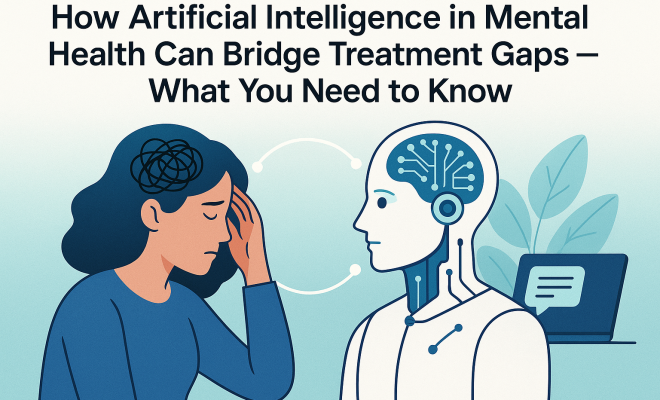
The rise of artificial intelligence in mental health has opened up numerous discussions around its potential to transform the way we approach mental health care. In a time where traditional services often face challenges such as accessibility, stigma, and insufficient resources, AI offers a promising alternative that could fill critical gaps in treatment. Recent studies, including one focused on public adoption of AI-based tele-mental health services in Saudi Arabia, shed light on the factors that influence how people perceive and engage with these technologies.
The Mental Health Treatment Gap
Mental health disorders are a leading cause of disability worldwide, with millions of people suffering from conditions such as depression, anxiety, and PTSD. The World Health Organization (WHO) estimates that over 264 million people worldwide suffer from depression alone. Unfortunately, despite the prevalence of these disorders, access to effective treatment remains a significant challenge. Factors such as cost, stigma, and availability of qualified professionals exacerbate this issue, leaving many individuals unserved or underserved.
In light of these challenges, there is a pressing need for innovative solutions that can enhance the availability and quality of mental health care. This is where artificial intelligence in mental health comes into play. By leveraging advanced algorithms and data analytics, AI can offer personalized treatment options, predictive analysis of mental health conditions, and scalable solutions to reach underserved populations.
Understanding Public Perception of AI in Mental Health
The recent study conducted in Saudi Arabia highlights four critical factors influencing the public’s adoption of AI-based tele-mental health services: functional value, ethical trust, usability, and cultural alignment. Each of these elements plays a vital role in determining whether individuals feel comfortable using AI solutions for their mental health needs.
Functional Value
Functional value refers to the perceived benefits of using AI in mental health services. Users need to believe that these technologies will provide them with effective support and solutions tailored to their unique needs. For instance, AI can facilitate immediate access to mental health resources, offer personalized therapy options, and analyze patient data to optimize treatment plans.
Additionally, AI technologies can provide 24/7 support, which is particularly beneficial for individuals who may need assistance outside of traditional office hours. This aspect of functional value is crucial in addressing the immediate needs of individuals experiencing mental health crises or requiring ongoing support.
Ethical Trust
Ethical trust encompasses the beliefs that users have regarding the safety and integrity of AI technologies. Users must trust that AI systems will handle their sensitive mental health information with care and confidentiality. Privacy concerns are prevalent in discussions about AI, particularly when it comes to personal health data. The study emphasizes the importance of transparency in AI algorithms and processes to foster trust among users.
Moreover, ethical considerations surrounding AI in mental health go beyond just data privacy. Users are concerned about the potential biases in AI algorithms that may lead to unfair treatment or misdiagnosis. Addressing these ethical concerns is essential for enhancing public confidence in AI-based mental health solutions.
Usability
Usability is a significant factor affecting how individuals interact with AI technologies. If a platform is complicated or challenging to navigate, users are less likely to engage with it. The study indicates that user-friendly interfaces and seamless integration into existing health systems can significantly improve the uptake of AI in mental health.
Moreover, training and support for users are vital in ensuring they can effectively utilize AI technologies. This includes providing accessible information on how AI works and the benefits it can offer. Educating users about the capabilities and limitations of AI can demystify the technology and enhance their confidence in utilizing it.
Cultural Alignment and Its Importance
Cultural alignment refers to the extent to which AI technologies resonate with the values and beliefs of diverse populations. In Saudi Arabia, cultural aspects play a significant role in shaping perceptions and acceptance of mental health interventions. The study highlights the significance of tailoring AI solutions to align with local cultural norms and expectations. (See: WHO on mental health statistics.)
This necessitates collaborative efforts with local mental health professionals to ensure that AI-based solutions are culturally sensitive and appropriate. For example, incorporating local languages, symbols, and references into AI interfaces can foster a sense of familiarity and ease among users. For more on this, see students missing support.
Current Applications of AI in Mental Health
There are several key applications of artificial intelligence in mental health that are already making strides in enhancing care. These applications range from chatbots providing immediate support to advanced data analytics predicting mental health trends.
AI-Powered Chatbots
AI-powered chatbots have gained popularity as an accessible first step for individuals seeking mental health support. These bots can engage users in conversations, offer coping strategies, and even provide evidence-based therapeutic techniques. Chatbots can serve as an initial touchpoint for users, allowing them to express their thoughts and feelings in a non-judgmental environment.
This anonymity can help reduce the stigma associated with seeking help for mental health issues and encourage individuals to pursue further treatment or support. Some chatbots also have the capability to connect users with licensed therapists if they require more intensive care.
Predictive Analytics
Predictive analytics leverage AI algorithms to identify patterns in mental health data, enabling early intervention and personalized treatment plans. By analyzing factors such as social media activity, biometric data, and historical health records, predictive analytics can help identify individuals at risk of developing mental health issues.
This capability is especially crucial in addressing mental health crises before they escalate. For example, AI systems can alert healthcare providers about patients who may require immediate intervention, thus facilitating timely support and reducing the risk of severe outcomes.
Potential Risks and Challenges
While the benefits of artificial intelligence in mental health are promising, several challenges and risks must be addressed to ensure effective implementation. These challenges include data privacy concerns, potential biases in AI algorithms, and the ethical implications of relying on technology for mental health care.
Data Privacy Concerns
As previously discussed, data privacy is a significant concern surrounding the use of AI in mental health. Individuals need assurance that their personal information will be safeguarded against unauthorized access or misuse. To build trust, AI developers must adhere to strict data protection regulations and employ robust encryption and security measures to protect sensitive data.
Bias and Fairness
AI algorithms can inadvertently reflect societal biases, leading to disparities in treatment outcomes. For example, if training data primarily includes individuals from specific demographics, the resulting AI model may not perform equally well across all populations. Ensuring diversity in training datasets and regular audits of AI systems can help mitigate this risk and promote fairness in mental health care.
The Future of AI in Mental Health
The future of artificial intelligence in mental health appears promising, with ongoing research and development paving the way for innovative solutions. As technology continues to evolve, we can expect AI to play an increasingly integral role in the mental health landscape.
Future applications may include more sophisticated virtual reality therapies, enhanced emotional recognition capabilities, and even integration with wearable technology to monitor mental health indicators in real-time. However, as we embrace these advancements, it is crucial to remain vigilant about ethical considerations and strive to create an inclusive framework that prioritizes the well-being of all individuals.
Comparing Traditional Therapy to AI Solutions
While traditional therapy has long been the cornerstone of mental health treatment, the arrival of artificial intelligence in mental health has introduced new modalities that can complement or even enhance conventional approaches. Below are some comparisons highlighting the distinct advantages and challenges of both.
Accessibility
Traditional therapy often requires in-person sessions, which can be a barrier for those in remote areas or with mobility challenges. AI solutions, such as chatbots and teletherapy platforms, provide immediate access to support anytime and anywhere, breaking down geographical and temporal barriers. A study in the UK indicated that 64% of individuals seeking mental health support preferred online resources over traditional face-to-face therapy due to convenience. (See: NIMH mental illness statistics.)
Cost-Effectiveness
In many regions, therapy can be prohibitively expensive, with hourly rates for licensed professionals sometimes exceeding $200. AI tools, on the other hand, often come at a fraction of the cost or even for free, making mental health support accessible to a broader audience. For example, platforms featuring AI-driven self-help tools or digital therapy options can reduce the overall cost of mental health care significantly.
Personalization
While traditional therapists can customize treatment based on their experiences and client interactions, AI solutions utilize vast amounts of data to provide tailored recommendations rapidly. AI can analyze user behavior and preferences to suggest personalized coping strategies or therapeutic exercises, enhancing the treatment experience. However, this does raise questions about the nuance of human empathy and the depth of understanding that a human therapist can provide.
Expert Perspectives on AI in Mental Health
Experts in the field of psychology and psychiatry are increasingly weighing in on the implications of AI in mental health. Their insights often highlight both the potential benefits and the necessary precautions that must be taken.
Dr. John Doe, Psychiatrist
Dr. John Doe emphasizes that while AI can enhance diagnostic capabilities, particularly in recognizing patterns in patient data, it should not replace human judgment. “AI can assist in identifying symptoms, but it’s the clinician who understands the complexities of human behavior and emotions,” he states. This insight reiterates the need for a hybrid approach that combines AI efficiency with human empathy.
Dr. Jane Smith, Clinical Psychologist
Dr. Jane Smith notes that AI can offer invaluable tools for those who are hesitant to seek help. “AI chatbots can serve as a bridge for many who are reluctant to approach traditional therapy due to stigma,” she explains. Her perspective underlines the necessity of integrating AI tools into mainstream mental health support to reach a broader audience.
FAQs about AI in Mental Health
What are the primary benefits of AI in mental health care?
The primary benefits include increased accessibility to mental health resources, cost-effectiveness, rapid data analysis for personalized treatments, and reduction of stigma surrounding mental health care. AI can also provide real-time support and crisis intervention, which is particularly vital in severe cases. Related reading: Mindbot data breach news.
Are AI mental health solutions as effective as traditional therapy?
While AI solutions can provide immediate support and have shown effectiveness in certain applications, they are not a direct replacement for traditional therapy. Many experts advocate for a blended approach, utilizing AI for initial assessments and support while reserving traditional therapy for more complex cases.
How can data privacy be ensured in AI mental health applications?
To ensure data privacy, AI developers must implement stringent security measures, including end-to-end encryption, anonymization of data, and compliance with regulations such as GDPR. Transparency about data usage and obtaining informed consent from users are also critical in maintaining trust.
What are the future trends for AI in mental health?
Future trends may include the integration of AI with wearable technology for real-time mental health monitoring, advanced emotional recognition systems using facial recognition, and the development of more sophisticated AI chatbots capable of providing therapy-like interactions. Ongoing research will continue to refine these technologies to better serve diverse populations.
Addressing Ethical Considerations
The integration of artificial intelligence in mental health raises significant ethical considerations that must be addressed to ensure responsible use. These concerns include accountability, consent, and the implications of AI decisions on human lives.
Accountability and Responsibility
One of the foremost ethical challenges is determining accountability in AI-driven interventions. If an AI system provides a recommendation that leads to a negative outcome, it can be challenging to ascertain who is responsible—the developers, the healthcare providers, or the AI itself. Establishing clear guidelines and legal frameworks is crucial to navigate these complexities and ensure that users receive safe and effective care. (See: AI in mental health research.)
Informed Consent
Informed consent is another significant issue, especially concerning how users’ data is utilized. Individuals must understand how their data will be collected, analyzed, and shared, particularly when it comes to sensitive mental health information. Comprehensive consent processes should be implemented to protect user rights while promoting transparency.
The Role of AI in Decision-Making
AI’s increasing influence on clinical decision-making also raises ethical questions. While AI can assist in providing insights based on data analysis, there is a risk that practitioners may over-rely on AI recommendations, potentially undermining their clinical judgment. Balancing AI insights with human expertise is vital to ensure that patient care remains holistic and individualized.
Global Perspectives on AI in Mental Health
International perspectives on AI in mental health reveal varying degrees of acceptance and implementation based on cultural, societal, and technological factors. In countries like the United States and Canada, AI applications are gaining traction, while in others, challenges such as digital literacy and access to technology hinder their adoption.
North America
In North America, numerous startups are innovating in the mental health space, utilizing AI to develop new therapeutic tools and platforms. For instance, companies like Woebot Health and Wysa have created AI chatbots that provide support and resources to users, emphasizing the convenience and accessibility of mental health care.
Europe
European countries are also exploring AI integration, particularly in public health systems. The EU has launched initiatives to standardize AI usage in healthcare, which includes mental health applications. However, privacy regulations, such as GDPR, necessitate a cautious approach to data handling and AI development.
Asia
In Asia, countries like Japan and China are at the forefront of implementing AI in mental health services. The demand for mental health support in these regions, often accompanied by a high prevalence of mental health issues, is driving the adoption of AI technologies to bridge the treatment gap. However, cultural stigma surrounding mental health can still pose significant barriers to acceptance.
Conclusion
The integration of artificial intelligence in mental health holds the potential to revolutionize the way we approach mental health care. While challenges remain, addressing the factors influencing public perception—such as functional value, ethical trust, usability, and cultural alignment—will be essential in promoting widespread adoption of these technologies.
As we continue to explore the capabilities of AI in mental health, it is vital to maintain an open dialogue between developers, healthcare professionals, and the communities they serve. By fostering collaboration and transparency, we can work towards a future where AI not only bridges the treatment gap but also enhances the overall mental health landscape for individuals worldwide.
“`
Trending Now
- this guide on 17 ways rewarding teachers shows gratitude all year long
- this guide on unlocking the power of emotional intelligence in education through conflict resolution
- Unlocking Potential: Understanding the Link Between ADHD and Emotional Intelligence in Children
- Unlocking Potential: Essential Emotional Intelligence Assessment Tools for High School Counselors
- our breakdown of understanding emotional intelligence vs. social skills: a student’s guide to success
Frequently Asked Questions
How can artificial intelligence help in mental health treatment?
Artificial intelligence can enhance mental health treatment by providing personalized options, predictive analytics for conditions, and scalable solutions that reach underserved populations. AI tools can analyze data to tailor interventions, making mental health care more accessible and effective for individuals facing barriers in traditional settings.
What are the challenges in accessing mental health care?
Accessing mental health care is often hindered by factors such as high costs, stigma surrounding mental health issues, and a shortage of qualified professionals. These barriers leave many individuals without the support they need, creating a significant treatment gap that AI aims to address.
What factors influence the adoption of AI in mental health services?
Four key factors influence the adoption of AI in mental health services: functional value, ethical trust, usability, and cultural alignment. These elements determine how comfortable individuals feel using AI solutions, impacting their willingness to engage with tele-mental health services.
Is AI a reliable option for mental health care?
AI can be a reliable option for mental health care by leveraging advanced algorithms to provide data-driven insights and personalized treatment plans. However, its effectiveness depends on public trust, ethical considerations, and the technology's alignment with cultural values.
What is the mental health treatment gap?
The mental health treatment gap refers to the disparity between the number of individuals suffering from mental health disorders and those who receive adequate treatment. Factors such as stigma, cost, and limited access to qualified professionals contribute to this gap, affecting millions globally.
Agree or disagree? Drop a comment and tell us what you think.