Unlock Trending Science Articles 2026: The Real Truth
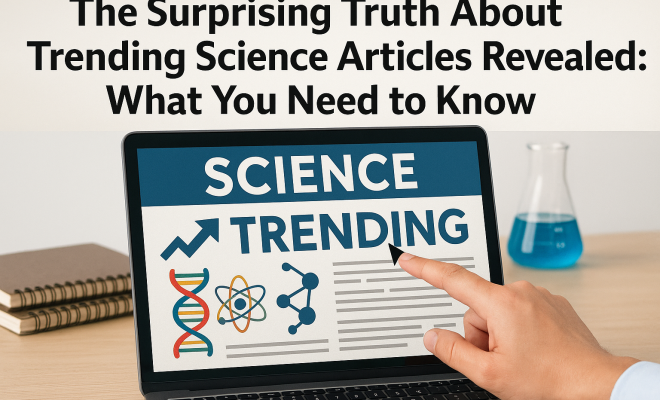
The landscape of science articles is ever-evolving, with new discoveries and insights emerging daily. However, keeping up with the most recent trending articles can sometimes feel like a daunting task. As of May 15, 2026, various searches have highlighted a common challenge: the inability to verify trending science articles in real-time based solely on limited search results. This article delves into what makes science articles trending, the limitations of current news searches, and how to better access groundbreaking information in the field of science.
Understanding the Nature of Trending Science Articles
Trending science articles often arise from significant breakthroughs, discoveries, or impactful research findings. They capture the attention of both the scientific community and the public, prompting discussions across various platforms. However, identifying these articles requires reliable sources and timely updates.
The Challenge of Real-Time Verification
One of the main issues in finding trending science articles is that search results can be misleading. A recent attempt to locate current articles revealed that many links led to broad journal or reference pages rather than specific, up-to-date reports. This limitation highlights a critical point: real-time verification of articles can be challenging when access to live links is restricted.
- Broad Reference Pages: Many search results direct users to general journals or platforms that aggregate scientific literature, making it difficult to pinpoint the latest articles.
- Lack of Timely Updates: Articles that are trending today may not appear instantly in search algorithms, especially if they are not widely shared on social media or news outlets.
- Risk of Inaccuracy: Relying on limited search results can lead to fabricating sources or trends that may not accurately represent the current scientific dialogue.
The Importance of Reliable Sources
To navigate the world of science articles more effectively, it is crucial to utilize reliable and comprehensive sources. Here are some strategies to ensure that you are accessing the most relevant and current science content:
- Utilizing News Aggregators: Websites like Google News or specialized science news aggregators can provide a broader spectrum of recent articles.
- Following Reputable Journals: Subscribing to newsletters or alerts from leading scientific journals will keep you informed about the latest research.
- Engaging with Social Media: Platforms like Twitter, where scientists often share and discuss their latest work, can lead you to trending articles.
Adapting to Information Consumption
In this fast-paced digital age, adapting how we consume information is vital. With the overwhelming amount of content available, focusing on quality is more important than quantity. Here are some tips to enhance your experience:
- Curate Your Feed: Follow specific hashtags related to your interests in science, such as #ScienceNews or #ResearchUpdates, to filter out noise.
- Engage with Communities: Online forums, such as Reddit or specialized Facebook groups, often discuss the latest trends and can be a valuable source of information.
- Attend Webinars and Lectures: Live discussions and presentations from experts can provide insights into the latest developments before they are widely published.
Conclusion
While the challenge of verifying trending science articles in real-time exists, it is essential to remain proactive in seeking out credible sources and utilizing various platforms for updates. The scientific community is continually advancing, and being informed about the latest research can significantly enhance our understanding of the world around us.
As we move forward, keeping abreast of science articles requires a blend of curiosity, adaptability, and the willingness to explore beyond traditional search methods. By doing so, we can ensure that we stay informed about the groundbreaking discoveries that shape our present and future.