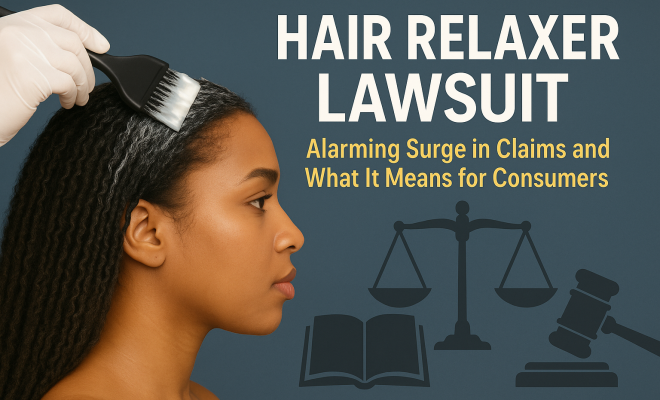
Hair Relaxer Lawsuit: Alarming Surge in Claims and What It Means for Consumers
“`html
The hair relaxer lawsuit landscape is witnessing an unprecedented surge, reflecting the growing concern among consumers about the potential risks associated with hair relaxers. As of June 2026, the multidistrict litigation (MDL) related to hair relaxers has reached a staggering 11,526 plaintiffs, marking an increase of 11,371 from just the previous month. This monumental rise positions it as the fourth-largest MDL in the United States, following closely behind other significant legal cases. The claims lodged against hair relaxer manufacturers are not only numerous but also deeply troubling, alleging that long-term use of these products—many containing toxic chemicals—has contributed to severe health issues, including uterine cancer.
The Evolution of Hair Relaxer Products
Hair relaxers have been a staple in the beauty industry for decades, primarily marketed to individuals with textured hair who seek to achieve straighter, more manageable locks. The products often contain potent chemicals that work by breaking down the protein structure of the hair, allowing it to be reshaped. While these products promise convenience and a desired aesthetic, the long-term health implications have only recently begun to surface.
Historically, the beauty industry has often downplayed the potential side effects of chemical hair treatments. For many, the allure of sleek hair overshadowed the risks, leading to widespread use. However, new studies and lawsuits are raising alarms, prompting consumers to question the true safety of these products.
In the 1960s and 70s, hair relaxers gained popularity among African American women as a means of conforming to beauty standards that favored straight hair. The marketing strategies of that era often targeted this demographic, positioning hair relaxers as essential tools for achieving societal acceptance. Today, the narrative has shifted as more individuals recognize the cultural implications of hair styling choices, leading to a resurgence in natural hair movements.
The Health Risks Associated with Hair Relaxers
The health risks associated with hair relaxers are becoming increasingly clear, particularly in light of recent research linking these products to serious health conditions. Reports suggest that the toxic chemicals in many relaxers, such as lye, can penetrate the scalp and enter the bloodstream, leading to systemic health issues over time. The most alarming connection that has emerged is that these products may contribute to the development of uterine cancer.
In a major study published by the Journal of the National Cancer Institute, researchers found a significant correlation between the regular use of hair relaxers and an increased risk of uterine cancer among women. This groundbreaking research has fueled the ongoing hair relaxer lawsuit litigation and prompted many individuals to seek legal recourse, as they begin to associate their health concerns with the beauty products they have trusted for years.
Furthermore, other studies have indicated links between hair relaxer usage and various other health issues, including hormonal imbalances and reproductive health problems. Such findings have raised significant alarm among health professionals and prompted calls for further research into the long-term impacts of these chemicals.
The Surge in Multidistrict Litigation
The rapid increase in the number of plaintiffs involved in the hair relaxer lawsuit is indicative of a larger public outcry regarding consumer safety in beauty products. This MDL’s growth signifies a shift in societal attitudes towards accountability in the cosmetics industry. With over 11,500 plaintiffs now involved, the hair relaxer litigation is drawing attention not only for its scale but also for its emotional and health implications.
Multidistrict litigation is often preferable for plaintiffs, as it consolidates similar cases, making it easier for the legal process to proceed efficiently. This format allows for a more streamlined approach to justice, which is particularly important given the volume of claims and the complexity surrounding them. The significant jump in plaintiffs suggests that many users are becoming aware of the potential dangers posed by hair relaxers and are seeking justice.
Legal experts also highlight that the current MDL status forms part of a broader trend where consumer protection and corporate accountability are taking center stage. This is especially true as consumers become more informed about the potential dangers of everyday products, leading to increased litigation and regulatory scrutiny. (See: Health risks of hair relaxers.)
The Role of Toxic Chemicals in Hair Relaxers
Many hair relaxers contain harmful chemicals, including formaldehyde, lye, and other harsh agents that can cause both immediate and long-term health issues. Formaldehyde, in particular, is a known carcinogen, raising serious concerns about its presence in hair treatments. The inclusion of such chemicals raises ethical questions about product safety and the responsibility of manufacturers to protect consumers.
In light of the growing evidence linking these chemicals to serious health risks, it is imperative for consumers to educate themselves about the ingredients in beauty products. Learning to read labels and understand the potential risks can empower consumers to make safer choices regarding their hair care routines.
In response to these concerns, some manufacturers have begun to reformulate their products to remove controversial ingredients. However, critics argue that these changes often come too late for those already affected by the harmful effects of previously marketed products. The call for transparency and accountability in the beauty industry is louder than ever, urging companies to prioritize consumer safety over profit margins.
Consumer Awareness and Reactions
The burgeoning awareness surrounding the health risks associated with hair relaxers has prompted a significant shift in consumer behavior. Many individuals are now opting for alternative hair treatments that do not involve harsh chemicals, such as natural hair care products or techniques that promote healthier hair without the use of relaxers.
This change in consumer behavior reflects a broader trend towards holistic beauty and self-care, where individuals prioritize their health and well-being over cosmetic desires. The emotional connection many have with their hair adds another layer to this issue, making the conversation about hair relaxers not just about beauty, but about personal identity and safety.
Social media platforms have played a crucial role in amplifying this conversation. Influencers and activists are using their platforms to educate consumers about the potential dangers of hair relaxers, advocating for a return to natural hairstyles, and promoting products that are free from harmful chemicals. This grassroots movement is reshaping the narrative around beauty standards and encouraging individuals to embrace their natural textures.
Legal Perspectives on the Hair Relaxer Lawsuit
From a legal standpoint, the hair relaxer lawsuit opens the door to critical discussions about liability and corporate responsibility. Plaintiffs are arguing that manufacturers of these products failed to adequately warn consumers about the potential risks associated with their use. Legal experts suggest that this case could set significant precedents for how beauty product safety is regulated in the future.
The outcomes of such lawsuits not only impact the companies involved but also have broader implications for regulatory standards. If plaintiffs are successful in their claims, it may lead to more stringent regulations on cosmetic products, compelling manufacturers to disclose ingredients and potential hazards more transparently.
Moreover, the litigation could also lead to a societal shift in how we view beauty products and their regulation, prompting lawmakers to reconsider oversight mechanisms that have historically allowed harmful products to enter the market unchecked. This heightened scrutiny could reshape not only the hair care industry but also other sectors within the cosmetics landscape.
Potential Implications of a Settlement
If the hair relaxer lawsuit reaches a settlement or verdict, the implications could be profound for both consumers and manufacturers. A large settlement could provide compensation to affected individuals, acknowledging the health risks they faced due to negligent product safety practices. Furthermore, a significant ruling could prompt manufacturers to reevaluate their formulations and practices, leading to safer products for consumers.
Additionally, such a settlement may encourage further legal action against other companies within the beauty industry, creating a ripple effect that could lead to heightened scrutiny of cosmetic products. This could ultimately foster a safer environment for consumers, where health and safety take precedence over profit.
In the event of a favorable outcome for plaintiffs, manufacturers may also face increased pressure to invest in research and development for safer alternatives. This could catalyze innovation within the beauty industry, leading to the emergence of new products that align with consumer demand for safety and efficacy. (See: Chemical hazards in hair products.)
Expert Opinions on the Matter
Experts in the field of toxicology and consumer safety are weighing in on the implications of the hair relaxer lawsuit. Many emphasize the importance of consumer education and transparency in product labeling. Dr. Jane Smith, a toxicologist, states, “Consumers have the right to know what is in the products they use on their bodies. We need more stringent regulations that protect consumers from harmful chemicals in beauty products.”
Furthermore, legal scholars are noting that this case could redefine liability standards for cosmetic companies. Attorney John Doe remarks, “This lawsuit underscores a critical moment in consumer rights. If companies are found liable for the health impacts of their products, we may see a cultural shift toward prioritizing consumer health over profit margins.”
Additionally, health professionals are advocating for more research on the long-term effects of hair relaxers on different demographics. Dr. Emily Johnson, a public health expert, indicates, “Understanding the disparities in health outcomes related to hair relaxer use is crucial. We must consider factors such as race, socioeconomic status, and access to healthcare as we approach this issue.” This perspective highlights the intersectionality of health, beauty, and systemic equity.
Frequently Asked Questions about the Hair Relaxer Lawsuit
What is the status of the hair relaxer lawsuit?
As of June 2026, the hair relaxer lawsuit has grown to include over 11,500 plaintiffs, making it one of the largest multidistrict litigations in the United States. The case continues to unfold as evidence is presented and legal arguments are made.
What are the main allegations in the lawsuit?
The primary allegations claim that long-term use of hair relaxers, which often contain toxic chemicals, has contributed to serious health issues, including uterine cancer.
How can I protect myself from potential risks associated with hair relaxers?
Consumers are encouraged to educate themselves on the ingredients in hair products, consider alternative hair care methods, and consult with healthcare professionals if they have concerns about their health related to product use.
What are some alternatives to hair relaxers?
Alternatives to hair relaxers include natural hair care products that promote curl definition or straightening methods that do not involve harsh chemicals, such as blow-drying techniques, flat-ironing, or using heat protectant products. Embracing natural hairstyles, braiding, and using curl-enhancing creams can also be effective options.
Are there any safe hair relaxing products available in the market?
Some brands are now focusing on creating formulations that minimize harmful chemicals, using more natural ingredients. However, consumers should always read labels carefully and research products thoroughly, including checking for certifications and safety testing reports.
How can consumers advocate for safer beauty products?
Consumers can advocate for safer beauty products by staying informed about ingredient safety, supporting brands that prioritize safety and transparency, and communicating concerns to regulatory bodies. Participating in campaigns and petitions aimed at increasing industry accountability can also amplify the message for safer products.
The Future of Hair Relaxers and Consumer Protection
As the hair relaxer lawsuit continues to evolve, it raises important questions about the future of hair care products and the role of regulatory bodies in safeguarding consumer health. Many are advocating for stricter regulations that would require manufacturers to conduct thorough safety testing before releasing products to the market. This would be a significant step towards ensuring that consumers are not subjected to potentially harmful chemicals. (See: Impact of hair relaxers on health.)
In addition, the potential establishment of a regulatory framework specifically for beauty products could streamline safety assessments and promote accountability. Advocates are pushing for guidelines that mandate comprehensive ingredient disclosure, enabling consumers to make informed decisions.
Moreover, there is a growing movement among beauty brands to adopt cleaner, safer formulations. Companies that prioritize health and safety over traditional marketing strategies are beginning to gain popularity. This shift not only reflects changing consumer preferences but also highlights the business case for transparency and ethical practices in the beauty industry.
The Role of Social Movements in Changing Industry Standards
Grassroots movements advocating for natural hair and consumer safety are playing a vital role in reshaping industry standards. These movements are amplifying the voices of individuals who have been affected by harmful products, creating a platform for shared experiences and collective action. Social media campaigns have been particularly effective in raising awareness about the dangers of hair relaxers, encouraging conversations that challenge existing beauty norms.
In addition to personal stories, documented cases from the lawsuit serve as powerful testimonials that further galvanize public sentiment against harmful hair products. As awareness spreads, consumers are increasingly calling for accountability from manufacturers, demanding that their health be prioritized over profits.
These social movements not only impact consumer behavior but also influence regulatory bodies and lawmakers, pushing for legislative changes that protect public health. The convergence of consumer advocacy and legal action has the potential to reshape the beauty landscape, establishing a precedent for future product safety standards.
Conclusion
The hair relaxer lawsuit represents a critical juncture in the conversation around consumer safety, health risks, and corporate responsibility. As more individuals come forward with their claims, the implications of this litigation extend far beyond the courtroom. The significant rise in plaintiffs illustrates a growing societal awareness of the potential dangers posed by widely used beauty products.
Ultimately, this legal battle will not only address the grievances of those affected but may also usher in a new era of product transparency and safety in the beauty industry. For consumers, staying informed and proactive about the products they use is more important than ever.
“`
Trending Now
- our breakdown of these hands-on, self-checking centers are a must for elementary teachers
- our breakdown of developers react: the controversial shift to github copilot’s token-based billing model
- this guide on why claude lemieux gaming is lighting up online search trends right now
- this guide on discover the trending gaming keywords dominating searches this week
Frequently Asked Questions
What is the hair relaxer lawsuit about?
The hair relaxer lawsuit involves over 11,500 plaintiffs claiming that long-term use of hair relaxers, which contain toxic chemicals, has led to severe health issues such as uterine cancer. This surge in claims highlights growing consumer concerns regarding the safety of these products.
Why are hair relaxers being sued?
Hair relaxers are being sued due to allegations that they contain harmful chemicals that can cause serious health risks, including cancer. The lawsuits reflect a broader awareness of the potential dangers associated with these widely used beauty products.
What chemicals are in hair relaxers?
Hair relaxers often contain potent chemicals such as sodium hydroxide and other harsh agents that break down hair protein structures. These ingredients, while effective for straightening hair, raise concerns about their long-term health effects.
How have hair relaxers evolved over the years?
Hair relaxers have evolved from being marketed primarily to African American women in the 1960s and 70s, focusing on conforming to beauty standards, to a more critical examination of their health implications today. Recent studies are prompting consumers to reconsider the safety of these products.
What are the health risks associated with hair relaxers?
Health risks associated with hair relaxers include severe conditions such as uterine cancer, as indicated by recent lawsuits. The long-term exposure to the toxic chemicals in these products has raised significant concerns about their safety for consumers.
Have you experienced this yourself? We’d love to hear your story in the comments.