7 Surprising Ways Social Media Affects Your Mental Health
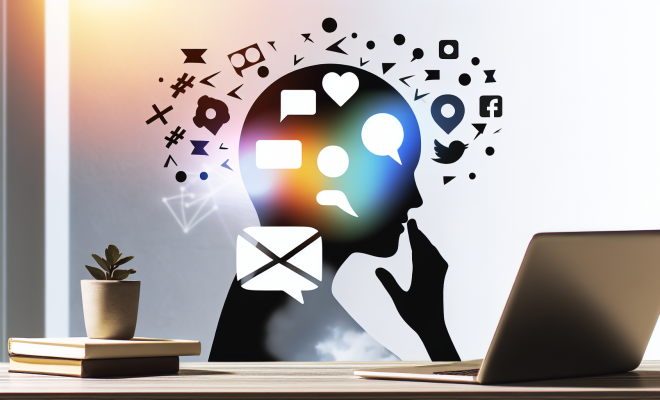
In today’s digital age, the relationship between social media and mental health has become a focal point of discussion among researchers, parents, and mental health professionals alike. With the proliferation of platforms such as Instagram, TikTok, and Facebook, individuals are more connected than ever, but this connectivity comes with its own set of challenges. Understanding the complex dynamics at play is crucial for fostering healthy engagement with these platforms.
The Double-Edged Sword of Social Media
Social media can act as a double-edged sword; while it facilitates connections and provides a platform for self-expression, it can also exacerbate feelings of anxiety and depression. Studies find that excessive use correlates with higher rates of mental health issues, particularly among vulnerable groups like teenagers.
Excessive Use and Its Consequences
Research shows that around 32% of teenagers report worsened symptoms of anxiety and depression as a direct result of excessive social media engagement. The pressures of maintaining an online persona, coupled with the constant barrage of curated images and success stories, can lead to feelings of inadequacy.
In fact, a significant percentage of girls aged 13-17 are most at risk; a staggering 45% of these girls experience distress linked to cyberbullying, which often manifests through social media platforms. These statistics highlight the urgent need for awareness and proactive measures to protect young users.
Moderation: The Key to Positive Impact
While the negative aspects of social media are often highlighted, it is essential to recognize that moderate engagement can yield positive outcomes. Users who maintain a balanced approach to their social media usage may find that it enhances their social connections and boosts self-esteem.
Building Social Connections
For many, social media serves as a lifeline to maintain relationships and develop new ones. Moderate engagement enables individuals to connect with friends, family, and like-minded communities, fostering a sense of belonging. The ability to share life experiences and seek support from others can significantly improve one’s mood and outlook on life.
The Role of FOMO and Comparison Culture
Experts like Dr. Jean Twenge argue that platforms such as TikTok amplify the Fear of Missing Out (FOMO) and the culture of comparison, which can further complicate young users’ mental health. The seemingly perfect lives presented in social media posts can lead to a distorted self-image and increased anxiety.
The Science Behind FOMO
FOMO is deeply rooted in psychological principles and is exacerbated by social media. When individuals constantly see friends or influencers enjoying experiences they’re not part of, feelings of exclusion and inadequacy can arise. This contributes to a vicious cycle of anxiety and depression, particularly among adolescents, who are still developing their identities.
Cyberbullying: A Growing Concern
Cyberbullying is another critical issue that arises in discussions about social media and mental health. The anonymity provided by these platforms can embolden individuals to engage in harmful behaviors, affecting victims profoundly.
The Impact of Cyberbullying
Victims of cyberbullying often experience heightened anxiety, depression, and even suicidal thoughts. The digital nature of this bullying means it can occur at any time, making it harder for victims to escape. Support systems, both online and offline, are vital for helping those affected navigate these challenges.
Regulations and Parental Guidance
The heightened awareness of the impact of social media on mental health has led to increasing discussions about regulations concerning screen time and social media usage, especially for children. Parents are often left grappling with how to protect their kids while still allowing them to reap the benefits of connectivity.
Strategies for Healthy Engagement
- Set Time Limits: Encourage children to limit their daily screen time to avoid excessive use.
- Discuss Online Behavior: Open conversations about appropriate online interactions can prepare children to handle potential conflicts.
- Promote Positive Content: Encourage children to follow accounts that inspire or uplift them rather than those that foster comparison.
Monitoring Mental Health: Signs to Watch For
It is crucial for both parents and teens to be aware of the signs of mental health struggles exacerbated by social media usage. Recognizing these signs early can lead to timely intervention and support.
Signs of Distress
- Increased Anxiety: Frequent feelings of nervousness or worry, especially after using social media.
- Withdrawal from Activities: A noticeable decrease in interest in previously enjoyed activities.
- Changes in Sleep Patterns: Difficulty sleeping or changes in sleep habits can be a red flag.
- Negative Self-Image: Expressing feelings of worthlessness or inadequacy related to social media comparisons.
The Role of Social Media Platforms in Mental Health
As the impact of social media on mental health continues to be scrutinized, platforms themselves are taking steps to address these issues. Several platforms have begun implementing features aimed at improving user well-being.
Features to Promote Mental Health
- Wellness Tools: Many platforms are introducing tools that allow users to monitor their time spent on the app.
- Reporting Mechanisms: Enhanced reporting systems for cyberbullying and harassment are being developed.
- Resource Sharing: Platforms are increasingly providing links to mental health resources for users seeking help.
Conclusion: Finding Balance
Ultimately, the relationship between social media and mental health is complex and multifaceted. While there are undeniable risks, especially for vulnerable populations like teenagers, there is also potential for positive engagement. The key is finding a balance that allows individuals to reap the benefits of social media while mitigating its adverse effects.
By fostering open discussions, implementing protective measures, and encouraging healthy habits, we can create a safer digital environment. As this conversation continues to evolve, both individuals and society must stay informed and proactive in addressing the mental health implications of social media use.