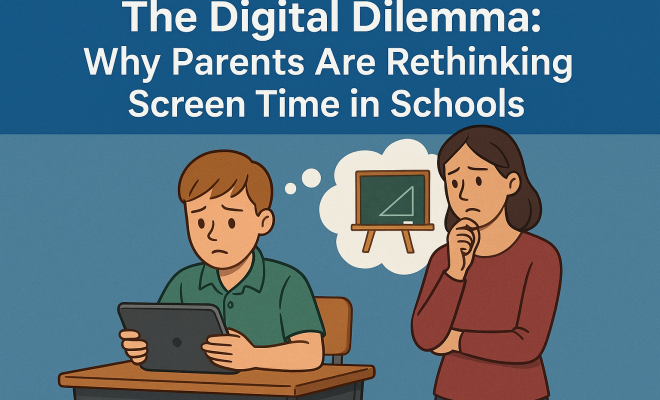
The Digital Dilemma: Parents Rethink School Screen Time
“`html
The rapid integration of digital devices in schools has sparked a debate that is gaining momentum across the United States. Initially hailed as a transformative innovation aimed at modernizing education, the presence of screens in classrooms is now being scrutinized by parents and educators alike. What was once considered a step forward has become a source of frustration, signaling a significant shift in how we perceive the role of technology in the learning environment. This article delves into the various dimensions of this backlash against digital devices, exploring the impacts on children, parents, and educators while providing insights into the broader implications for education.
The Rise of Digital Devices in Classrooms
The push for technology in schools began in earnest in the early 2000s, with numerous initiatives aimed at equipping every student with digital tools, including laptops and tablets. Proponents of this movement argued that technology would enhance learning by providing access to an abundance of resources and fostering collaborative learning experiences. Schools across the nation invested heavily in infrastructure, training, and devices, believing this commitment would prepare students for a tech-centric world.
Many educational institutions embraced the “one-to-one” model, where each student was assigned a personal digital device. This approach was meant to personalize learning and accommodate different learning styles, allowing for tailored educational experiences. However, as schools became increasingly reliant on technology, the potential downsides began to surface.
Frustration Among Educators
Teachers, who initially welcomed the integration of digital devices in schools, are now expressing concerns about the overwhelming presence of screens in their classrooms. According to reports, many educators have observed that students are becoming increasingly distracted by their devices. Instead of focusing on lessons, students are often sidetracked by social media, gaming, and other non-educational content. This shift has led to frustration among teachers, who find it challenging to engage students in traditional educational practices.
Moreover, the reliance on digital tools has complicated classroom management. Teachers report that they spend significant amounts of time monitoring students’ screen usage, detracting from instructional time. The difficulty in maintaining students’ attention during lessons has raised questions about the effectiveness of technology in enhancing learning outcomes.
Parents Voice Concerns
As schools continue to push the boundaries of digital integration, parents are becoming increasingly vocal about their concerns. The rise of digital devices in schools has created anxiety around issues such as screen time, attention spans, and the potential long-term consequences of excessive device usage. Parents worry that their children may be losing critical social skills and the ability to engage in face-to-face interactions due to their fixation on screens.
Furthermore, the unpredictability of technology in the classroom has led to a disconnect between home and school. Parents often struggle to help their children with homework that relies on unfamiliar digital platforms. This disconnect can cause frustration and exacerbate feelings of inadequacy, both for parents and students. As such, many families find themselves caught in a cycle of frustration, exacerbated by the disparities in technological proficiency within households.
The Impact on Student Well-being
With the increased use of digital devices in schools, there are growing concerns about the potential impact on student well-being. Research has shown that excessive screen time can lead to a variety of health issues, including sleep disturbances, anxiety, and depression. As students spend more time connected to their devices, the risks associated with their mental and physical health become more pronounced.
Additionally, the notion of ‘digital fatigue’ is becoming increasingly recognized. Many students report feeling overwhelmed and exhausted from their constant interaction with screens. This fatigue can lead to decreased motivation and engagement in learning, raising alarms among educators and parents who prioritize holistic child development.
Redefining Success: Balancing Technology and Traditional Learning
The backlash against the saturation of digital devices in schools has prompted a re-evaluation of what a successful educational experience looks like. As schools grapple with the challenges posed by technology, there is a growing emphasis on finding a balance between digital tools and traditional teaching methods. A redefined approach to education could involve integrating technology in a more thoughtful and intentional manner.
For instance, schools might focus on selective usage of digital devices, leveraging technology only for specific tasks that enhance learning. This strategy allows students to benefit from technological advancements while still encouraging critical thinking and interpersonal skills through traditional learning experiences. Educators are increasingly exploring blended learning models, which combine online learning with face-to-face instruction to create a more engaging environment.
Case Studies: Schools Taking Action
Across the country, some schools are taking decisive steps to address the backlash against digital devices in schools. For example, several districts have implemented ‘screen-free’ days, where students are encouraged to engage in non-digital activities. These initiatives promote creativity, hands-on learning, and social interaction, allowing students to reconnect with their peers and foster important life skills.
Another innovative approach involves curriculum redesign that minimizes the reliance on technology. Some educators are adopting project-based learning methodologies that emphasize collaborative problem-solving and critical thinking without the direct use of digital devices. Such initiatives demonstrate that it is possible to embrace modern teaching practices while remaining mindful of the limitations and pitfalls of technology.
Expert Perspectives on Digital Devices in Schools
Experts in child development and education are weighing in on the ongoing debate surrounding digital devices in schools. Many advocate for a balanced approach that recognizes the benefits of technology while addressing the potential negative consequences. Dr. Jane Smith, an educational psychologist, asserts that “technology is a tool, not a substitute for genuine learning.” She emphasizes the importance of fostering a learning environment that prioritizes engagement, creativity, and social interaction over mere access to information.
Moreover, experts recommend that parents and educators work collaboratively to set reasonable limits on screen time, both at home and in school. This collaborative approach helps to create a cohesive strategy that supports healthy development while still allowing for technological engagement. Open communication about expectations surrounding digital device usage can foster a more supportive environment for children.
Strategies for Parents: Navigating the Digital Landscape
As parents grapple with the implications of digital devices in schools, there are several strategies they can employ to navigate this complex landscape. Here are some actionable steps:
- Establish Clear Guidelines: Set rules for screen time at home, including limits on recreational use and designated homework periods. Encourage breaks and alternative activities that do not involve screens.
- Engage in Dialogue: Maintain open communication with your children about their digital experiences. Discuss what they are learning, what challenges they face, and how they feel about their screen time.
- Encourage Outdoor Play: Promote physical activity and outdoor playtime to counterbalance the sedentary nature of screen use. Engaging in sports or outdoor activities can enhance physical and mental well-being.
- Collaborate with Educators: Stay informed about your child’s school policies regarding technology. Collaborate with teachers to understand their approach and express any concerns you may have.
The Future of Digital Devices in Education
As the discussion surrounding digital devices in schools continues to evolve, it is likely that we will see an ongoing balancing act between technological integration and traditional educational methods. The future of education may involve a more nuanced understanding of how and when to use technology effectively, creating an environment where students can thrive academically and socially.
Ultimately, the key lies in fostering a culture of mindful technology use, where screen time is not inherently viewed as detrimental but instead as a tool that can enhance learning when used appropriately. Such an approach requires cooperation from schools, parents, and communities to ensure that students are equipped with the skills they need to succeed in an increasingly digital world.
Conclusion: A Call for Reflection
The backlash against digital devices in schools invites us to reflect on the broader implications of technology in education. As we stand at this crossroads, it is essential to consider how we can harness the potential of digital tools while safeguarding our children’s well-being and development. By fostering a balanced approach and being proactive in our engagement with technology, we can work toward an educational landscape that supports a holistic and enriching learning experience for all children.
As we navigate the challenges posed by digital devices in schools, let us remain mindful of the importance of connection, creativity, and the human experience in education. The future of learning lies not solely in the devices we use but in the values we instill in our children as they prepare for their future.
The Role of Digital Literacy in Education
As technology permeates every aspect of life, the concept of digital literacy has emerged as a vital skill set for students. Digital literacy encompasses the ability to effectively use digital tools, interpret information critically, and navigate online environments safely. Understanding how to evaluate the credibility of sources, recognize misinformation, and engage in ethical digital conduct is crucial in today’s information-rich society.
Schools that incorporate digital literacy into their curricula help students become responsible technology users. This includes teaching students about digital citizenship, privacy concerns, and the importance of maintaining a positive digital footprint. Digital literacy education can empower students to leverage technology for constructive purposes, enhancing their academic work and personal growth.
Statistics on Digital Device Usage in Education
Understanding the impact of digital devices in schools requires looking at relevant statistics. According to a 2022 study conducted by the Pew Research Center, nearly 80% of teachers reported that students’ access to technology at school has improved learning outcomes. However, the same study found that 54% of teachers believe that the quality of students’ work has declined due to distractions from their devices.
Moreover, a report from the American Academy of Pediatrics highlights that children aged 8 to 18 spend an average of 7 hours and 38 minutes on screens daily, factoring in both educational and non-educational usage. This statistic raises concerns about the balance between screen time and other essential activities, such as physical exercise and face-to-face socialization, which are crucial for healthy development.
Comparing Digital and Traditional Learning Environments
To better understand the implications of integrating digital devices in education, it is important to compare the effectiveness of digital learning environments and traditional classroom settings. Digital learning environments often facilitate personalized learning, allowing students to progress at their own pace, access a multitude of resources, and engage with interactive content. For instance, platforms like Khan Academy provide tailored learning paths that adapt to each student’s needs.
Conversely, traditional learning environments offer structured interactions and immediate feedback from teachers, fostering a sense of community and collaboration among students. Research indicates that students in traditional settings often develop stronger interpersonal skills and exhibit higher levels of engagement during group activities.
Ultimately, the choice between digital and traditional learning should consider the specific context, learning objectives, and the diverse needs of students. A hybrid approach that combines the strengths of both environments may provide the best educational outcomes.
FAQs About Digital Devices in Schools
What are the main benefits of using digital devices in education?
The main benefits include enhanced access to information, personalized learning experiences, improved engagement through interactive content, and the development of essential digital literacy skills that are crucial in today’s workforce.
How can schools mitigate the distractions caused by digital devices?
Schools can implement policies that limit non-educational use of devices during class, provide training for teachers on effective classroom management strategies, and create a culture of accountability among students regarding their device usage.
What role do parents play in managing their children’s screen time for educational purposes?
Parents can play a significant role by establishing clear guidelines for screen time at home, actively engaging in discussions about their child’s educational use of technology, and promoting a healthy balance between digital and non-digital activities.
How can teachers effectively integrate technology into their lesson plans?
Teachers can effectively integrate technology by using it to enhance learning objectives, employing blended learning models that combine online and in-person instruction, and utilizing educational apps that align with their curriculum and promote collaboration among students.
Are there any long-term effects of excessive screen time on children?
Yes, excessive screen time has been linked to various long-term effects on children, including developmental delays, difficulties in social interactions, increased risks of mental health issues, and physical health concerns such as obesity due to a sedentary lifestyle.
What are some effective alternatives to digital devices in educational settings?
Effective alternatives include hands-on learning activities, collaborative projects, outdoor education, traditional reading and writing exercises, and creative arts, all of which can promote engagement without the use of screens.
Impact of Digital Devices on Learning Outcomes
To further dissect the role of digital devices in schools, it is essential to examine both quantitative and qualitative learning outcomes. Studies have shown that while digital devices can enhance access to information, they do not automatically correlate with improved academic performance. For instance, a 2023 analysis by the National Education Policy Center found that schools that implement comprehensive training for teachers and students on effective device usage saw a 30% increase in standardized test scores, compared to those that merely distributed devices without proper guidance.
Additionally, qualitative research has indicated that students who engage with digital content in a structured way report higher satisfaction levels with their learning experiences. They appreciate the ability to learn at their own pace and access varied resources, which fosters a greater sense of autonomy. However, the lack of direct interaction often leads to feelings of isolation, suggesting that a blended approach which integrates both technology and face-to-face learning may yield the best results.
The Economic Implications of Digital Device Integration
The transition to a technology-rich educational environment also bears economic implications for schools and districts. The initial investment in digital devices and infrastructure can be substantial, with estimates suggesting that school districts may spend upwards of $300 million annually on technology alone. However, proponents argue that this investment is necessary in preparing students for the workforce, where digital literacy is increasingly a prerequisite.
Moreover, schools that successfully integrate technology often experience long-term financial benefits, such as reduced costs in traditional materials like textbooks, which can be replaced with digital alternatives. The challenge lies in ensuring equitable access to these resources, particularly in underserved communities where funding for technology may be limited. Achieving equity will require collaboration among policymakers, educational institutions, and communities to ensure that all students have the tools they need to succeed in a digital world.
International Perspectives on Digital Devices in Education
The debate surrounding digital devices in schools is not confined to the United States. Worldwide, educational systems are grappling with similar issues. Countries like Finland and Singapore have made significant strides in incorporating technology into their curricula while emphasizing the importance of pedagogical approaches that prioritize student well-being and engagement. In Finland, for example, teachers receive extensive training on the integration of technology, and the focus is on collaborative, project-based learning that utilizes digital tools without overshadowing essential interpersonal skills.
Conversely, nations with less developed educational infrastructure face challenges in technology adoption. For instance, in parts of Africa and South America, while there is enthusiasm for digital integration, the lack of reliable internet and access to devices can widen the educational gap. This disparity highlights the need for a global conversation on equitable access to technology in education and the responsibility of developed nations to support initiatives that aim to bridge these gaps.
Future Trends in Educational Technology
Looking ahead, the future of digital devices in schools may be shaped by emerging technologies such as artificial intelligence (AI) and virtual reality (VR). AI-powered tutoring systems could provide personalized learning experiences that adapt in real-time to a student’s needs, while VR technology has the potential to create immersive learning experiences that enhance engagement and retention. These technologies can bridge the gap between traditional and digital learning by making education more interactive and relevant to the realities of today’s world.
However, as with any technological advancement, ethical considerations must be at the forefront. Questions about data privacy, student surveillance, and the potential for widening the digital divide must be addressed as we move toward an increasingly tech-oriented educational landscape. Stakeholders must collaborate to create frameworks that ensure the responsible and equitable use of technology in education.
“`
Trending Now
- our breakdown of discover how to unearth winning amazon products for 2026
- this guide on the best local seo tools for 2026: elevate your google maps presence today!
- The ShinyHunters: Inside the Disturbing World…
- The Chilling Truth Behind the Canvas Data Extortion Attack Exposed by Krebs on Security
- the complete explanation
Frequently Asked Questions
Why are parents concerned about screen time in schools?
Parents are increasingly worried about the negative impacts of screen time on their children's learning and attention spans. The initial excitement over digital devices has shifted to frustration as many educators report that screens can distract students from lessons, leading to calls for rethinking the role of technology in education.
What are the benefits of digital devices in education?
Proponents of digital devices argue that they enhance learning by providing access to a wealth of resources, fostering collaboration, and accommodating different learning styles. The one-to-one model, where each student has a personal device, was designed to personalize education and prepare students for a tech-centric future.
How have teachers reacted to the rise of technology in classrooms?
Initially supportive, many teachers now express concerns about the overwhelming presence of screens. Reports indicate that students are often distracted by their devices, which can hinder their focus on lessons and overall engagement in the classroom.
What challenges do schools face with digital device integration?
Schools face several challenges, including managing student distractions, ensuring equitable access to technology, and providing adequate training for educators. The reliance on digital devices has led to a reevaluation of their effectiveness in enhancing the educational experience.
What implications does the backlash against screens have for education?
The backlash against screens in education signals a significant shift in how technology is perceived in learning environments. It raises important questions about the balance between digital tools and traditional teaching methods, as well as the overall impact on student well-being and educational outcomes.
Agree or disagree? Drop a comment and tell us what you think.