FCC Approves Reflect Orbital: Reshaping Nights Forever?
“`html
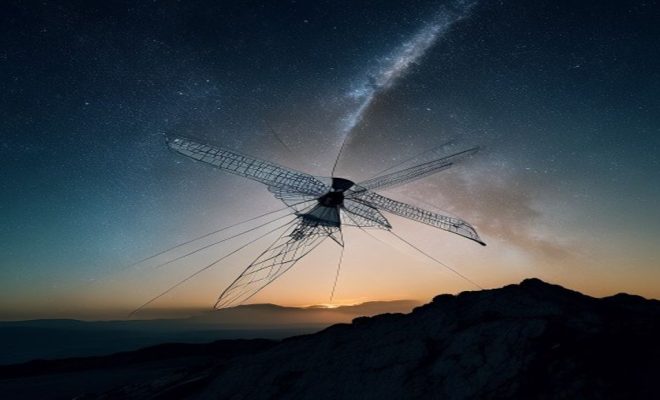
The recent approval by the U.S. Federal Communications Commission (FCC) of the Reflect Orbital Sunlight Satellite has ignited a firestorm of discussion and debate. This innovative satellite is set to revolutionize nighttime visibility by reflecting sunlight into areas that would otherwise be cloaked in darkness. Imagine a world where you could enjoy artificial daylight even after the sun sets; this is precisely what the Reflect Orbital project aims to achieve. However, this groundbreaking endeavor raises significant ethical and scientific questions, particularly from the astronomical community, who warn that it could severely disrupt our understanding and observation of the cosmos.
1. The Vision Behind the Reflect Orbital Sunlight Satellite
Reflect Orbital, the company behind this ambitious project, envisions a future where humanity can harness and manipulate natural light in unprecedented ways. The satellite is designed to reflect sunlight back to Earth, illuminating urban areas during the night. This concept, while intriguing, has been met with skepticism and concern from various sectors, particularly those devoted to preserving natural night skies.
The potential applications of this technology are vast. From improving safety on city streets to extending operational hours for businesses, the implications are enticing. However, the broader question remains: should we alter the natural rhythms of day and night? The Reflect Orbital Sunlight Satellite represents a technological leap, but it also challenges our relationship with the environment and the cosmos.
2. Controversy and Concerns from Astronomers
The approval of the Reflect Orbital Sunlight Satellite did not come without controversy. Astronomers have voiced strong opposition, arguing that the satellite will contribute to what is termed “orbital streaking.” This phenomenon occurs when artificial satellites create bright streaks across the night sky, hindering the ability to observe celestial phenomena accurately. The concern is that these streaks will interfere with both professional and amateur astronomical observations, making it more difficult to study stars, planets, and other celestial bodies.
Many astronomers fear that the Reflect Orbital Satellite could represent a slippery slope towards a future where the night sky is no longer a place of wonder but, instead, a canvas for corporate interests. This fear is palpable, especially considering the growing number of satellites being launched into orbit. The idea of further encroachment upon the natural darkness of night raises fundamental questions about our priorities and responsibilities as stewards of the planet.
3. The Debate: Human Advancement vs. Cosmic Preservation
The launch of the Reflect Orbital Sunlight Satellite has sparked a passionate debate about the ethics of manipulating natural light. On one side are the advocates for technological advancement, who argue that such innovations can lead to greater safety and productivity. They highlight the potential benefits of enhanced nighttime visibility, asserting that this technology can help reduce crime rates and improve infrastructure.
On the other hand, opponents argue that the implications of such advancements could be catastrophic for scientific research. Dark skies are crucial for astronomical research; they allow scientists to study the universe without interference from artificial light. The debate thus centers not only on technological progress but also on the moral implications of altering the fabric of our natural world. Are we, as a species, overstepping our bounds by asserting control over night and day?
4. The Response from the Astronomical Community
In reaction to the FCC’s approval, many prominent astronomers have come forward with outspoken criticism. Organizations such as the American Astronomical Society have issued statements emphasizing the importance of preserving dark skies for scientific research. They argue that the Reflect Orbital Sunlight Satellite could severely jeopardize the ability to conduct meaningful astronomical observations.
Some astronomers have proposed potential mitigations, such as advanced tracking systems to account for satellite interference. However, the feasibility of these solutions remains uncertain. The dialogue surrounding the Reflect Orbital Sunlight Satellite highlights a growing tension within the scientific community about the balance between innovation and preservation. It’s a dilemma that requires careful consideration as we move forward.
5. The Public’s Perception: FOMO and Curiosity
The decision to approve the Reflect Orbital Sunlight Satellite has also caught the attention of the public, sparking interest and curiosity about the implications of artificial daylight. Many people are experiencing a sense of FOMO (fear of missing out), driven by the potential changes this technology could bring to nighttime activities and urban lifestyles.
Social media platforms have been abuzz with discussions about the satellite, with individuals sharing opinions on both sides of the argument. Some view it as a groundbreaking advancement that could enhance quality of life, while others express concern about the unforeseen consequences. This dichotomy highlights the broader societal implications of such technological innovations and raises questions about how future generations will interact with the night sky.
6. Technological Implications: What Comes Next?
The approval of the Reflect Orbital Sunlight Satellite opens the door to a new frontier in satellite technology. With the ability to manipulate natural light, the potential applications extend beyond just illumination. The satellite could pave the way for advancements in fields ranging from agriculture to emergency response. For instance, farmers could benefit from enhanced nighttime visibility, allowing for extended working hours during peak seasons. (See: NASA's insights on satellite technology.)
However, this leads to an important inquiry: how do we ensure that such technologies are developed responsibly? Clear regulatory frameworks must be established to govern the use of satellites for artificial lighting. Policymakers will need to address the concerns raised by astronomers while also considering the societal benefits of such innovations. Balancing progress with preservation will be key to navigating this new landscape.
7. The Role of Regulation: Navigating the Future
The FCC’s approval of the Reflect Orbital Sunlight Satellite marks a turning point in space regulation. With private companies increasingly taking the lead in space exploration and technology, regulatory bodies must adapt to this evolving landscape. The role of regulation will be critical in ensuring that the interests of scientific communities and environmental advocates are duly considered.
Moving forward, it is imperative that we establish clear guidelines for satellite deployment, focusing on minimizing interference with astronomical observations and preserving dark sky conditions. The future of space exploration depends not only on innovation but also on fostering a collaborative environment that respects the intricate balance of our ecosystem. Only through thoughtful regulation can we ensure that advancements in technology do not come at the cost of our understanding of the universe.
8. Economic Impacts: Exploring the Financial Projections
The economic implications of the Reflect Orbital Sunlight Satellite are significant. Proponents of the technology argue that it could boost industries that benefit from extended hours of operation. For instance, retail businesses might see increased sales due to longer shopping hours, especially in urban areas. According to market analysts, the retail sector could potentially see a 15-20% increase in evening foot traffic if urban areas were enhanced with artificial daylight.
Moreover, the construction and maintenance of the satellite itself could lead to job creation in the aerospace sector. The demand for skilled workers to design, launch, and operate the satellite could lead to new opportunities for employment in fields ranging from engineering to software development.
However, it’s crucial to consider the potential costs. The initial investment for developing and deploying the Reflect Orbital Satellite is estimated to be in the hundreds of millions of dollars. Critics argue that these funds could be better allocated to pressing social issues such as education, healthcare, and climate change initiatives. Balancing immediate economic benefits with long-term societal needs is a conversation that will continue as this technology unfolds.
9. Environmental Considerations: The Ecological Footprint
As we advance into this new era of artificial illumination, environmental concerns must also be at the forefront of our discussions. The Reflect Orbital Sunlight Satellite is not without its ecological footprint. The energy required to maintain a satellite in orbit and the materials used for its construction may have implications for our environment.
Environmental advocates are particularly concerned about how the satellite might disrupt local ecosystems. Artificial light has been shown to impact wildlife behavior, particularly nocturnal species that rely on natural darkness for hunting and mating. Birds, for instance, may be misled by artificial light during migration seasons, leading to increased casualties and disrupted habitats.
To mitigate these potential environmental impacts, Reflect Orbital must collaborate with ecologists to better understand how to minimize disruption. This could involve research into the optimal wavelengths of light that are least likely to affect wildlife or developing operational protocols that limit illumination during critical periods for local fauna.
10. Global Perspectives: How Other Countries Are Reacting
The approval of the Reflect Orbital Sunlight Satellite has not only captured attention in the United States but has also sparked interest abroad. Countries with significant astronomical research capabilities, such as the European Union nations and Japan, are closely monitoring the developments surrounding this technology. Some governments have expressed concern about the implications for their own astronomical projects and the potential need for international regulations.
In response to these worries, the European Space Agency (ESA) has initiated dialogues about potential collaborative agreements aimed at establishing guidelines for artificial light in space. This could lead to a global framework that addresses the balance between innovation and preservation, ensuring that advancements in technology are aligned with the global commitment to scientific research and environmental stewardship.
Additionally, countries that have embraced smart city initiatives are particularly interested in how the Reflect Orbital Sunlight Satellite could enhance urban planning and infrastructure. Initiatives in Singapore, for example, are focused on integrating smart technologies with environmental considerations. How these nations choose to navigate their relationship with such technology could set precedents for others worldwide.
11. Public Safety: The Bright Side of Illumination
One of the most compelling arguments in favor of the Reflect Orbital Sunlight Satellite is its potential to enhance public safety. Advocates point to studies suggesting that increased lighting in urban areas can lead to a significant reduction in crime rates. A report by the National Institute of Justice found that well-lit public spaces are correlated with lower instances of violent crimes. (See: New York Times on satellite light pollution.)
Imagine neighborhoods where artificial daylight makes late-night walks safer for residents, where businesses can operate longer hours without fear of crime, and where emergency services can respond more effectively in well-illuminated environments. These are benefits that cannot be dismissed lightly.
However, there’s a flip side to this argument. Critics worry that reliance on artificial lighting could lead to complacency in addressing underlying social issues that contribute to crime. Additionally, the presence of constant artificial lighting can create a false sense of security, potentially leading to increased vulnerability if such systems fail or are compromised. Finding a balance between leveraging technology for safety while addressing root causes of crime will be essential.
12. Frequently Asked Questions (FAQ)
What is the Reflect Orbital Sunlight Satellite?
The Reflect Orbital Sunlight Satellite is a proposed satellite designed to reflect sunlight back to Earth, providing artificial illumination in urban areas during the nighttime.
How will the satellite affect astronomical observations?
Astronomers are concerned that the satellite will contribute to “orbital streaking,” creating bright trails in the night sky that hinder the ability to observe celestial events and bodies.
What are the potential benefits of this technology?
Proponents argue that it could improve public safety, extend operational hours for businesses, and boost economic activity in urban areas.
What are the ecological implications?
Environmental advocates worry that the satellite could disrupt local wildlife and ecosystems, particularly affecting nocturnal species that rely on natural darkness.
Are there any regulations governing this technology?
The FCC’s approval marks a significant step, but there is a pressing need for clear regulatory frameworks to balance innovation with scientific and environmental concerns.
How does public perception influence the future of the satellite?
Public interest and concern, driven by social media discussions and FOMO, will shape the ongoing debate over the Reflect Orbital Sunlight Satellite and its societal implications.
13. A Look Ahead: The Future of Light Manipulation
The Reflect Orbital Sunlight Satellite could be just the beginning. As technology continues to advance, we may see a range of innovations focused on manipulating light and energy. Researchers are exploring various ways to harness solar energy more effectively, which could lead to new forms of illumination that are less intrusive and more sustainable than current methods.
Concepts like light-emitting diodes (LEDs) and solar reflectors are already being explored in different contexts, paving the way for future satellites that could address some of the ethical and environmental concerns raised by the Reflect Orbital project. Innovations in these areas could allow for more targeted and efficient applications of light, significantly reducing the ecological footprint of such technologies.
As we navigate this new frontier, the dialogue around the Reflect Orbital Sunlight Satellite will serve as a critical case study in balancing technological advancement with ethical considerations. The choices we make now will set the stage for how humanity engages with both the natural world and the cosmos in the years to come. (See: Scientific research on artificial lighting effects.)
14. Addressing the Doubts: Expert Opinions
Experts from various fields have weighed in on the implications of the Reflect Orbital Sunlight Satellite, providing a range of insights that deepen our understanding of this technology. Dr. Lisa Tran, an astrophysicist, emphasizes the need for research to quantify the effects of artificial lighting on astrophysical observations. “We must collect data to understand how significantly these satellites impact our ability to observe distant galaxies,” she states. Her call for comprehensive studies aims to inform regulatory measures that can mitigate the negative effects on astronomical research.
On the technological front, Dr. Raj Malhotra, an expert in satellite communications, notes that the Reflect Orbital Satellite could inspire a new generation of light-manipulating technologies. “This could lead to innovations in solar energy capture, which would be beneficial for both urban and rural applications,” he explains, pointing to a future where technology serves multiple purposes. Such insights highlight the multifaceted benefits that could arise from this initiative, provided that potential pitfalls are managed proactively.
15. Potential Alternatives to Artificial Illumination
While the Reflect Orbital Sunlight Satellite aims to provide a solution to nighttime visibility, it’s worth exploring alternative methods of enhancing urban illumination that may have fewer consequences for astronomical research and the environment. For instance, smart streetlights equipped with sensors can adjust their brightness based on environmental conditions and pedestrian traffic. This approach minimizes light pollution while ensuring safety and visibility.
Additionally, bioluminescent materials and solar-powered lights have been proposed as sustainable alternatives for urban illumination. These options not only reduce reliance on artificial sources but can also be integrated into urban design, enhancing aesthetic value while being environmentally friendly. Exploring such alternatives could provide complementary solutions to the challenges posed by the Reflect Orbital Satellite.
16. The Path Forward: Collaborative Efforts Required
The complexity of the Reflect Orbital Sunlight Satellite’s implications calls for a collaborative approach among scientists, policymakers, and the public. Establishing working groups that include diverse stakeholders will be crucial in developing guidelines that prioritize both innovation and environmental stewardship. Collaborative efforts could result in sustainable solutions that harness the benefits of technology while preserving the integrity of the natural world.
Public engagement will also play a vital role in shaping the future of this technology. As communities become more aware of the issues surrounding artificial lighting and its impact on their lives and environments, informed discussions can influence the direction of regulatory frameworks and technological advancements. Engaging with the public can foster a sense of ownership over these discussions, ensuring that a range of voices is heard in shaping the future of nighttime visibility.
17. Conclusion: A Future Illuminated by Innovation and Responsibility
The Reflect Orbital Sunlight Satellite represents a bold and unprecedented leap in satellite technology. As we stand on the brink of this new era, we must consider the profound implications of our choices. The ability to alter the natural darkness of the night should not be taken lightly, as it poses both exciting opportunities and significant challenges.
The ongoing discourse surrounding the Reflect Orbital project is crucial in shaping our relationship with the night sky and ensuring that we proceed with mindfulness and respect for both scientific inquiry and the natural world. Ultimately, the decisions we make today will influence not only our immediate future but also the legacy we leave for generations to come. It’s a delicate balance between progress and preservation, and one that demands our attention and care as we embark on this new journey.
“`
Trending Now
- this guide on how google ai mode could transform search as we know it
- The Pixel 11 Review: Is Google Finally Breaking Free from Samsung’s Grip?
- this guide on why xrp price prediction for july 2026 is creating waves in the crypto community
- the complete explanation
- our breakdown of the dark side of cybersecurity: how far-right extremists are shaking the industry
Frequently Asked Questions
What is the Reflect Orbital Sunlight Satellite?
The Reflect Orbital Sunlight Satellite is an innovative project approved by the FCC aimed at reflecting sunlight back to Earth, enhancing nighttime visibility in urban areas. This technology seeks to create artificial daylight after sunset, potentially transforming how we experience night.
How could the Reflect Orbital Satellite impact astronomy?
Astronomers are concerned that the Reflect Orbital Satellite could cause 'orbital streaking,' where artificial lights disrupt the night sky, making it difficult to observe celestial events and stars. This raises significant ethical questions regarding the balance between technological advancement and preserving natural night skies.
What are the potential benefits of the Reflect Orbital Satellite?
The Reflect Orbital Satellite could improve safety on city streets, extend business operational hours, and enhance nighttime activities. Its ability to illuminate urban areas may lead to a safer and more vibrant night-time economy.
What ethical concerns are associated with the Reflect Orbital Satellite?
The ethical concerns surrounding the Reflect Orbital Satellite include the alteration of natural day-night cycles and the potential disruption of ecosystems. Critics argue that manipulating natural light could have unforeseen consequences on wildlife and human health.
Why did the FCC approve the Reflect Orbital Sunlight Satellite?
The FCC approved the Reflect Orbital Sunlight Satellite based on its potential to innovate nighttime visibility and improve urban safety. However, this decision has sparked debate, particularly among astronomers, regarding the consequences for natural night skies and astronomical observations.
What's your take on this? Share your thoughts in the comments below — we read every one.