Why AI Can’t Replace Human Therapists: Hidden Dangers Exposed
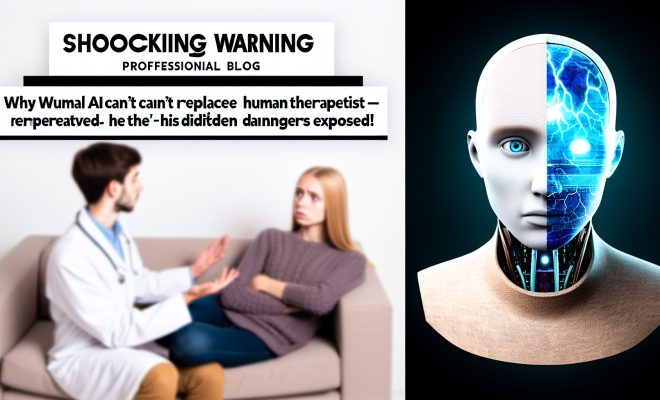
In an age dominated by technology, the rise of artificial intelligence (AI) has transformed how we access information and services, including mental health treatment. Although AI chatbots offer intriguing benefits, a growing chorus of experts warns that they are no substitute for human therapists. This article delves into the critical reasons why relying on AI for mental health support carries significant risks, potentially leading to devastating consequences for vulnerable individuals.
The Rise of AI in Mental Health
The integration of AI into mental health care has surged in recent years. With the convenience of 24/7 access, cost-free consultations, and a non-judgmental approach, AI chatbots have become appealing alternatives for those seeking immediate help. However, this technology can provide misleading information and unsafe advice, raising alarm among mental health professionals.
Dr. Shah’s Insights
Dr. Shah, a psychiatrist from Baylor College of Medicine, has been vocally critical of the growing reliance on AI for mental health support. He underscores that while chatbots may seem like a helpful tool, they lack the emotional understanding that only a trained human can provide. “AI can’t replicate the nuanced interactions and emotional intelligence inherent in human conversation,” he stated. This limitation raises concerns about the potential for AI to inadvertently encourage harmful behaviors.
Understanding the Limitations of AI
Despite their rapid development, AI chatbots are fundamentally limited in several key areas:
- Emotional Insight: AI lacks the ability to empathize and understand emotional complexities. Human therapists can intuitively grasp a person’s emotional state, which is critical for effective therapy.
- Contextual Awareness: AI may misinterpret or overlook vital social and cultural contexts that inform an individual’s mental health needs. This can lead to misguided advice or recommendations that do not align with a user’s circumstances.
- Risk of Misinformation: Chatbots can deliver inaccurate information, leading users to make harmful decisions. Unlike professionals who rely on extensive training and experience, AI’s responses are based on algorithms and data that may not always be up-to-date or accurate.
- Lack of Accountability: There is no recourse when AI provides poor advice. Human therapists are bound by ethical guidelines and can be held accountable for their suggestions, whereas AI systems are not.
The Emotional Disconnect
One of the most significant drawbacks of AI chatbots is their inability to establish a genuine emotional connection. Human therapists engage in active listening, offering validation and support that AI simply cannot replicate. This emotional bond is critical for effective therapy, enabling individuals to feel heard and understood. The absence of such a connection can leave individuals feeling isolated, further exacerbating mental health issues.
The COVID Connection
The pandemic has heightened concerns surrounding mental health, leading to increased rates of anxiety and depression. Dr. Shah draws parallels between the social isolation experienced during COVID-19 and the emotional detachment that can arise from reliance on AI for mental health support. He describes this phenomenon as “touch starvation,” where the lack of physical and emotional interaction can lead to deeper psychological issues.
As individuals turned to AI for support during lockdowns, many found themselves struggling with feelings of loneliness and despair. The very technology designed to provide assistance may have inadvertently fueled these feelings, highlighting the risks of substituting human connection with automated responses.
FOMO in a Tech-Obsessed World
The rapid adoption of AI in various sectors has led to a fear of missing out (FOMO) among those who may feel pressured to embrace these technological solutions for mental health. Social media influencers and tech advocates often promote AI chatbots as the next big thing in therapy, creating a buzz that can overshadow the inherent risks.
This phenomenon leads to a widespread belief that seeking help from AI is not only acceptable but preferable, despite mounting evidence to the contrary. As more individuals turn to AI for therapeutic support, the potential for adverse outcomes continues to grow.
The Human Element in Therapy
At the core of effective therapy is the human element—the ability to connect, empathize, and understand. Human therapists utilize a wide range of techniques and methodologies tailored to individual needs, which AI simply cannot replicate. Whether through cognitive-behavioral therapy (CBT), dialectical behavior therapy (DBT), or other approaches, the human touch remains irreplaceable.
Building Trust and Rapport
Therapeutic relationships are built on trust and rapport. Human therapists work to create a safe space for their clients, encouraging open dialogue and vulnerability. This foundational trust is essential for clients to share their experiences and feelings without fear of judgment.
AI chatbots, on the other hand, can create a façade of understanding but lack the depth of relational engagement necessary for meaningful therapy. Users may find themselves responding to the bot as they would a friend, but the connection is superficial and ultimately unfulfilling.
The Case for Human Therapists
Despite the allure of AI, here are several compelling reasons to seek support from qualified human therapists:
- Personalized Care: Human therapists can tailor treatment plans to meet the unique needs of each client, considering their history, culture, and individual experiences.
- Comprehensive Assessment: Therapists conduct thorough assessments to understand their clients holistically, leading to more effective treatment.
- Adapting to Change: Human therapists can adapt their approaches in real-time, responding to cues and feedback from clients in ways that AI cannot.
- Long-Term Support: Human relationships in therapy can evolve over time, providing clients with consistent support as they navigate their mental health journeys.
Integrating AI as a Supplement, Not a Substitute
While the risks associated with AI in mental health care are clear, it is important to recognize that AI can still play a role in supporting mental health efforts. Dr. Shah suggests that AI could serve as a supplementary tool, assisting therapists in administrative tasks or providing general information about mental health resources.
However, this integration must be approached with caution. AI should never be viewed as a substitute for human connection, and individuals seeking mental health support must be encouraged to prioritize human interaction above all else.
Staying Informed and Aware
As the landscape of mental health support continues to evolve, it is vital for individuals to stay informed about the potential risks and benefits of AI. This awareness can empower people to make educated decisions regarding their mental health care.
Moreover, educational campaigns can help foster conversations around the importance of human therapists in mental health care, combating the narrative that AI is a one-size-fits-all solution.
Conclusion: A Call to Action
As AI technology progresses, the conversation surrounding its role in mental health care becomes increasingly urgent. While the convenience and accessibility of AI chatbots are appealing, the risks associated with emotional disconnect, misinformation, and the potential for harm cannot be overlooked.
It is imperative that individuals prioritize seeking help from qualified human therapists who can provide the empathy, understanding, and nuanced care that AI simply cannot offer. In a world where technology continues to permeate every aspect of life, we must remember the irreplaceable value of human connection in the realm of mental health.
Let us advocate for mental health solutions that prioritize understanding, empathy, and genuine connection—because when it comes to our emotional well-being, nothing can replace the human touch.