E Pluribus Unum: The Quest for Unity in a Polarized America
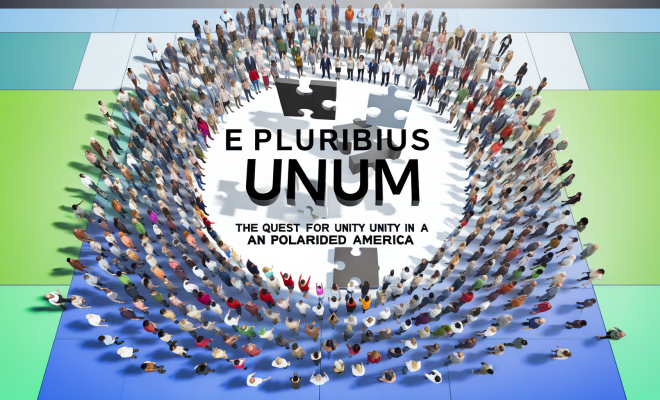
The U.S. national motto, E Pluribus Unum, which translates to “Out of Many, One,” encapsulates the essence of American identity and the founding principles of the nation. This phrase, prominently displayed on American currency, serves as a reminder of the unity that the country strives to achieve among its diverse population. However, as the United States grapples with increasing polarization and division, the interpretation and relevance of this motto have become more significant than ever.
Historical Significance of the Motto
Adopted in 1782, E Pluribus Unum was chosen to reflect the unity of the original thirteen colonies, which came together to form a single nation. The motto suggests that while the United States is composed of many different states, cultures, and backgrounds, it is vital to forge a cohesive national identity. This principle of unity has been foundational in American history, influencing the country’s approach to democracy, governance, and societal interaction.
Demographic Changes and Their Impact
In recent decades, the demographic landscape of the United States has undergone significant transformations. With an increasing number of immigrants and a growing multicultural population, the definition of what it means to be “American” is continually evolving. According to the U.S. Census Bureau, by 2045, the country is projected to become “minority white,” indicating a shift toward a more diverse society.
This demographic shift has sparked discussions about national identity and unity. The challenge lies in how to embrace this diversity while maintaining a sense of shared values and purpose. Some argue that the motto’s call for unity must adapt to reflect the changing demographics and the complexities they bring.
Technological Advancements and Polarization
Technological advancements have also played a crucial role in shaping public discourse and political engagement. Social media platforms facilitate the rapid spread of information, but they also amplify divisions. Algorithms often create echo chambers, where individuals are exposed primarily to views that align with their own, reinforcing existing beliefs and fostering polarization.
As a result, discussions around unity have become increasingly contentious. The motto E Pluribus Unum serves as a poignant reminder of the need for dialogue and understanding in a time when many Americans feel more divided than united.
Current Political Climate
The current political landscape reflects deep-seated divisions over issues such as immigration, healthcare, and economic policy. The growing polarization has led to a decline in bipartisan cooperation, raising questions about the future of governance in the United States.
Public opinion polls suggest that many Americans feel alienated from the political system. A recent survey by the Pew Research Center revealed that nearly 70% of Americans believe that the country is more divided than in previous years. This sentiment underscores the urgency for a renewed commitment to unity and collaboration.
Challenges to Unity
- Rising Political Extremism: Extremist ideologies on both ends of the political spectrum have gained traction, complicating efforts to find common ground.
- Media Influence: Sensationalized news coverage often focuses on conflict rather than solutions, shaping public perception and attitudes toward divisive issues.
- Generational Gaps: Younger generations often prioritize social justice and equity, which may clash with traditional views held by older Americans.
Reimagining Unity
In light of these challenges, reimagining what unity means in a diverse society is crucial. Community leaders, educators, and policymakers must engage in conversations that promote understanding and collaboration across differences. Initiatives that encourage dialogue between various demographic groups can help to bridge divides and foster a sense of belonging.
Moreover, educational programs aimed at teaching the importance of civic engagement and critical thinking can empower citizens to participate meaningfully in the democratic process. By nurturing an inclusive environment where diverse voices are heard, the United States can begin to embody the essence of E Pluribus Unum.
Conclusion
The motto E Pluribus Unum remains a powerful statement of the American experience, reminding citizens of the importance of unity in a diverse society. As the nation faces unprecedented challenges related to demographic changes, technological advancements, and political polarization, the call for unity has never been more pertinent. The pursuit of a cohesive identity, characterized by inclusivity and mutual respect, will be essential in shaping the future of the United States. By embracing this motto, Americans can work together toward a common purpose, ensuring that out of many, they can indeed become one.