The Edvocate

Top Menu

Main Menu

  • Start Here
    • Our Brands
    • Governance
      • Lynch Education Consulting, LLC.
      • Dr. Lynch’s Personal Website
      • Careers
    • Write For Us
    • Books
    • The Tech Edvocate Product Guide
    • Contact Us
    • The Edvocate Podcast
    • Edupedia
    • Pedagogue
    • Terms and Conditions
    • Privacy Policy
  • PreK-12
    • Assessment
    • Assistive Technology
    • Best PreK-12 Schools in America
    • Child Development
    • Classroom Management
    • Early Childhood
    • EdTech & Innovation
    • Education Leadership
    • Equity
    • First Year Teachers
    • Gifted and Talented Education
    • Special Education
    • Parental Involvement
    • Policy & Reform
    • Teachers
  • Higher Ed
    • Best Colleges and Universities
    • Best College and University Programs
    • HBCU’s
    • Diversity
    • Higher Education EdTech
    • Higher Education
    • International Education
  • Advertise
  • The Tech Edvocate Awards
    • The Awards Process
    • Finalists and Winners of The 2026 Tech Edvocate Awards
    • Finalists and Winners of The 2025 Tech Edvocate Awards
    • Finalists and Winners of The 2024 Tech Edvocate Awards
    • Finalists and Winners of The 2023 Tech Edvocate Awards
    • Finalists and Winners of The 2021 Tech Edvocate Awards
    • Finalists and Winners of The 2022 Tech Edvocate Awards
    • Finalists and Winners of The 2020 Tech Edvocate Awards
    • Finalists and Winners of The 2019 Tech Edvocate Awards
    • Finalists and Winners of The 2018 Tech Edvocate Awards
    • Finalists and Winners of The 2017 Tech Edvocate Awards
    • Award Seals
  • Apps
    • GPA Calculator for College
    • GPA Calculator for High School
    • Cumulative GPA Calculator
    • Grade Calculator
    • Weighted Grade Calculator
    • Final Grade Calculator
  • The Tech Edvocate
  • Post a Job
  • AI Powered Personal Tutor

logo

The Edvocate

  • Start Here
    • Our Brands
    • Governance
      • Lynch Education Consulting, LLC.
      • Dr. Lynch’s Personal Website
        • My Speaking Page
      • Careers
    • Write For Us
    • Books
    • The Tech Edvocate Product Guide
    • Contact Us
    • The Edvocate Podcast
    • Edupedia
    • Pedagogue
    • Terms and Conditions
    • Privacy Policy
  • PreK-12
    • Assessment
    • Assistive Technology
    • Best PreK-12 Schools in America
    • Child Development
    • Classroom Management
    • Early Childhood
    • EdTech & Innovation
    • Education Leadership
    • Equity
    • First Year Teachers
    • Gifted and Talented Education
    • Special Education
    • Parental Involvement
    • Policy & Reform
    • Teachers
  • Higher Ed
    • Best Colleges and Universities
    • Best College and University Programs
    • HBCU’s
    • Diversity
    • Higher Education EdTech
    • Higher Education
    • International Education
  • Advertise
  • The Tech Edvocate Awards
    • The Awards Process
    • Finalists and Winners of The 2026 Tech Edvocate Awards
    • Finalists and Winners of The 2025 Tech Edvocate Awards
    • Finalists and Winners of The 2024 Tech Edvocate Awards
    • Finalists and Winners of The 2023 Tech Edvocate Awards
    • Finalists and Winners of The 2021 Tech Edvocate Awards
    • Finalists and Winners of The 2022 Tech Edvocate Awards
    • Finalists and Winners of The 2020 Tech Edvocate Awards
    • Finalists and Winners of The 2019 Tech Edvocate Awards
    • Finalists and Winners of The 2018 Tech Edvocate Awards
    • Finalists and Winners of The 2017 Tech Edvocate Awards
    • Award Seals
  • Apps
    • GPA Calculator for College
    • GPA Calculator for High School
    • Cumulative GPA Calculator
    • Grade Calculator
    • Weighted Grade Calculator
    • Final Grade Calculator
  • The Tech Edvocate
  • Post a Job
  • AI Powered Personal Tutor
  • Brady’s Bold Claim: Is Modern Parenting ‘Screwing Up’ Our Kids?

  • The Astonishing Truth About Screen Time and Your Child’s Brain

  • Back to School: Five Topics to Watch in Education Policy

  • The Brutal Truth: AI Is Erasing Junior Jobs — Here’s How to Fight Back

  • The Staggering Truth: AI Adoption is Gutting Junior Roles While Skyrocketing Senior Opportunities

  • Why Junior Professionals MUST Upskill in AI NOW: A Staggering New Study Reveals All

  • The Troubling Truth About AI’s Impact on Jobs: Junior Roles Vanish as Senior Positions Soar

  • Shocking Cuts: Why These UK Universities Face a Brutal 2026

  • 8 Game-Changing Online Courses to Conquer University Strikes and Elevate Your Education

  • Your University Job Is On The Line: The Unsettling Truth About Staff Rights During Strikes

Uncategorized
Home›Uncategorized›AI Protein Folding: A Breakthrough for Autoimmune Disease Treatment

AI Protein Folding: A Breakthrough for Autoimmune Disease Treatment
By Matthew Lynch
May 9, 2026
0
Spread the love

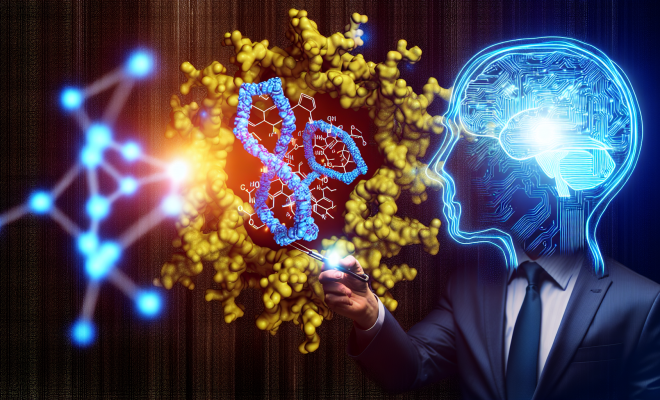
The landscape of autoimmune disease treatment may be on the verge of a revolutionary shift, thanks to groundbreaking research in AI protein folding. A collaborative team of immunologists and artificial intelligence researchers has unveiled significant findings that could transform our understanding of how misfolded proteins contribute to autoimmune conditions. Their study, recently published in Frontiers in Immunology, not only sheds light on previously elusive molecular interactions but also offers hope for effective therapeutic strategies against diseases like lupus, rheumatoid arthritis, and multiple sclerosis.

The Importance of Protein Folding in Health

Proteins are the workhorses of the cell, carrying out a vast array of functions from catalyzing metabolic reactions to providing structural support. However, the function of a protein is intrinsically linked to its three-dimensional structure, which is determined by the process of protein folding. Misfolded proteins can lead to dysfunction, triggering various diseases, including autoimmune disorders where the immune system mistakenly attacks the body’s own tissues.

Understanding Autoimmune Diseases

Autoimmune diseases such as lupus, rheumatoid arthritis, and multiple sclerosis arise when the immune system loses its ability to distinguish between self and non-self. The recent research indicates that misfolded proteins play a critical role in this process. By mapping these proteins’ interactions, the study provides clues about the mechanisms driving these debilitating conditions.

A Five-Year Research Effort

This monumental breakthrough is the result of a rigorous five-year research project that involved analyzing over 50,000 patient samples. The size and scope of this study emphasize the dedication to understanding the complexities of autoimmune diseases. The researchers employed advanced machine learning techniques to examine the molecular interactions of proteins, revealing configurations that were previously inaccessible to traditional analytical methods.

Machine Learning in Molecular Mapping

The use of artificial intelligence in this context is truly revolutionary. By harnessing the power of AI protein folding algorithms, researchers have generated computational models that can predict how proteins might misfold and even how these misfoldings can be reversed. This predictive capability opens the door to novel treatment avenues that could mitigate or even cure autoimmune conditions.

Implications for Disease Treatment

The implications of this research are vast. If specific misfolded proteins can be identified and addressed, it may be possible to develop targeted therapies that correct these misconfigurations. For patients suffering from autoimmune diseases, this could mean a significant reduction in symptoms or even a complete reversal of the disease process.

Potential Treatment Strategies

  • Targeted Biological Therapies: Tailoring treatments to target the misfolded proteins identified through AI analysis.
  • Personalized Medicine: Developing personalized treatment plans based on individual protein folding patterns.
  • Preventive Approaches: Using insights from protein interactions to prevent the onset of autoimmune conditions.

Broader Impact on Immunology

The findings are already generating considerable interest in the scientific community, with social media platforms buzzing with engagement. Hashtags like #ProteinFoldingBreakthrough are trending, indicating the excitement surrounding this research. Patients with autoimmune diseases are also actively sharing the news, creating a viral momentum as they seek information about potential treatments and cures.

The Future of Autoimmune Disease Research

The study’s outcomes are a clarion call for the future of autoimmune disease research. The integration of AI protein folding techniques into immunology could lead to a paradigm shift in how these diseases are approached therapeutically. As research progresses, the hope is that we will move towards a future where autoimmune diseases can be managed or even cured.

Challenges Ahead

While the prospect of using AI to tackle autoimmune diseases is exhilarating, challenges remain. Translating laboratory findings into clinical applications is a complex and often lengthy process. Researchers must navigate regulatory hurdles, conduct extensive clinical trials, and ensure that any new treatments are safe and effective.

The Path to Clinical Application

  • Regulatory Approval: Securing approval from health authorities will be crucial for any new therapies developed from this research.
  • Clinical Trials: Rigorous testing will be needed to ascertain the efficacy of proposed treatments.
  • Accessibility: Ensuring that new therapies are accessible and affordable for patients will be a priority.

Conclusion

The recent study on AI protein folding marks a monumental leap forward in the battle against autoimmune diseases. By harnessing the power of machine learning to uncover the intricate dance of proteins within the immune system, researchers are paving the way for innovative therapies that could fundamentally alter the course of treatment for millions of patients worldwide. As the scientific community continues to engage with these findings, the future looks promising for those affected by these debilitating conditions.

As this research unfolds, the hope is that we will not only gain a deeper understanding of autoimmune diseases but also translate this knowledge into effective treatments that can improve the quality of life for countless individuals. The journey may be long, but the possibilities are endless, making it an exciting time in the fields of immunology and artificial intelligence.


Previous Article

South Korea Travel: 7 Essential Tips for ...

Next Article

2026 Social Media Ad Trends: Reshaping Strategies ...

Matthew Lynch

Related articles More from author

  • Uncategorized

    9 Effective Ways to Support Dyslexic Students in Classrooms

    July 10, 2026
    By Matthew Lynch
  • Uncategorized

    Unbelievable Wins: New California Teachers Just Scored Big with These Grants and Benefits!

    August 5, 2026
    By Matthew Lynch
  • Uncategorized

    How Sneakers and SpaceX Are Igniting an AI Investment Frenzy

    June 19, 2026
    By Matthew Lynch
  • Uncategorized

    The Best Volcano Videos for Kids

    July 1, 2026
    By Matthew Lynch
  • Uncategorized

    Register Now for COMPUTEX 2026: AI & Startup Forum

    April 16, 2026
    By Matthew Lynch
  • Uncategorized

    The Best Kids Gifts for Children of All Ages – Atlas Obscura

    July 6, 2026
    By Matthew Lynch

Search

Registration and Login

  • Log in
  • Entries feed
  • Comments feed
  • WordPress.org

Newsletter

Signup for The Edvocate Newsletter and have the latest in P-20 education news and opinion delivered to your email address!

RSS feed: Matthew on Education Week Matthew on Education Week

  • Au Revoir from Education Futures November 20, 2018 Matthew Lynch
  • 6 Steps to Data-Driven Literacy Instruction October 17, 2018 Matthew Lynch
  • Four Keys to a Modern IT Approach in K-12 Schools October 2, 2018 Matthew Lynch
  • What's the Difference Between Burnout and Demoralization, and What Can Teachers Do About It? September 27, 2018 Matthew Lynch
  • Revisiting Using Edtech for Bullying and Suicide Prevention September 10, 2018 Matthew Lynch

About Us

The Edvocate was created in 2014 to argue for shifts in education policy and organization in order to enhance the quality of education and the opportunities for learning afforded to P-20 students in America. What we envisage may not be the most straightforward or the most conventional ideas. We call for a relatively radical and certainly quite comprehensive reorganization of America’s P-20 system.

That reorganization, though, and the underlying effort, will have much to do with reviving the American education system, and reviving a national love of learning.  The Edvocate plans to be one of key architects of this revival, as it continues to advocate for education reform, equity, and innovation.

Newsletter

Signup for The Edvocate Newsletter and have the latest in P-20 education news and opinion delivered to your email address!

Contact

The Edvocate
910 Goddin Street
Richmond, VA 23230
(601) 630-5238
[email protected]
  • situs togel online
  • dentoto
  • situs toto 4d
  • situs toto slot
  • toto slot 4d
Copyright (c) 2026 Matthew Lynch. All rights reserved.