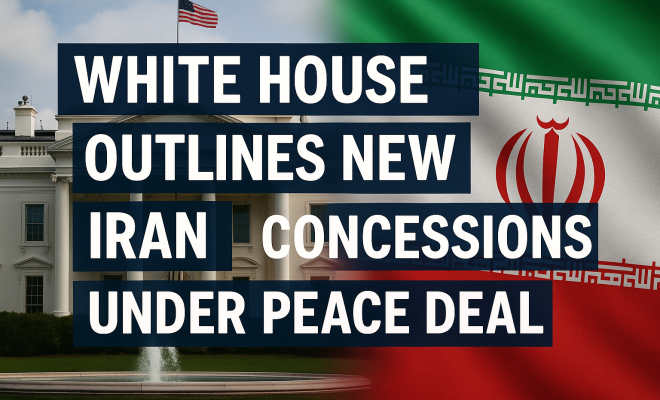
White House OUTLINES new Iran CONCESSIONS under peace deal
“`html
The Fragile Landscape of U.S.-Iran Relations
The recent U.S.-Iran peace deal has drawn significant attention, not just for its diplomatic implications but also for the potential cybersecurity risks it engenders. As Israel conducted airstrikes in Lebanon, the fragile peace that was painstakingly crafted faced immediate threats, underlining the precariousness of stability in the region. This dynamic is particularly alarming given the ongoing tensions between Israel and Hezbollah, which have historically been exacerbated by the geopolitical maneuverings of the United States and Iran.
With each military escalation comes the risk of cyber retaliation. In many cases, state-sponsored actors seize the opportunity to exploit chaos, often targeting critical infrastructure, government facilities, and private enterprises. The intersection of these military actions and cybersecurity issues raises critical questions about national security and the implications of the Iran peace deal.
The Role of Cybersecurity in International Relations
Cybersecurity has become a cornerstone of modern geopolitics. In today’s interconnected world, a nation’s cyber infrastructure is vulnerable to exploitation, particularly during times of heightened tension. As countries like Iran engage with the United States in diplomatic negotiations, the potential for cyber warfare increases significantly. The stakes are high, especially as these nations strive to assert their influence and protect their interests.
For instance, Iran has a well-documented history of using cyberattacks as a tool of statecraft. With attacks on U.S. financial institutions, energy sectors, and even global oil markets, Iran’s cyber capabilities raise alarms among international security experts. This reality prompts a deeper investigation into how the new Iran peace deal could be a double-edged sword, potentially escalating both diplomatic tensions and cyber conflicts.
The Recent Strikes: A Critical Moment
Just as the peace deal was being framed, Israeli airstrikes in Lebanon served as a stark reminder of the volatility in the region. Although immediate military action has since led to a renewed ceasefire, the underlying tensions between Israel and Hezbollah remain unresolved. The ceasefire, mediated by U.S. officials, highlights the delicate balance of power that characterizes the ongoing negotiations. It also illustrates how quickly peace can be disrupted by military action.
Such military events can trigger a wave of cyber operations as state-backed hackers leverage the situation to conduct reconnaissance, disrupt communications, or launch debilitating attacks. The risk of miscalculation or unintended consequences grows exponentially in this context, particularly when national pride and strategic interests are on the line.
Cybersecurity Concerns with the Iran Peace Deal
The Iran peace deal, while aimed at reducing military conflict, could inadvertently lead to a surge in cyberattacks. As nations jockey for position, the prospect of cyber warfare increases. The U.S. and its allies need to be vigilant against potential Iranian cyber responses, especially if the deal faces opposition from hardliners within Iran.
Organizations like the Cybersecurity and Infrastructure Security Agency (CISA) have already warned that heightened military actions can lead to cyber threats directed against critical infrastructure. This raises crucial questions about how prepared the U.S. is to defend against such attacks in the event of Iranian retaliation.
The Broader Implications of Cyber Warfare
The implications of cyber warfare are profound, impacting everything from national security to economic stability. Cyberattacks can disrupt essential services, including water supply systems, power grids, and healthcare facilities. For instance, the ransomware attack on Colonial Pipeline in 2021 had a cascading effect on fuel supply in the U.S., illustrating how vulnerable infrastructure can be to cyber threats.
In the context of the Iran peace deal, a successful cyber operation against U.S. interests could embolden Iran’s adversaries, potentially leading to retaliatory strikes that further destabilize the region. This cyclical nature of military conflict and cyber retaliation underscores the need for comprehensive strategies that address both kinetic and cyber warfare. (See: CDC on Cybersecurity Risks.)
Expert Perspectives on Cybersecurity Risks
Security experts emphasize the need for robust cybersecurity protocols as geopolitical tensions rise. Dr. David Sanger, a national security correspondent for The New York Times, notes that “as the U.S. engages with Iran, the potential for cyber operations escalates. The U.S. has to be prepared for every eventuality, including retaliation in cyberspace.”
Experts also highlight the necessity for international cooperation in cybersecurity. As state-sponsored cyber threats often transcend national borders, collaborative efforts among countries become essential. Initiatives like the Global Forum on Cyber Expertise (GFCE) aim to foster partnerships to build resilience against cyber threats, particularly in conflict-prone regions.
The Intersection of Diplomacy and Cybersecurity
Diplomacy and cybersecurity are increasingly intertwined. As nations negotiate peace deals, they must also consider the cybersecurity ramifications of their actions. The U.S.-Iran agreement is no exception. While the deal aims to promote stability, it could also be perceived as a weakness by adversaries, prompting cyberattacks as a show of strength.
Additionally, the dynamics of public opinion influence state behavior. With increasing scrutiny on government actions, cyber incidents can lead to public backlash and political ramifications. This complicates the already intricate web of diplomacy, as nations must navigate both international expectations and their own domestic political landscapes.
The Role of Technology in Cyber Defense
Advancements in technology play a crucial role in shaping the cybersecurity landscape. Nations must invest in cutting-edge technologies to bolster their defenses against potential cyber threats. Artificial intelligence (AI) and machine learning offer opportunities for predictive analytics, enabling organizations to identify vulnerabilities before they can be exploited.
Moreover, fostering a culture of cybersecurity awareness among citizens is vital. As individuals become increasingly reliant on technology, educating the public about safe practices can contribute to national resilience against cyber threats. Public-private partnerships can enhance these efforts, ensuring that both sectors work together to create a secure digital environment.
Preparing for a Possible Cyber Confrontation
As the Iran peace deal unfolds, it’s essential for the U.S. and its allies to prepare for potential cyber confrontations. This preparation includes not just defensive measures but also offensive capabilities to deter adversaries. Establishing clear rules of engagement in cyberspace will be crucial to avoid misunderstandings that could lead to escalation.
Furthermore, continuous monitoring of cyber threats is imperative. Intelligence agencies must remain vigilant, adapting strategies to counter emerging threats as they arise. The unpredictability of state-backed cyber operations means that proactive measures are essential to safeguarding national security.
Potential Cyber Targets Post-Peace Deal
With the new Iran peace deal, certain sectors may become prime targets for cyberattacks, particularly if tensions escalate. Critical infrastructure—such as utilities, transportation systems, and financial institutions—are increasingly interconnected with technology, making them vulnerable.
For example, in 2020, Iranian hackers targeted an Israeli water utility in a significant cyberattack that disrupted systems and raised alarms about the potential for real-world consequences. Similar attacks could be directed toward U.S. systems should the peace deal provoke a strong negative reaction from Iranian hardliners.
Furthermore, the defense sector could also be a target, particularly as both sides bolster their military capabilities in response to perceived threats. Any breach in this area could compromise sensitive information, leading to a significant advantage for adversaries.
Statistics on Cybersecurity Threats and Responses
The statistics surrounding cybersecurity threats are staggering. According to a report from Cybersecurity Ventures, global cybercrime damages are expected to exceed $10.5 trillion annually by 2025, up from $3 trillion in 2015. This growth illustrates the increasing sophistication and frequency of cyberattacks, emphasizing the urgent need for nations to bolster their defenses. (See: New York Times on U.S.-Iran Relations.)
A survey conducted by the Ponemon Institute revealed that 60% of organizations worldwide experienced a data breach in the past year, with an average cost of $3.86 million per breach. These figures highlight the financial implications of cyber threats and serve as a wakeup call for organizations, especially those involved in sectors critical to national security.
Common Misconceptions About Cybersecurity
There are several misconceptions surrounding cybersecurity that can hinder organizations from effectively preparing for potential threats. One major misunderstanding is that cyberattacks only impact large companies or government entities. In reality, small to medium-sized enterprises (SMEs) are increasingly targeted, often lacking the resources to defend against sophisticated attacks.
Another common belief is that a single antivirus program is sufficient for protection. In truth, cybersecurity requires a layered approach that includes firewalls, intrusion detection systems, and employee training to recognize phishing attempts and other scams.
Frequently Asked Questions About Cybersecurity and the Iran Peace Deal
What is the potential impact of cyberattacks resulting from the Iran peace deal?
Cyberattacks resulting from the Iran peace deal could lead to significant disruptions in critical infrastructure, economic losses, and heightened tensions between nations. The interconnected nature of modern services means that an attack on one sector can have ripple effects throughout the economy.
How should organizations prepare for potential cyber threats stemming from geopolitical tensions?
Organizations should conduct comprehensive risk assessments, implement advanced security measures, and foster a culture of cybersecurity awareness among employees. Regularly updating software and conducting drills can help ensure that organizations are prepared to respond swiftly to incidents.
What role do international alliances play in cybersecurity?
International alliances are crucial for sharing intelligence, resources, and best practices in cybersecurity. Collaborative efforts can enhance each nation’s ability to defend against threats and respond effectively to incidents, reducing the likelihood of escalation into military conflict.
How can individuals contribute to national cybersecurity resilience?
Individuals can contribute by practicing safe online behavior, using strong, unique passwords, and being vigilant against phishing attempts. Public awareness campaigns can further educate citizens on the importance of cybersecurity, fostering a more resilient society.
What are the possible scenarios in which cyberattacks could escalate into military conflicts?
Cyberattacks could escalate into military conflicts in various scenarios. For instance, if a cyberattack cripples critical infrastructure in one nation, it may be interpreted as an act of war, provoking a military response. Additionally, if attackers are perceived to be state-sponsored, the targeted nation might retaliate with kinetic military force, leading to a broader conflict.
What measures can the U.S. government take to protect critical infrastructure from cyber threats?
The U.S. government can enhance cybersecurity for critical infrastructure through legislation, increased funding for cybersecurity initiatives, and collaboration with private sector partners. By establishing comprehensive cybersecurity frameworks and continuously upgrading technology defenses, the government can better protect vital systems from cyberattacks.
How do geopolitical tensions influence the tactics used by cybercriminals?
Geopolitical tensions often influence the tactics used by cybercriminals, as they may align their activities with the interests of their state sponsors. For example, during periods of heightened tensions, cybercriminals might focus on targeting sectors critical to national security, banking, or energy, utilizing sophisticated methods to achieve their goals. (See: BBC News on Middle East Tensions.)
What role does public perception play in shaping national cybersecurity policies?
Public perception can significantly shape national cybersecurity policies. If citizens are concerned about cyber threats, they may demand more robust protections, influencing government priorities and funding. Conversely, if awareness is low, cybersecurity might not receive the attention it requires, leaving critical vulnerabilities unaddressed.
Exploring Future Cybersecurity Strategies
Moving forward, nations must consider innovative strategies to navigate the evolving landscape of cybersecurity. This includes enhanced collaboration with the private sector, as many technological advancements come from private firms rather than government entities. By fostering a public-private partnership, countries can leverage the expertise and resources of private companies to bolster national security.
Additionally, establishing norms and agreements around cyberspace conduct could help mitigate the risks of escalation. For example, countries could engage in dialogue to agree upon acceptable behaviors in cyberspace, reducing the likelihood of misunderstandings that lead to conflict. Cyber confidence-building measures, such as transparency in cybersecurity capabilities, could also be beneficial.
The Importance of Cyber Hygiene
As the threats from cyberattacks grow, so does the importance of cyber hygiene among individuals and organizations. Regularly updating software, using two-factor authentication, and conducting security audits are essential practices that can significantly reduce vulnerabilities. Employees should also be trained to recognize phishing attempts and suspicious activity, creating a more aware workforce capable of defending against cyber threats.
Moreover, organizations can implement cybersecurity frameworks that incorporate lessons learned from past incidents. Adopting a proactive approach, rather than a reactive one, can enhance the organization’s ability to fend off attacks before they cause significant damage.
Conclusion: Navigating the Cybersecurity Landscape
The evolving dynamics of the U.S.-Iran peace deal highlight the critical intersection between geopolitics and cybersecurity. As military actions threaten the fragile peace, nations must remain vigilant against the potential for cyber warfare. The implications are profound, affecting not just national security but also economic stability and public safety.
In navigating this complex landscape, a multifaceted approach that combines diplomacy, cybersecurity, and technological innovation will be essential. As we move forward, the balance between peace and cybersecurity preparedness will define the future of international relations.
“`
Trending Now
- this guide on how mindfulness practices improve executive function and emotional regulation
- our breakdown of the relationship between object permanence and cognitive development in infants
- read the full story
- this guide on how scaffolding supports english language learners in elementary school
Frequently Asked Questions
What are the key points of the new U.S.-Iran peace deal?
The new U.S.-Iran peace deal outlines significant concessions aimed at stabilizing relations. It addresses diplomatic engagement while acknowledging the potential cybersecurity risks that arise from military tensions in the region, particularly involving Israel and Hezbollah.
How does the U.S.-Iran peace deal affect cybersecurity?
The U.S.-Iran peace deal raises concerns about cybersecurity as state-sponsored actors may exploit military escalations for cyberattacks. With Iran's history of targeting critical infrastructure, the deal's implications for national security and cyber warfare are significant.
What role does Israel play in U.S.-Iran relations?
Israel plays a critical role in U.S.-Iran relations, particularly as its military actions, such as airstrikes in Lebanon, can impact the fragile peace established by the U.S.-Iran deal. These actions can escalate tensions and influence the geopolitical landscape.
Why are cyberattacks a concern in U.S.-Iran negotiations?
Cyberattacks are a concern during U.S.-Iran negotiations because heightened tensions can lead to increased cyber warfare. Iran has a history of using cyberattacks as a tool of statecraft, targeting sectors like finance and energy, which poses risks to national security.
What are the implications of military escalations on the peace deal?
Military escalations can jeopardize the U.S.-Iran peace deal by creating instability, which may prompt retaliatory cyber actions. The ongoing tensions between Israel and Iran highlight the precariousness of the diplomatic efforts and the potential for increased conflict.
Agree or disagree? Drop a comment and tell us what you think.