Combat Middle School Bullying with Social Learning Theory
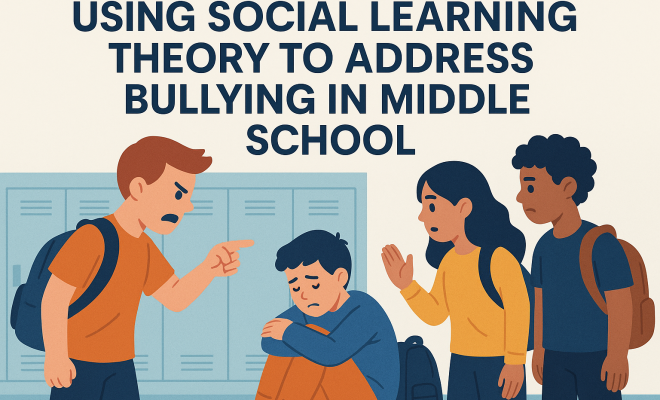
“`html
Understanding Social Learning Theory
Social Learning Theory (SLT), developed by psychologist Albert Bandura in the 1960s, emphasizes the importance of observational learning, imitation, and modeling in behavior development. Bandura proposed that people can learn new behaviors by watching others, particularly influential models. This theory suggests that learning is a social process, and individuals are not merely passive recipients of information; instead, they actively engage with their environment, absorbing cues and responses from those around them.
The core components of Social Learning Theory include attention, retention, reproduction, and motivation, all of which interplay to shape behavior. For instance, when a student observes a peer engaging in bullying, they may find the act rewarding or receive social approval, thereby increasing the likelihood that they will imitate that behavior. This dynamic is particularly significant in middle schools, where students are highly influenced by their peers.
The Prevalence of Bullying in Middle Schools
Bullying remains a pervasive issue in middle schools across the globe. According to the National Center for Educational Statistics, approximately 20% of students aged 12-18 reported being bullied at school in 2019. The implications of bullying are severe, affecting students’ mental health, academic performance, and overall well-being.
Middle school, a transitional phase for many students, is particularly vulnerable to bullying due to the social dynamics at play. Adolescents are negotiating their identities and often rely on peer approval, making them susceptible to engaging in or witnessing bullying behavior. This environment provides a fertile ground for Social Learning Theory to play a crucial role in understanding and addressing the issue.
Applying Social Learning Theory to Combat Bullying
Addressing bullying through the lens of Social Learning Theory involves several key strategies aimed at reshaping the social environment in schools. By promoting positive behaviors and discouraging negative ones, educators can leverage this theory to create a more supportive atmosphere.
1. Modeling Positive Behavior: Teachers and school staff should exemplify respectful and kind behavior, as students are likely to imitate adults they admire. By being role models, educators can demonstrate conflict resolution techniques and empathy in action, which students can then emulate.
2. Peer Mentoring Programs: Programs that foster peer mentorship can be particularly effective. By pairing older students with younger ones, schools can create a support system where positive behaviors are reinforced, and bullying is actively discouraged. This approach not only helps the mentees but also reinforces positive behavior in the mentors themselves.
3. Creating Safe Spaces: Establishing safe spaces for students to express their feelings and discuss their experiences with bullying can be invaluable. Such environments encourage open communication and enable students to share their experiences, thereby normalizing the conversation around bullying and reducing the stigma attached to it.
Implementing Programs Based on Social Learning Theory
Several programs and interventions have been developed based on Social Learning Theory to address bullying effectively. These initiatives focus on changing behaviors through education, modeling, and reinforcement.
1. The Olweus Bullying Prevention Program: This comprehensive approach to bullying prevention is grounded in Social Learning Theory. It includes school-wide policies, classroom activities, and parent involvement. Teachers are trained to recognize bullying behaviors and intervene effectively, while students learn about the impact of bullying and how to stand up against it.
2. The Second Step Program: This program focuses on social-emotional learning and emphasizes empathy, problem-solving, and communication skills. By teaching students these skills, the program aims to reduce bullying and promote a positive school climate. Lessons are designed to be interactive, allowing students to practice new behaviors in a supportive setting.
3. Restorative Practices: Implementing restorative practices in schools allows for a proactive approach to conflict resolution. Rather than traditional disciplinary measures, restorative practices encourage dialogue between the involved parties—bully and victim—to foster understanding and accountability. This method reinforces positive behavior and helps build a supportive school community. (See: National Center for Educational Statistics data.)
Key Considerations for Educators
When applying Social Learning Theory to bullying prevention, educators should remain vigilant and adaptable. Here are some key considerations:
- Understanding Group Dynamics: Recognizing how peer groups influence behavior is essential. Educators should understand that bullying often occurs within group contexts and that group norms can either condone or discourage such behaviors.
- Encouraging Bystander Intervention: Bystanders play a critical role in bullying dynamics. Educating students on how to intervene safely can help shift the social norms surrounding bullying. Encouraging bystanders to report incidents or support victims can create a more proactive community.
- Regular Training and Workshops: Continuous professional development for educators on the latest bullying prevention strategies grounded in Social Learning Theory is crucial. Workshops can keep teachers informed about the most effective methods for creating supportive learning environments.
Engaging Parents and the Community
While schools play a vital role in addressing bullying, parental involvement is equally important. Parents can reinforce positive behaviors at home, creating a consistent message about the importance of kindness and respect. Here are some strategies for engaging parents:
1. Parent Workshops: Schools can organize workshops for parents to educate them about bullying, its effects, and how to support their children. Providing resources and strategies to recognize signs of bullying can empower parents to be proactive.
2. Open Communication Channels: Schools should maintain open lines of communication with parents about bullying incidents and prevention efforts. This transparency builds trust and encourages parental involvement in school activities.
3. Community Partnerships: Collaborating with local organizations and mental health professionals can enhance anti-bullying initiatives. These partnerships can provide additional resources and support to both students and families.
Measuring the Impact of Interventions
To assess the effectiveness of programs based on Social Learning Theory, schools need to implement regular evaluations. Measuring the impact of interventions can provide valuable insights for continuous improvement. Here are some methods for evaluation:
- Surveys and Questionnaires: Conducting regular surveys among students, parents, and staff can gauge the climate of the school and identify areas for improvement.
- Focus Groups: Organizing focus groups with students can provide qualitative feedback on bullying experiences and the effectiveness of the interventions in place.
- Incidence Tracking: Keeping track of reported bullying incidents before and after implementing interventions can provide quantitative data on the effectiveness of programs.
The Role of Technology in Bullying
In today’s digital age, bullying has evolved with the rise of technology. Cyberbullying has become a significant concern, especially among middle schoolers who are increasingly active online. Social Learning Theory can also apply in this context, as students observe and imitate online behaviors. Addressing cyberbullying requires a multifaceted approach:
1. Digital Citizenship Education: Schools should incorporate lessons on responsible technology use, emphasizing the importance of respectful online behavior. Educating students about the consequences of cyberbullying can discourage such actions.
2. Monitoring Online Interactions: Encouraging parents to monitor their children’s online activities can help catch instances of cyberbullying early. Open discussions about online interactions can also foster awareness and reduce the likelihood of such behavior.
3. Reporting Mechanisms: Schools should establish clear channels for reporting cyberbullying incidents, ensuring students feel safe to come forward without fear of retaliation.
Current Relevance of Social Learning Theory in Bullying Prevention
As awareness of mental health issues and the consequences of bullying continues to grow, the application of Social Learning Theory remains as relevant as ever in middle schools. Educators, parents, and communities must come together to create an environment conducive to positive social interactions.
By embracing the principles of Social Learning Theory, schools can effectively shape behaviors and cultivate a culture of respect and empathy. The importance of intervention and prevention cannot be overstated, especially in the formative years of middle school when social dynamics are at their peak.
Ultimately, the goal is to create safe spaces where students can learn, grow, and thrive, free from the shadows of bullying. Through consistent effort, collaboration, and the application of effective educational strategies, we can combat bullying and foster a supportive community in middle schools.
Understanding the Mechanisms of Social Learning Theory in Bullying
To better grasp how Social Learning Theory applies to bullying, it’s essential to explore its mechanisms. Bandura’s framework emphasizes that individuals learn from the consequences of their actions. This principle means that if a student witnesses a peer bullying another, and that bullying goes unpunished or even leads to social rewards (like popularity), the observer is likely to conclude that such behavior is acceptable. Conversely, if negative behaviors lead to consequences, such as social isolation or punishment, students may be less likely to engage in those behaviors. (See: CDC resources on youth bullying.)
For instance, studies indicate that children who observe the negative consequences of bullying—such as the emotional distress of the victim—are less likely to engage in similar behavior. The feedback loop of observed behavior and witnessed outcomes reinforces the learning experience. This dynamic illustrates the critical role of supportive interventions that publicly acknowledge and address bullying behaviors, thereby reducing their incidence.
Statistics on Bullying and Its Impact
The statistics surrounding bullying are alarming and demonstrate the urgent need for effective interventions. A research report from the National Academies of Sciences, Engineering, and Medicine highlighted that bullying can lead to long-term mental health effects, including anxiety and depression. Here are some notable statistics:
- Nearly 30% of students in the U.S. in grades 6-12 experienced bullying in the 2019-2020 school year.
- Victims of bullying are 2 to 9 times more likely to consider suicide than non-victims, depending on the severity of the bullying.
- About 70.6% of young people say they have seen bullying in their schools, yet only 20-30% of students who are bullied report it to an adult.
These statistics underscore the necessity of fostering a culture of awareness and action around bullying, leveraging the principles of Social Learning Theory to effect change.
Examples of Effective Social Learning Theory-Based Programs
Numerous programs around the world have successfully implemented Social Learning Theory principles to combat bullying. Here are a few noteworthy examples:
- KiVa Program: Developed in Finland, the KiVa Program is a school-based anti-bullying initiative that adopts a whole-school approach. The program includes training for teachers, resources for students, and a clear reporting system for bullying incidents. It aims to change the school climate to prevent bullying behavior from being normalized.
- Positive Behavioral Interventions and Supports (PBIS): This framework encourages schools to promote positive behavior through clear expectations and consistent reinforcement. By recognizing and rewarding positive behaviors, students are more likely to internalize these behaviors and contribute to a more respectful school environment.
- Social Skills Training: Programs that focus on teaching social skills, conflict resolution, and empathy can effectively reduce bullying behavior. For example, the “Steps to Respect” program teaches children how to recognize bullying, respond appropriately, and support peers who are victimized.
Expert Perspectives on Bullying and Social Learning Theory
Experts in psychology and education emphasize the significance of understanding bullying through the lens of Social Learning Theory. Dr. Michele Borba, an educational psychologist and author, points out that children learn deeply from their environments. “If we want children to learn empathy and kindness, we must model those behaviors consistently,” she asserts. This perspective highlights the necessity for educators to embody the very values they wish to instill in their students.
Similarly, Dr. Dan Olweus, a pioneer in bullying prevention research, emphasizes that effective interventions must involve the entire school community. “Reducing bullying requires a change in school culture, and that starts with adult behavior,” he notes. This underscores the critical role of teachers and staff in shaping positive behavioral norms through their actions.
Frequently Asked Questions about Social Learning Theory and Bullying
What is Social Learning Theory?
Social Learning Theory is a psychological framework that suggests individuals learn behaviors through observation, imitation, and modeling. It emphasizes the role of social context in the learning process.
How does Social Learning Theory relate to bullying?
Social Learning Theory explains that students can learn bullying behaviors by observing others, especially if those behaviors appear to be rewarded. Conversely, witnessing negative consequences for bullying can deter such behavior.
What are some effective strategies to prevent bullying based on Social Learning Theory?
Effective strategies include modeling positive behavior, implementing peer mentoring programs, creating safe spaces for conversation, and engaging parents and the community in anti-bullying efforts.
How can schools measure the success of their bullying prevention programs?
Schools can measure success through surveys, focus groups, and tracking incidents of bullying before and after implementing interventions. Regular evaluations can help refine strategies and improve effectiveness.
Why is parental involvement crucial in combating bullying?
Parental involvement is vital as parents reinforce the messages of kindness and respect at home, collaborate with schools for consistent anti-bullying messages, and support their children in recognizing and addressing bullying.
The Future of Bullying Prevention through Social Learning Theory
The future of bullying prevention looks promising as schools increasingly adopt frameworks like Social Learning Theory. By prioritizing social-emotional learning, fostering positive peer interactions, and training educators to model appropriate behaviors, we can create safer and more inclusive school environments. The integration of technology into educational programs can also enhance learning about digital citizenship and responsible online behavior, further curbing cyberbullying.
As research continues to evolve, it’s crucial for educators and policymakers to stay informed about effective strategies and adapt to the changing landscape of bullying, ensuring that every student can thrive in a supportive atmosphere. With collective effort, we can harness the principles of Social Learning Theory to cultivate a culture of empathy and respect in schools everywhere.
Social Learning Theory: A Deeper Dive into Observational Learning
To fully appreciate Social Learning Theory, it’s useful to unpack the concept of observational learning in greater depth. This type of learning occurs when individuals model behaviors they observe in others. Bandura’s famous “Bobo doll” experiment showcased how children imitated aggressive behaviors they witnessed in adults. This experiment highlighted the powerful influence of role models, suggesting that children observing aggressive behaviors are more likely to engage in similar actions themselves.
In the context of bullying, if students regularly witness peers bullying others without intervention, they may come to see such behavior as acceptable or even desirable. Conversely, when students observe peers using non-violent conflict resolution methods effectively, they are more likely to adopt those strategies themselves. The challenge for educators is to ensure that positive behaviors are consistently modeled and recognized within the school environment.
Engaging Students in Antibullying Efforts
Involving students in the fight against bullying can significantly enhance the effectiveness of Social Learning Theory-based initiatives. Empowering students to take ownership of their environment fosters a sense of responsibility and connection within the school community. Here are a few strategies for engaging students:
- Peer-led Initiatives: Allowing students to lead anti-bullying campaigns can be highly effective. When students are involved in creating the messaging and delivering it to their peers, they tend to feel more invested in the outcomes.
- Student Councils: Establishing student councils focused on bullying prevention can help amplify student voices. These councils can be platforms for students to express their concerns, share ideas, and implement changes within the school.
- Interactive Workshops: Workshops that involve role-playing scenarios related to bullying can provide students with the skills necessary to respond effectively. These workshops can also encourage discussions about empathy and the impact of bullying on victims.
Challenges in Implementing Social Learning Theory in Schools
Implementing Social Learning Theory within schools is not without its challenges. Resistance may come from staff who are skeptical of new methodologies or feel overwhelmed by current responsibilities. Additionally, students might resist change if they are accustomed to certain social behaviors. Acknowledging these challenges is the first step toward overcoming them. Here are some strategies to address potential hurdles:
- Gradual Integration: Rather than imposing sweeping changes all at once, schools can gradually integrate Social Learning Theory principles into their curriculum and policies. This approach allows staff and students to adjust over time.
- Ongoing Support: Providing continuous training and support for educators can help them feel more confident in applying new strategies. Regular check-ins can also provide opportunities for feedback and adjustments.
- Building a Collaborative Culture: Fostering a culture of collaboration among educators can enhance enthusiasm for adopting new methods. When teachers share ideas and strategies, they can collectively work towards a common goal of reducing bullying.
Building Empathy through Curriculum Design
Designing a curriculum that fosters empathy can significantly contribute to preventing bullying. Integrating social-emotional learning (SEL) into existing subjects encourages students to reflect on their emotions and the feelings of others. Here are some curriculum design ideas that promote empathy:
- Literature and Storytelling: Incorporating books and stories that explore themes of friendship, conflict resolution, and empathy can help students relate to characters and understand different perspectives. Discussions surrounding these narratives can further deepen their understanding.
- Collaborative Projects: Assigning group projects where students must work together to achieve a common goal can build camaraderie and teach them the importance of collaboration. Through these experiences, students learn to appreciate the strengths of their peers, which can reduce instances of bullying.
- Mindfulness Practices: Incorporating mindfulness exercises into daily routines can help students develop self-awareness and emotional regulation. Programs that teach students to recognize their own feelings can translate into greater empathy for others.
Statistics on Bullying in Digital Spaces
With the rise of technology, understanding the dynamics of bullying in digital spaces is crucial. Cyberbullying statistics reveal that a significant number of students face harassment online:
- According to a 2021 survey by the Cyberbullying Research Center, 37% of young people between the ages of 12 and 17 have been bullied online.
- About 30% of adolescents report being involved in cyberbullying situations, either as victims or perpetrators.
- A staggering 59% of U.S. teens have experienced some form of cyberbullying.
These figures emphasize the need for schools to adapt their bullying prevention strategies to include digital citizenship training. Educators must ensure they address both in-person and online bullying to create a comprehensive approach to student safety.
“`
Trending Now
Frequently Asked Questions
What is Social Learning Theory?
Social Learning Theory, developed by Albert Bandura, emphasizes the role of observational learning, imitation, and modeling in behavior development. It suggests that individuals learn behaviors by watching others, particularly influential models, highlighting the social aspect of learning.
How does bullying affect middle school students?
Bullying in middle schools can significantly impact students' mental health, academic performance, and overall well-being. The transitional nature of middle school makes students particularly vulnerable to the negative effects of bullying, often leading to long-term consequences.
What are the main components of Social Learning Theory?
The core components of Social Learning Theory include attention, retention, reproduction, and motivation. These elements interact to influence behavior, particularly in social contexts, such as when students observe and imitate their peers.
Why is bullying prevalent in middle schools?
Bullying is prevalent in middle schools due to the social dynamics at play during this transitional phase. Adolescents seek peer approval and are influenced by their social environment, making them more likely to engage in or witness bullying behavior.
How can Social Learning Theory help reduce bullying?
Applying Social Learning Theory to reduce bullying involves implementing strategies that promote positive behaviors and provide students with role models. By fostering an environment where positive social interactions are rewarded, schools can mitigate the occurrence of bullying.
Agree or disagree? Drop a comment and tell us what you think.