The Edvocate

Top Menu

Main Menu

  • Start Here
    • Our Brands
    • Governance
      • Lynch Education Consulting, LLC.
      • Dr. Lynch’s Personal Website
      • Careers
    • Write For Us
    • Books
    • The Tech Edvocate Product Guide
    • Contact Us
    • The Edvocate Podcast
    • Edupedia
    • Pedagogue
    • Terms and Conditions
    • Privacy Policy
  • PreK-12
    • Assessment
    • Assistive Technology
    • Best PreK-12 Schools in America
    • Child Development
    • Classroom Management
    • Early Childhood
    • EdTech & Innovation
    • Education Leadership
    • Equity
    • First Year Teachers
    • Gifted and Talented Education
    • Special Education
    • Parental Involvement
    • Policy & Reform
    • Teachers
  • Higher Ed
    • Best Colleges and Universities
    • Best College and University Programs
    • HBCU’s
    • Diversity
    • Higher Education EdTech
    • Higher Education
    • International Education
  • Advertise
  • The Tech Edvocate Awards
    • The Awards Process
    • Finalists and Winners of The 2026 Tech Edvocate Awards
    • Finalists and Winners of The 2025 Tech Edvocate Awards
    • Finalists and Winners of The 2024 Tech Edvocate Awards
    • Finalists and Winners of The 2023 Tech Edvocate Awards
    • Finalists and Winners of The 2021 Tech Edvocate Awards
    • Finalists and Winners of The 2022 Tech Edvocate Awards
    • Finalists and Winners of The 2020 Tech Edvocate Awards
    • Finalists and Winners of The 2019 Tech Edvocate Awards
    • Finalists and Winners of The 2018 Tech Edvocate Awards
    • Finalists and Winners of The 2017 Tech Edvocate Awards
    • Award Seals
  • Apps
    • GPA Calculator for College
    • GPA Calculator for High School
    • Cumulative GPA Calculator
    • Grade Calculator
    • Weighted Grade Calculator
    • Final Grade Calculator
  • The Tech Edvocate
  • Post a Job
  • AI Powered Personal Tutor

logo

The Edvocate

  • Start Here
    • Our Brands
    • Governance
      • Lynch Education Consulting, LLC.
      • Dr. Lynch’s Personal Website
        • My Speaking Page
      • Careers
    • Write For Us
    • Books
    • The Tech Edvocate Product Guide
    • Contact Us
    • The Edvocate Podcast
    • Edupedia
    • Pedagogue
    • Terms and Conditions
    • Privacy Policy
  • PreK-12
    • Assessment
    • Assistive Technology
    • Best PreK-12 Schools in America
    • Child Development
    • Classroom Management
    • Early Childhood
    • EdTech & Innovation
    • Education Leadership
    • Equity
    • First Year Teachers
    • Gifted and Talented Education
    • Special Education
    • Parental Involvement
    • Policy & Reform
    • Teachers
  • Higher Ed
    • Best Colleges and Universities
    • Best College and University Programs
    • HBCU’s
    • Diversity
    • Higher Education EdTech
    • Higher Education
    • International Education
  • Advertise
  • The Tech Edvocate Awards
    • The Awards Process
    • Finalists and Winners of The 2026 Tech Edvocate Awards
    • Finalists and Winners of The 2025 Tech Edvocate Awards
    • Finalists and Winners of The 2024 Tech Edvocate Awards
    • Finalists and Winners of The 2023 Tech Edvocate Awards
    • Finalists and Winners of The 2021 Tech Edvocate Awards
    • Finalists and Winners of The 2022 Tech Edvocate Awards
    • Finalists and Winners of The 2020 Tech Edvocate Awards
    • Finalists and Winners of The 2019 Tech Edvocate Awards
    • Finalists and Winners of The 2018 Tech Edvocate Awards
    • Finalists and Winners of The 2017 Tech Edvocate Awards
    • Award Seals
  • Apps
    • GPA Calculator for College
    • GPA Calculator for High School
    • Cumulative GPA Calculator
    • Grade Calculator
    • Weighted Grade Calculator
    • Final Grade Calculator
  • The Tech Edvocate
  • Post a Job
  • AI Powered Personal Tutor
  • Why I Love the Middle School Talent Show

  • Unbelievable: This New Law Reveals the REAL Culprit Behind Kids’ Screen Addiction

  • The Troubling Truth Behind That Viral Nassau County Volleyball Match Incident

  • Explosive Ruling: California Judge Redefines Student Gender Identity Rights

  • Making School Lunch a Better and More Relaxing Social Experience

  • Jaw-Dropping Costs: Raising Kids in 2026 Will Break Your Budget — Here’s How to Survive

  • Dramatic Twist: West Virginia Child Abuse Bill Sparks Fierce Parental Rights Battle

  • This One AI Policy Could Be Catastrophic for Your Kid’s Future

  • Warning: Millions Face Skyrocketing Student Loan Payments — Act Now or Pay the Price

  • This Free Science Video and Lesson Plan Explains How Speakers Work

Uncategorized
Home›Uncategorized›Tropical Peatland Wildfires Surge to 2,000-Year High

Tropical Peatland Wildfires Surge to 2,000-Year High
By Matthew Lynch
March 19, 2026
0
Spread the love

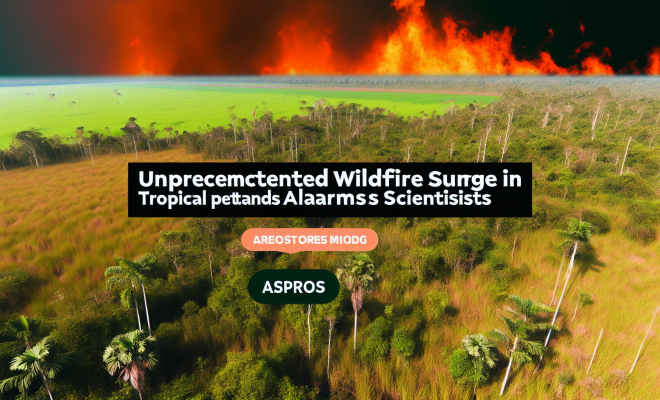
The fragile ecosystems of tropical peatlands, known for their rich carbon storage, are experiencing a catastrophic surge in wildfires, reaching levels not observed in the past 2,000 years. Researchers from the University have recently published findings that illustrate a striking reversal of the historical decline in such wildfires, highlighting the alarming implications for global carbon emissions and climate change.

The Rise of Tropical Peatland Wildfires

On March 19, 2026, the research team released a comprehensive study detailing how human activities have driven the increase in wildfires within these carbon-rich regions. Over the last two millennia, wildfires in tropical peatlands had steadily decreased, but recent trends indicate a dramatic uptick, largely attributed to anthropogenic factors.

Understanding Tropical Peatlands

Tropical peatlands are unique ecosystems formed from the accumulation of partially decayed organic matter, primarily in waterlogged conditions. These environments are crucial for biodiversity, serving as habitats for numerous species, and they play a significant role in carbon storage. According to the researchers, peatlands globally store approximately 550 gigatons of carbon, making them one of the most significant terrestrial carbon sinks.

The Current Crisis

The findings indicate that the number of wildfires in these regions has surged, with researchers documenting levels of fire activity that exceed any seen in the last two millennia. This trend can be linked to several key factors:

  • Land Use Change: The expansion of agriculture, logging, and infrastructure development has led to the draining of peatlands, making them more susceptible to fires.
  • Climate Change: Increasing temperatures and changing precipitation patterns due to climate change create drier conditions, further exacerbating the risk of wildfires.
  • Human Ignition Sources: Many wildfires are ignited intentionally for land clearing or accidentally through agricultural practices.

Environmental Impact of Peatland Wildfires

The surge in wildfires poses dire environmental consequences. When peatlands burn, they release significant amounts of carbon dioxide (CO2) into the atmosphere, contributing to global warming. The researchers emphasize that these emissions can negate years of carbon sequestration efforts, amplifying the greenhouse effect and accelerating climate change.

Health and Biodiversity Risks

Beyond climate implications, the wildfires threaten local biodiversity. The destruction of habitats can lead to the decline of various plant and animal species that depend on these unique ecosystems. Furthermore, the smoke and particulate matter released during wildfires can severely impact air quality, posing health risks to nearby communities.

Call to Action

The research team advocates for immediate action to mitigate the ongoing crisis. They urge governments and organizations to implement stringent regulations on land use practices, promote sustainable agriculture, and enhance conservation efforts for peatlands. The team believes that:

  • Restoration Initiatives: Investing in peatland restoration can help revive these ecosystems and their carbon storage capabilities.
  • Fire Management Strategies: Developing comprehensive fire management plans is crucial to prevent the ignition and spread of wildfires.
  • Community Engagement: Educating local communities about the importance of peatlands can foster better stewardship and sustainable practices.

The Role of Global Policies

International collaboration is essential to address the challenges posed by peatland wildfires. Policies that link climate change mitigation with biodiversity conservation can pave the way for more effective management of these ecosystems. The researchers emphasize that global commitments to reduce greenhouse gas emissions must consider the critical role of peatlands in the carbon cycle.

Conclusion

The recent surge in wildfires in tropical peatlands marks a concerning shift in the environmental landscape. As these ecosystems become increasingly vulnerable due to human activities and climate change, the implications for global carbon emissions and biodiversity are profound. The findings from the University researchers serve as a clarion call for immediate action to protect these vital ecosystems and ensure a sustainable future.


Previous Article

NASA Monitors 3 Asteroids Approaching Earth in ...

Next Article

EU Pressures TikTok: New Rules Demand Stricter ...

Matthew Lynch

Related articles More from author

  • Uncategorized

    Manor ISD Adopts myON to Close Literacy Gap

    September 20, 2016
    By Chris Piehler
  • Uncategorized

    Top Field Day Games & Activities for All Ages

    January 2, 2025
    By Matthew Lynch
  • Uncategorized

    Delhi High Court Blocks Google: Landmark Trademark Ruling 2023

    June 30, 2026
    By Matthew Lynch
  • Uncategorized

    Cargill Wins 2026 BIG AI Award for Agricultural Innovation

    April 3, 2026
    By Matthew Lynch
  • Uncategorized

    15 Cause and Effect Anchor Charts To Try In Your Classroom

    December 23, 2025
    By Matthew Lynch
  • Uncategorized

    Outrageous: How One Moab Luxury Resort’s Water Scandal Could Ruin Your Next Vacation

    August 6, 2026
    By Matthew Lynch

Search

Registration and Login

  • Log in
  • Entries feed
  • Comments feed
  • WordPress.org

Newsletter

Signup for The Edvocate Newsletter and have the latest in P-20 education news and opinion delivered to your email address!

RSS feed: Matthew on Education Week Matthew on Education Week

  • Au Revoir from Education Futures November 20, 2018 Matthew Lynch
  • 6 Steps to Data-Driven Literacy Instruction October 17, 2018 Matthew Lynch
  • Four Keys to a Modern IT Approach in K-12 Schools October 2, 2018 Matthew Lynch
  • What's the Difference Between Burnout and Demoralization, and What Can Teachers Do About It? September 27, 2018 Matthew Lynch
  • Revisiting Using Edtech for Bullying and Suicide Prevention September 10, 2018 Matthew Lynch

About Us

The Edvocate was created in 2014 to argue for shifts in education policy and organization in order to enhance the quality of education and the opportunities for learning afforded to P-20 students in America. What we envisage may not be the most straightforward or the most conventional ideas. We call for a relatively radical and certainly quite comprehensive reorganization of America’s P-20 system.

That reorganization, though, and the underlying effort, will have much to do with reviving the American education system, and reviving a national love of learning.  The Edvocate plans to be one of key architects of this revival, as it continues to advocate for education reform, equity, and innovation.

Newsletter

Signup for The Edvocate Newsletter and have the latest in P-20 education news and opinion delivered to your email address!

Contact

The Edvocate
910 Goddin Street
Richmond, VA 23230
(601) 630-5238
[email protected]
  • situs togel online
  • dentoto
  • situs toto 4d
  • situs toto slot
  • toto slot 4d
Copyright (c) 2026 Matthew Lynch. All rights reserved.