EU Pressures TikTok: New Rules Demand Stricter Content Moderation
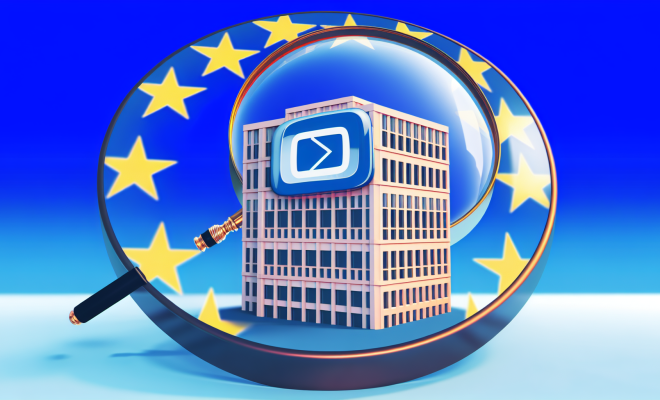
The European Union (EU) is ramping up its efforts to regulate social media platforms, particularly TikTok, by proposing new legislation aimed at enhancing content moderation systems. This initiative, unveiled by EU Digital Commissioner Thierry Breton, places a significant emphasis on protecting minors from harmful content and misinformation, a growing concern in the digital age.
The New Legislation and Its Objectives
Under the proposed regulations, TikTok and similar short-form video platforms will be required to implement more stringent content moderation policies within a tight timeline of 90 days. The legislation specifically targets harmful content directed at young users, addressing the increasing volume of inappropriate material that can proliferate on social media platforms.
This initiative arises from a broader recognition of the risks associated with algorithmic amplification, where harmful content can be easily disseminated to vast audiences, particularly minors who may be more vulnerable to such influences. The EU’s decision reflects a growing consensus among regulators worldwide that social media platforms must be held accountable for the content they host.
Concerns About Misinformation and Inappropriate Material
One of the driving forces behind the EU’s regulatory push is the concern about misinformation, especially in the context of events like elections and public health crises. Misinformation can spread rapidly on platforms like TikTok, leading to widespread confusion and potentially harmful behavior among users.
Breton emphasized the need for these new rules by stating, “We cannot allow algorithms to amplify harmful content, especially when it targets our children.” The EU’s proactive stance is indicative of a larger trend among governments seeking to impose stricter controls on social media to ensure user safety.
TikTok’s Response to Regulatory Pressure
In response to the proposed legislation, TikTok has expressed its commitment to working closely with EU regulators to comply with the new requirements. The platform, which has gained immense popularity in recent years, particularly among younger demographics, has faced mounting scrutiny regarding its data privacy practices and national security implications.
Despite this commitment, industry analysts caution that the implementation of these stricter content moderation rules could significantly increase operational costs for TikTok. The platform will likely need to invest heavily in advanced technologies and additional personnel to ensure compliance with the new regulations.
Implications for the Future of Social Media Regulation
The EU’s proposed legislation is part of a broader trend toward tighter regulation of social media platforms across the globe. Many countries are grappling with the challenges posed by the rapid evolution of digital communication and the need to protect users from harmful content.
- Increased Compliance Costs: Companies may face heightened operational expenses as they adapt to new regulations.
- Potential for Global Standards: The EU’s actions could inspire other regions to adopt similar regulatory frameworks.
- Impact on User Experience: Stricter moderation may lead to changes in how content is curated and displayed to users.
As the EU forges ahead with its legislative agenda, it remains to be seen how TikTok and other platforms will adapt to these changes. The regulatory landscape is evolving, and companies must navigate these new challenges while maintaining user engagement and trust.
Broader Context of Regulatory Scrutiny
The EU’s focus on TikTok is not occurring in isolation. The platform has faced criticism in multiple jurisdictions over its handling of user data and concerns regarding its ties to the Chinese government. These issues have raised alarms about national security and the potential misuse of personal information.
As regulators worldwide intensify their scrutiny of social media companies, TikTok’s ability to address these concerns will be critical for its future. The company is already under investigation in various countries, and any failure to meet new regulatory standards could lead to further legal action or sanctions.
Looking Ahead
The proposed EU legislation marks a significant turning point in the relationship between social media platforms and regulatory bodies. With increased emphasis on content moderation and user safety, TikTok and its peers will need to evolve rapidly to meet these demands.
As the digital landscape continues to change, stakeholders from various sectors—governments, tech companies, and advocacy groups—will need to collaborate to create a safer online environment. The future of social media will undoubtedly be shaped by these ongoing regulatory developments, and how platforms like TikTok adapt will play a crucial role in their sustainability.