Raising a Child Now Costs Over $300,000 in 2024 – Are You Ready?
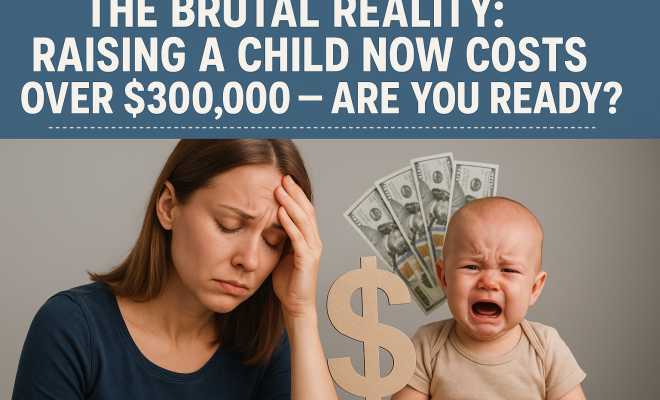
Alright, let’s talk numbers, because sometimes, the truth hits harder when you see the cold, hard facts. If you’re a parent, or even contemplating parenthood, you’ve probably heard whispers about the escalating cost of raising a child. Well, those whispers have coalesced into a thunderous roar. According to a recent LendingTree report, the cost of raising a child in the U.S. has officially breached the $300,000 mark for a middle-income family, reaching a staggering $303,418 through age 18. This isn’t just a slight bump; it’s a 1.9% increase from the previous year, pushing families into uncharted financial territory.
Think about that for a moment: $303,418. That’s not including college, mind you, just getting them to the cusp of adulthood. It averages out to roughly $16,857 annually. For many, that’s a significant chunk of change, and for some, it’s more than a year’s salary. This isn’t just a statistic; it’s a profound shift that impacts everything from family planning to housing choices, and it’s something every current and prospective parent needs to understand deeply. The cost of raising a child isn’t just a line item in a budget; it’s a foundational consideration for your family’s financial well-being.
1. The Staggering Total: Over $300,000 and Climbing
It’s official: the price tag for raising a child from birth to their 18th birthday has surpassed an astonishing $300,000. Specifically, LendingTree’s analysis puts the figure at $303,418 for a middle-income family. This isn’t just a round number; it’s a new benchmark, and it represents a significant leap from previous years. The 1.9% increase over the last year, while it might seem modest on its own, adds up quickly when you’re talking about a multi-decade commitment. This new figure, which climbed past the $300k threshold for the first time since 2023, puts immense pressure on household budgets across the nation.
What does this mean in practical terms? It means that if you’re earning, say, $75,000 a year, you’re essentially dedicating over four years of your gross income just to cover the basic expenses of one child until they turn 18. This doesn’t even begin to account for the indirect costs, the lost career opportunities for one parent, or the sheer mental and emotional labor involved. When we talk about the cost of raising a child, we’re not just discussing diapers and food; we’re talking about a monumental financial undertaking that demands careful planning and, for many, significant sacrifices.
2. The Early Years: A Financial Avalanche Averaging $29,325 Annually
If you think the total cost is daunting, let’s break it down by age, because not all years are created equal. The LendingTree report highlights a crucial point: the first five years of a child’s life are, by far, the most expensive. We’re talking about an average of approximately $29,325 per year during this period. Why such a colossal figure? The answer, overwhelmingly, is childcare. Those tiny bundles of joy, as adorable as they are, come with an incredibly high price tag for professional care.
Anyone who’s navigated the childcare market recently can tell you it’s less of a market and more of a financial gauntlet. Infant childcare, specifically, averages a mind-boggling $17,264 annually. Let that sink in. That’s more than many people pay for their mortgage or rent in a year, and it often rivals or even surpasses the cost of in-state public college tuition. This isn’t a minor expense; it’s often the single largest line item in a family’s budget, eclipsing housing, food, and transportation. The reality is, the younger the child, the more intensive and thus more expensive the care, creating an immediate and profound financial shockwave for new parents.
3. The Childcare Crisis: A 46.9% Surge Since 2021
The skyrocketing cost of childcare isn’t just a significant portion of the overall cost of raising a child; it’s a crisis in itself. The LendingTree data reveals a truly alarming trend: infant childcare costs have surged by an incredible 46.9% since 2021. This isn’t a gradual increase; it’s an explosion. Imagine nearly half your childcare budget disappearing in just two years. For families already stretched thin, this kind of increase is simply unsustainable and forces incredibly difficult choices.
This rapid escalation in childcare expenses goes far beyond what most families can reasonably absorb. The federal government recommends that families spend no more than 7% of their income on childcare. However, with costs like these, many, if not most, families are spending well over that threshold, often dedicating 20%, 30%, or even more of their income just to ensure their children are cared for while they work. This isn’t just a personal finance issue; it’s an economic one, costing the U.S. economy an estimated $172 billion annually in lost earnings and productivity because parents, predominantly mothers, are forced to reduce their work hours or leave the workforce entirely. It’s a systemic problem that demands systemic solutions.
4. Beyond Childcare: The Broader Economic Pressures
While childcare takes the lion’s share of the blame for the early years’ expenses, it’s not the only culprit driving up the overall cost of raising a child. We’re living in a period of sustained inflation, and everyday expenses continue to climb. Housing costs, in particular, have been on an upward trajectory for years, making it harder for families to find affordable homes, especially those with enough space for children. Food prices, transportation, healthcare, and utilities — every single category has seen significant increases, eroding purchasing power for families.
These broader economic pressures mean that even if childcare costs were to stabilize, families would still be grappling with an ever-tightening budget. When you factor in the cost of clothing, school supplies, extracurricular activities, and the occasional family vacation (which, let’s be honest, often feels like a necessity for sanity), the numbers add up quickly. It’s a compounding effect: higher childcare costs coupled with higher everything else means that the financial squeeze on parents is more intense than ever before.
5. The Domino Effect: Impact on Family Planning and Life Choices
When the cost of raising a child becomes so prohibitive, it inevitably has a profound impact on family planning decisions. We’re seeing more and more couples delaying parenthood, reducing the number of children they have, or even opting out of having children altogether. This isn’t just anecdotal; demographic trends show declining birth rates in many developed nations, and economic factors are undoubtedly a major contributor. For many, the dream of a large family simply isn’t financially viable anymore. (See: cost of raising a child.)
Beyond the number of children, these costs dictate other significant life choices. Where you live, for instance. Families might forgo living in a desired neighborhood or city due to exorbitant housing costs or a lack of affordable childcare options. Career paths are also affected, with one parent often making significant career sacrifices to reduce childcare expenses or to be more available for their children. It’s a constant balancing act, weighing financial realities against personal desires and societal expectations, and for many, the scales are tipping heavily towards financial constraint.
6. Budgeting in a High-Cost Environment: Strategies for Survival
Given these daunting figures, what’s a parent to do? The good news is that while the numbers are high, proactive budgeting and strategic financial planning can make a tangible difference. It starts with a comprehensive understanding of where your money is going. Track every dollar, especially in those expensive early years. Identify areas where you can cut back, even if it means small adjustments. Remember, small savings compounded over 18 years can add up to a substantial amount. For more context, see the financial impact of education and layoffs.
Consider exploring all available options for childcare. This might mean looking into in-home care, family daycare, co-op arrangements with other parents, or even adjusting work schedules to reduce the number of hours your child needs professional care. Don’t shy away from utilizing budgeting tools and apps, and if you’re feeling overwhelmed, consulting with a financial planner can provide invaluable guidance tailored to your specific situation. The goal isn’t just to survive, but to thrive, and that requires a clear financial roadmap.
7. Long-Term Planning: 529 Plans, Life Insurance, and Real Estate
The cost of raising a child doesn’t end at 18, especially if you envision college in their future. This is where long-term planning tools become absolutely essential. A 529 plan, for example, is a tax-advantaged savings plan designed to encourage saving for future education costs. Contributions grow tax-free, and withdrawals for qualified education expenses are also tax-free. Starting one early, even with modest contributions, can significantly ease the burden of college tuition down the line.
Life insurance is another critical component of family financial planning. While it doesn’t directly reduce the day-to-day cost of raising a child, it provides a vital safety net. Should something unforeseen happen to a primary earner, a robust life insurance policy ensures that your children’s financial needs, including that $303,418, are still met. Furthermore, real estate decisions play a huge role. Buying a home with good schools, even if it’s a stretch, can save you money on private education later. Conversely, ensuring your home is appropriately sized for your growing family avoids costly moves or renovations down the line. These aren’t just investments in property; they’re investments in your children’s future and your family’s stability.
8. Diving Deeper into the Cost Categories: Where Does the Money Go?
To truly get a handle on the cost of raising a child, we need to peel back the layers and look at the major spending categories. It’s not just childcare, though that’s a massive piece of the pie. The USDA, in its past analyses, broke down expenses into several key areas, and while the exact percentages might shift with current inflation, the categories remain largely the same. These include housing, food, transportation, clothing, healthcare, childcare/education, and miscellaneous expenses.
Housing
Housing typically represents the largest share of a family’s budget, and adding a child often means needing more space. This could translate to an extra bedroom, a larger home, or simply a higher proportion of rent or mortgage payments allocated to accommodate the child. Beyond the direct cost of a larger dwelling, there are increased utility bills – more laundry, more lights on, potentially higher heating or cooling needs. You’re not just paying for square footage; you’re paying for the infrastructure that supports family life.
Food
Those little mouths need a lot of food, and their nutritional needs change as they grow. The cost starts with formula or specialized baby food, then moves to toddler snacks, and eventually, the insatiable appetites of teenagers. Healthy food can be expensive, and family grocery bills can easily jump by hundreds of dollars a month. Think about school lunches, after-school snacks, and the occasional restaurant meal – it all adds up.
Transportation
From car seats to larger vehicles, children impact transportation costs significantly. There’s the initial investment in safety gear, then the increased fuel costs for chauffeuring kids to school, sports, playdates, and doctor’s appointments. Public transportation might not always be feasible or convenient, pushing families towards car ownership or increased ride-sharing expenses. Factor in potential car insurance increases with new drivers down the line, and transportation becomes a substantial and ongoing expense.
Healthcare
Children, especially young ones, need regular doctor visits, vaccinations, and sometimes unexpected trips to the ER. Even with good insurance, co-pays, deductibles, and out-of-pocket expenses for prescriptions or specialist visits can quickly accumulate. Dental and vision care also become important as they grow. A healthy child is a blessing, but maintaining that health comes with a financial obligation.
Clothing
Kids grow fast, sometimes seemingly overnight. This means constantly buying new clothes, shoes, and outerwear. While hand-me-downs and second-hand stores can help, there’s a continuous need for items to fit their ever-changing sizes and keep up with wear and tear from active play. Special occasions, school events, and seasonal changes also necessitate new wardrobes.
Childcare/Education
We’ve already touched on childcare, but it’s worth reiterating its immense impact. Beyond daycare, there are costs associated with preschool, private school tuition (if chosen), school supplies, textbooks, field trips, and eventually, college savings. Educational enrichment activities like tutors, music lessons, or sports camps also fall into this category, representing significant investments in a child’s development.
Miscellaneous Expenses
This is the catch-all category that includes everything from diapers and toiletries to toys, entertainment, haircuts, allowances, and gifts. It also covers things like sports equipment, club memberships, birthday parties, and family vacations. These seemingly smaller expenses, when tallied up over 18 years, contribute substantially to the overall cost of raising a child. (See: escalating cost of raising children.)
9. Regional Variations: Where You Live Matters Immensely
The national average of $303,418 for the cost of raising a child is a powerful figure, but it’s crucial to remember that it’s an average. The actual cost can vary dramatically depending on where you live in the United States. A family raising a child in a high-cost-of-living area like New York City or San Francisco will face a much steeper financial climb than a family in a more rural or affordable state.
Think about housing costs alone. A modest apartment in Manhattan can easily cost more than a sizable house in a Midwestern town. Childcare costs are similarly localized; daycare in Boston or Seattle will likely be significantly more expensive than in, say, Oklahoma City. Transportation, food prices, and even local taxes can fluctuate widely. This regional disparity means that while the national average provides a useful benchmark, individual families must consider their specific geographic context when budgeting for a child. Some states offer more robust public services or subsidies, which can indirectly lower costs, while others leave families to shoulder more of the burden. Understanding your local economic landscape is paramount. For more context, see the looming financial challenges for teachers.
10. The Hidden Costs: Opportunity and Emotional Labor
While the $303,418 figure focuses on direct financial outlays, it doesn’t capture the full economic picture. There are significant “hidden” costs, primarily related to lost income and career opportunities, particularly for mothers. When one parent reduces work hours, takes a lower-paying but more flexible job, or leaves the workforce entirely to care for children, that’s a direct loss of income and potential retirement savings. This “opportunity cost” can easily amount to hundreds of thousands of dollars over a lifetime, far exceeding the direct expenses.
Beyond the financial, there’s the immense emotional labor and time commitment involved in parenting. This isn’t something you can put a price tag on, but it’s a real factor that impacts parents’ well-being, stress levels, and ability to pursue personal goals. The mental load of managing schedules, doctor appointments, school projects, and emotional support is constant. Recognizing these hidden costs helps paint a more complete picture of the true investment involved in raising a child.
11. Government Support and Policy Solutions: A Role for the State?
The escalating cost of raising a child isn’t just a private family problem; it has broader societal implications. Declining birth rates, increased poverty among families, and workforce participation challenges all point to a need for systemic solutions. Many other developed nations offer more robust government support for families, such as universal childcare, paid parental leave, and child tax credits or allowances.
In the U.S., while some programs exist, they often fall short of addressing the full scope of the financial burden. Policies like an expanded Child Tax Credit, investments in affordable childcare infrastructure, and federal mandates for paid family leave could significantly alleviate financial pressure on parents. Advocating for these kinds of policy changes isn’t just about helping individual families; it’s about investing in the future of our society and ensuring that parenthood remains an achievable dream for all, not just the wealthy.
12. Expert Perspectives: What Financial Advisors Say
I’ve spoken with many financial advisors over the years, and their consensus on the cost of raising a child is clear: it’s a marathon, not a sprint, and preparation is key. They often emphasize starting early with savings, even if it’s just a small amount. The power of compound interest is a parent’s best friend when it comes to long-term goals like college savings.
Many advisors also stress the importance of an emergency fund before starting a family. Unexpected costs, from medical emergencies to job loss, can derail even the best-laid plans. Having 3-6 months of living expenses saved can provide a crucial buffer. They also recommend reviewing and updating your budget regularly, as a child’s needs and associated costs change dramatically over time. Finally, they often suggest exploring tax advantages, such as Flexible Spending Accounts (FSAs) or Health Savings Accounts (HSAs) for medical expenses, and Dependent Care FSAs for childcare costs, which can offer significant savings.
Frequently Asked Questions About the Cost of Raising a Child
Q1: Is the $303,418 figure for raising a child accurate for every family?
A1: No, it’s an average for a middle-income family in the U.S. It’s a useful benchmark, but actual costs can vary significantly. Factors like income level, geographic location (cost of living), lifestyle choices, and the number of children you have will all influence your specific expenses. Families in high-cost areas or those opting for private schools, for example, will likely spend much more.
Q2: Does the $303,418 cost include college education?
A2: No, this figure specifically covers expenses from birth through age 18. The cost of college is a separate, significant financial undertaking that families need to plan for independently, often through savings vehicles like 529 plans.
Q3: Why are the first five years of a child’s life so expensive?
A3: The primary driver of high costs in the early years is childcare. Infant and toddler childcare can be incredibly expensive, often rivaling or exceeding mortgage payments or college tuition. Diapers, formula, and other baby essentials also contribute, but childcare is usually the largest expense. For more context, see the cost implications for educators. (See: financial implications of parenting.)
Q4: What’s the biggest factor driving up the cost of raising a child recently?
A4: The LendingTree report highlights a massive 46.9% surge in infant childcare costs since 2021. Alongside this, broader inflation affecting housing, food, and transportation has also contributed significantly to the overall increase.
Q5: How can families cope with these rising costs, especially for childcare?
A5: Proactive budgeting is essential. Explore all childcare options, including in-home care, family daycare, co-op arrangements, and adjusting work schedules. Utilizing budgeting tools, seeking advice from financial planners, and exploring potential government subsidies or tax credits for childcare can also help.
Q6: Are there any tax benefits or government programs that help with the cost of raising a child?
A6: Yes, there are several. The Child Tax Credit provides a tax break for eligible families. Flexible Spending Accounts (FSAs) or Health Savings Accounts (HSAs) can help with medical expenses, and Dependent Care FSAs can reduce the taxable income used for childcare. Eligibility and amounts vary, so it’s always wise to consult a tax professional.
Q7: What are some long-term financial planning tools parents should consider?
A7: A 529 plan is excellent for college savings, offering tax advantages. Life insurance is crucial for providing a financial safety net in case of an unforeseen event. Additionally, making smart real estate decisions (e.g., buying in good school districts) can also be a long-term investment in your child’s future and your family’s financial stability.
Q8: Besides direct financial costs, what other “hidden” costs should parents be aware of?
A8: Significant hidden costs include opportunity costs, such as lost income or career advancement for a parent (often mothers) who reduces work hours or leaves the workforce for childcare. There’s also the immense emotional labor, time commitment, and mental load involved in managing a family, which, while not monetary, is a real cost to parents’ personal resources.
Q9: Does having more children reduce the per-child cost?
A9: To some extent, yes, there can be economies of scale. You might reuse clothing, toys, or baby gear. A larger home purchased for one child might accommodate subsequent children without needing another move. However, many costs, like food, healthcare, and individual extracurricular activities, will still increase with each additional child. Childcare costs are also generally per child.
Q10: How does location affect the cost of raising a child?
A10: Location is a huge factor. High-cost-of-living areas, typically major metropolitan centers, will have significantly higher expenses for housing, childcare, and even some goods and services compared to rural or more affordable regions. It’s vital to research local costs when planning your family budget.
The reality of raising a child in today’s economic climate is undoubtedly challenging, with a price tag that might make even the most seasoned financial planners wince. But understanding the true cost of raising a child, and proactively planning for it, is the first and most crucial step in navigating this journey successfully. It’s not about deterring parenthood, but empowering parents with the knowledge and tools to ensure their children, and their families, can flourish amidst these significant financial demands.
Trending Now
- our breakdown of 7 mba programs with ai focus that are quietly reshaping careers
- Why Robert Morris University’s MBA Just Blew Past Traditional Programs
- the complete explanation
- the complete explanation
- this guide on the unseen fallout: how university layoffs are devastating lives – and what you can do now
Frequently Asked Questions
How much does it cost to raise a child in the U.S.?
According to a recent LendingTree report, the cost of raising a child in the U.S. has officially surpassed $300,000, reaching approximately $303,418 for a middle-income family up to age 18. This reflects a significant financial commitment for families.
What factors contribute to the rising cost of raising a child?
The rising cost of raising a child can be attributed to various factors, including increased expenses for childcare, education, healthcare, and general living costs. These expenses add up significantly over the years, impacting family planning and budgeting.
How much does it cost to raise a child annually?
The average annual cost of raising a child in the U.S. is approximately $16,857. This figure encompasses various expenses from birth to age 18, excluding college costs, and can be a considerable portion of a family's budget.
Why is the cost of raising a child increasing?
The cost of raising a child is increasing due to a combination of inflation, rising living expenses, and higher costs associated with healthcare and education. This trend has been reflected in the 1.9% increase reported from the previous year.
What should prospective parents consider about the cost of raising a child?
Prospective parents should consider the substantial financial commitment involved in raising a child, which now exceeds $300,000 for middle-income families. Understanding this cost is crucial for effective family planning and ensuring financial stability.
What's your take on this? Share your thoughts in the comments below — we read every one.