Unprecedented: Fall Is the New Summer for Luxury Travel – But Are You Ready for ‘Hushpitality’?
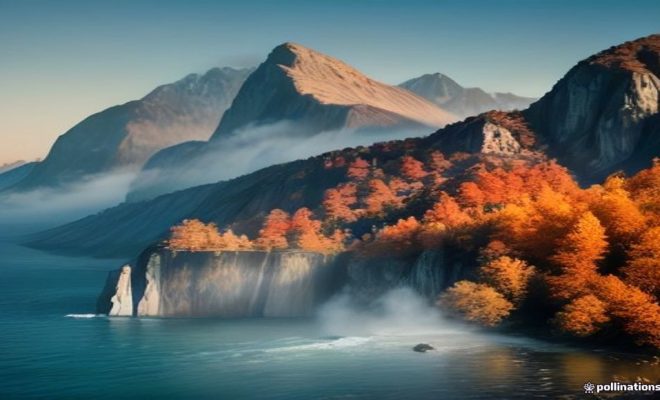
Alright, let’s talk about luxury travel. For decades, it’s been pretty straightforward, right? Summer vacations, maybe a spring break, or a winter escape to somewhere warm. You book your five-star resort, you expect impeccable service, fine dining, and probably a bustling atmosphere, especially during peak seasons. But something significant is shifting, and if you’re a high-net-worth individual who values your peace and quiet, you need to pay attention. We’re witnessing a seismic change in when and how luxury travelers are choosing to unwind, and it’s all centered around a fascinating concept called ‘Hushpitality.’ This isn’t just about avoiding crowds; it’s a whole new philosophy of travel, and it’s making autumn the new peak season.
The traditional ‘shoulder season’ is dead, folks. Forget those charming notions of finding a bargain in September or October. Those days are gone, replaced by what’s being coined ‘Fallcation.’ High-end hotels in places like Europe are now seeing their September and October rates match, or even surpass, what they charged in July and August. Why? Because discerning travelers are actively seeking out these months to escape the suffocating summer crowds and, let’s be honest, the increasingly unbearable heat in many popular destinations. This isn’t a minor tweak; we’re talking about a remarkable 77% surge in September sales for luxury travel experiences. It’s a clear signal that the desire for a quieter, more exclusive escape is driving the market, and it sets the stage for a crucial Hushpitality luxury travel experience comparison against its traditional counterpart.
1. The Rise of ‘Fallcation’ and the Death of Shoulder Season: The New Peak
Remember when September and October were the sweet spots? You could snag a great deal, enjoy pleasant weather, and perhaps avoid the throngs of tourists that descended upon Europe or other popular destinations during July and August. Well, those days are increasingly behind us. The luxury travel landscape has undergone a dramatic transformation, and ‘Fallcation’ is the new buzzword.
High-net-worth individuals, tired of battling summer crowds and sweltering temperatures, are now deliberately planning their lavish getaways for the autumn months. This isn’t just anecdotal; the numbers speak volumes. We’ve seen a staggering 77% surge in September sales for luxury travel experiences, a clear indicator that autumn is rapidly becoming the new peak season. This shift means that the traditional ‘shoulder season’ has effectively lost its bargain status, with prices for high-end hotels in Europe now often mirroring or even exceeding summer rates. It’s a direct response to a growing demand for a more comfortable and exclusive travel window, making this Hushpitality luxury travel experience comparison all the more relevant.
2. Hushpitality Defined: Seeking Sanctuary Over Spectacle
So, what exactly is ‘Hushpitality’? It’s more than just quiet; it’s a deliberate pursuit of privacy, calm, and genuinely exclusive experiences. Think of it as an antidote to the constant hum of the modern world, especially the digital one. This trend is gaining serious traction, partly as a natural evolution of luxury, but also, let’s be frank, as a backlash against the increasingly disruptive presence of social media influencers at high-end properties.
Hushpitality isn’t just about a tranquil environment; it’s about thoughtful design, discreet service, and an atmosphere where genuine relaxation and introspection are prioritized. It means fewer large, boisterous groups, more personalized attention, and a curated environment that fosters a sense of retreat. This philosophy directly contrasts with the ‘see and be seen’ mentality that often characterizes traditional luxury travel, particularly in highly public or influencer-heavy settings. It’s about being present, not performing for an online audience.
3. The Influencer Effect: Why Privacy is the New Premium
Let’s address the elephant in the luxury hotel lobby: social media influencers. While many bring valuable content and inspiration, a growing segment of luxury travelers feels their presence can detract from the exclusivity and tranquility that define a high-end experience. Imagine trying to enjoy a serene breakfast by the pool only to find someone staging an elaborate photoshoot, or a quiet sunset view interrupted by a live stream. It’s not exactly conducive to relaxation, is it?
This isn’t about shaming anyone; it’s about recognizing that different travelers have different priorities. For those seeking Hushpitality, the desire for an undisturbed, private experience trumps the desire for social media validation or even exposure. Luxury properties are starting to take notice, subtly (or not so subtly) adapting their policies and offerings to cater to guests who prioritize genuine tranquility over Instagrammable moments. Privacy has become a truly premium commodity, driving the demand for a distinct Hushpitality luxury travel experience comparison.
4. Crowd Aversion: Escaping the Madding Throng
One of the most immediate and understandable drivers behind the Fallcation and Hushpitality trends is a simple desire to avoid crowds. After years of crowded airports, packed tourist attractions, and resorts buzzing with activity, many luxury travelers are craving an escape from the sheer volume of people. This isn’t just about comfort; it’s about reclaiming the magic of travel.
Think about visiting a world-famous museum without having to elbow your way through throngs of people, or enjoying a Michelin-starred meal in a restaurant where you can actually hear your dining companion. That’s the allure of crowd aversion. It allows for a deeper, more meaningful engagement with the destination and its culture, rather than simply navigating the masses. This pursuit of space and solitude is a cornerstone of the Hushpitality luxury travel experience comparison, distinguishing it sharply from the often-bustling nature of traditional peak-season trips. (See: Luxury travel trends and changes.)
5. Climate Considerations: The Search for Optimal Weather
Beyond crowds, the increasingly extreme summer heat in many popular destinations is playing a significant role in this shift. Who wants to explore the ancient ruins of Rome or wander through the charming streets of Paris when temperatures are pushing 100 degrees Fahrenheit? It quickly turns a dream vacation into a test of endurance.
Autumn, particularly September and October, often offers a perfect balance: warm, pleasant days ideal for sightseeing, and cooler evenings perfect for al fresco dining. The harsh glare of summer gives way to softer light, and the natural beauty of changing foliage adds another layer of appeal. This practical consideration for optimal weather conditions is a powerful motivator for choosing a Fallcation, making the Hushpitality luxury travel experience comparison even more compelling when factoring in comfort and enjoyment.
6. Service Philosophy: Discretion vs. Display
The core difference between Hushpitality and traditional luxury often boils down to the underlying service philosophy. Traditional luxury, especially during peak times, can sometimes lean towards a more overt, ‘everything is possible’ display of opulence and service. While certainly impressive, it might not always align with a desire for understated elegance and genuine privacy.
Hushpitality, on the other hand, emphasizes discretion, anticipation, and a seamless, almost invisible level of service. It’s about knowing what a guest needs before they ask, providing it effortlessly, and then stepping back to allow for undisturbed enjoyment. It’s not about being seen serving; it’s about ensuring the guest feels completely cared for without feeling observed. This subtle yet profound difference in approach is crucial in any Hushpitality luxury travel experience comparison.
7. Destination Choices: Secluded Sanctuaries vs. Bustling Hubs
The type of destination often reflects whether a traveler is leaning towards Hushpitality or traditional luxury. While traditional luxury can certainly be found in secluded spots, it often thrives in bustling, iconic cities or popular resort towns where there’s an energy and a vibrant social scene.
Hushpitality, by its very nature, gravitates towards more secluded sanctuaries. Think private islands, remote mountain retreats, boutique hotels nestled in quiet countryside, or exclusive villas far from the madding crowds. These destinations are chosen specifically for their ability to offer peace, natural beauty, and a genuine sense of escape. They are designed to be havens, not social hubs, and this distinction is vital for a comprehensive Hushpitality luxury travel experience comparison.
8. Activities and Experiences: Introspection vs. Extroversion
The activities and experiences sought by Hushpitality travelers also tend to differ from those pursuing a more traditional luxury vacation. While both appreciate high-quality experiences, the focus shifts from external stimulation to internal enrichment.
Hushpitality might favor activities like private yoga sessions, guided nature walks, bespoke culinary experiences in intimate settings, quiet reading by a fireplace, or simply enjoying the uninterrupted views. Traditional luxury, especially during peak season, might emphasize vibrant nightlife, grand events, famous cultural tours with guides, or high-energy water sports. It’s a spectrum from introspective tranquility to extroverted engagement, and understanding your own preference is key when considering a Hushpitality luxury travel experience comparison.
9. The Cost Factor: Is Exclusivity Always More Expensive?
One might assume that Hushpitality, with its emphasis on privacy and exclusivity, would inherently be more expensive. And often, it is. The premium for avoiding crowds and securing truly private spaces can be significant. However, the ‘Fallcation’ trend adds another layer to this. As September and October become the new peak season, prices in traditional luxury hotspots during these months are now on par with, or even exceeding, summer rates.
So, while Hushpitality might still command a premium for its specialized offerings, the cost gap between a ‘Hushpitality’ trip in a secluded retreat and a ‘traditional luxury’ trip in a popular European city during the new peak autumn season might be narrowing. It’s less about one being universally cheaper, and more about what you’re willing to pay for – peace and quiet, or a bustling, iconic experience. This financial nuance is crucial for a complete Hushpitality luxury travel experience comparison.
10. Which is Right For You? Your Personal Vacation Desires
Ultimately, the choice between a Hushpitality luxury travel experience and a traditional luxury vacation boils down to your personal desires and lifestyle. There’s no single ‘better’ option; it’s about aligning your vacation with what truly rejuvenates and fulfills you. Do you thrive on the energy of a bustling city, enjoy being part of the social fabric of a popular resort, and perhaps even appreciate the occasional influencer sighting as part of the modern travel landscape?
Or do you yearn for genuine solitude, discreet service, an escape from the digital noise, and the profound peace that comes from an undisturbed environment? Are you willing to pay a premium for that quiet, and are you happy to shift your travel dates to the ‘new’ peak season of autumn to achieve it? Consider what truly defines relaxation and luxury for you. For some, it’s the buzz of a crowded piazza; for others, it’s the silence of a private villa. The world of luxury travel is now diverse enough to cater to both, but you need to know which path leads to your ideal escape. A thoughtful Hushpitality luxury travel experience comparison helps you pinpoint exactly what kind of journey will bring you the most joy and restoration. (See: Fall as a new luxury travel season.)
11. The Psychology Behind Hushpitality: Why We Crave Quiet
It’s not just about avoiding influencers or crowds; there’s a deeper psychological current driving the Hushpitality trend. In our hyper-connected, always-on world, genuine quiet has become a rare and valuable commodity. Studies consistently show the positive impacts of silence on our mental well-being, reducing stress, improving focus, and even fostering creativity. For high-net-worth individuals, who often operate in high-pressure environments, the need to truly disconnect and recharge is paramount.
Hushpitality offers a sanctuary from decision fatigue and constant stimulation. It provides an environment where the brain can actually rest, process thoughts, and return to a state of equilibrium. This isn’t just a vacation; it’s a deliberate investment in mental health and personal restoration. The ability to simply *be* without external demands or excessive noise is a luxury that transcends material possessions, making it a powerful differentiator in any Hushpitality luxury travel experience comparison.
12. Emerging Trends Within Hushpitality: Beyond Just Quiet
Hushpitality is evolving, too. It’s not a monolithic concept; different nuances are emerging within this pursuit of peace. We’re seeing a rise in “digital detox” resorts, where guests are encouraged (or even required) to surrender their devices upon arrival. These places often combine Hushpitality with wellness programs, focusing on mindfulness, meditation, and connection with nature.
Another facet is the growth of “slow travel” within the Hushpitality framework. This isn’t about rushing from one landmark to another, but rather immersing oneself deeply in a single location, often a remote one, savoring local experiences at a leisurely pace. Think multi-day private treks with gourmet meals, or extended stays in architecturally significant, secluded properties. These micro-trends within Hushpitality highlight a deeper commitment to experiential luxury that prioritizes presence and authenticity over fleeting moments, giving even more depth to a Hushpitality luxury travel experience comparison.
13. The Role of Technology in Hushpitality: Enabling Discretion
It might seem counterintuitive, but technology actually plays a crucial role in enabling Hushpitality. While it helps us stay connected, it also allows for unprecedented levels of discreet service. Smart room controls for lighting, temperature, and entertainment can be managed silently. Advanced soundproofing technologies ensure optimal quiet. Even personalized communication through apps can minimize intrusive phone calls or in-person interactions, allowing guests to maintain their desired level of solitude.
Furthermore, technology facilitates the backend operations that make seamless, invisible service possible. From predictive analytics anticipating guest needs to efficient logistics for private transfers and bespoke experiences, technology ensures that the Hushpitality experience feels effortless and undisturbed. It’s about using innovation to enhance tranquility, not disrupt it, which is an important consideration for a thorough Hushpitality luxury travel experience comparison.
14. Expert Perspectives: What Travel Gurus Are Saying
Travel industry experts and luxury consultants are universally recognizing this shift. Many are noting that post-pandemic, the desire for genuine escape and control over one’s environment has intensified. “We’re seeing clients, even those who previously loved the buzz of St. Tropez in August, now actively requesting properties with strict privacy policies and soundproofing,” says a leading luxury travel advisor. “They’re tired of feeling like they’re living in a reality TV show.”
Hospitality leaders are responding by re-evaluating their offerings. Some iconic brands are introducing “quiet zones” or adults-only sections, while others are developing entirely new concepts centered around seclusion. It’s a strategic pivot, as properties realize that catering to this segment isn’t just about adding a spa, but fundamentally rethinking the guest experience from arrival to departure. This expert consensus underscores the lasting impact of Hushpitality in the luxury travel market, making any Hushpitality luxury travel experience comparison a timely and relevant discussion.
15. The Environmental Angle: Sustainable Hushpitality
Interestingly, Hushpitality often aligns with more sustainable travel practices. Secluded retreats, by their nature, tend to be smaller, consume fewer resources than massive resorts, and often integrate more seamlessly with their natural surroundings. Many Hushpitality properties are built with an emphasis on local materials, energy efficiency, and low-impact tourism. The focus on nature walks, quiet contemplation, and bespoke, localized experiences also reduces the carbon footprint associated with high-volume, high-energy tourist activities.
This isn’t a universal rule, but the ethos of Hushpitality—respect for the environment, a desire for authenticity, and a less intrusive presence—often goes hand-in-hand with eco-conscious luxury. For the discerning traveler who cares about their impact, a Hushpitality luxury travel experience comparison often reveals options that are not only peaceful but also more planet-friendly. (See: Impact of seasonal changes on travel.)
Frequently Asked Questions About Hushpitality Luxury Travel
Q1: Is Hushpitality only for introverts?
Not at all! While introverts might naturally gravitate towards it, Hushpitality appeals to anyone seeking a break from constant stimulation. Even highly social individuals need periods of quiet to recharge, especially when their daily lives are filled with meetings, events, and obligations. It’s about choosing an environment for deep relaxation, not about personality type.
Q2: Can I still enjoy cultural experiences with Hushpitality?
Absolutely. Hushpitality doesn’t mean isolation from culture; it means experiencing it differently. Instead of crowded group tours, you might opt for private museum visits outside regular hours, bespoke culinary classes with local chefs, or guided walks through less-trafficked historical sites. The focus shifts from seeing everything to deeply experiencing a few carefully chosen things.
Q3: How do I find Hushpitality properties?
Look for properties that emphasize privacy, seclusion, discretion, and wellness. Boutique hotels, private villas, remote lodges, and resorts with adult-only sections or strict privacy policies are good starting points. Travel advisors specializing in luxury and wellness often have curated lists of such properties. Websites and reviews that mention “tranquil,” “serene,” or “uninterrupted views” are also good indicators.
Q4: Will Hushpitality remain a niche, or will it become mainstream in luxury travel?
While it might not become the *only* form of luxury travel, Hushpitality is rapidly moving from niche to a significant, recognized segment within the luxury market. The ongoing stress of modern life and the increasing desire for genuine well-being suggest that the demand for quiet, private, and restorative travel experiences will only continue to grow. It’s a fundamental shift, not just a passing fad.
Q5: What’s the main difference in service between Hushpitality and traditional luxury?
The key difference is discretion. In traditional luxury, service can sometimes be more visible and performative. In Hushpitality, service is almost invisible – anticipating your needs before you express them, fulfilling them seamlessly, and then allowing you to enjoy your privacy without interruption. It’s about being cared for without feeling observed or constantly engaged.
Q6: Does Hushpitality mean sacrificing amenities?
No, quite the opposite. Hushpitality properties still offer top-tier amenities, but they are often designed to enhance tranquility and privacy. Think private plunge pools, in-room spa services, libraries, and fine dining delivered discreetly to your villa. The amenities are tailored to foster relaxation and personal enjoyment, rather than communal gathering or spectacle.
The evolution of luxury travel is fascinating, isn’t it? The rise of ‘Fallcation’ and the burgeoning demand for ‘Hushpitality’ aren’t just fleeting trends; they represent a fundamental shift in what discerning travelers value. It’s a recognition that true luxury isn’t always about the grandest display, but often about the most profound sense of peace and privacy. As an educator, I’ve always believed in understanding individual needs, and travel is no different. Your perfect luxury escape is out there, whether it’s amidst the vibrant energy of a classic destination or nestled in the quiet embrace of a Hushpitality haven.
Trending Now
- our breakdown of alarming: viral video exposes chilling school safety concerns — what every parent needs to know now
- this guide on disturbing: parents allege texas daycare ran ‘child fight club’ — see the horrifying details
- the complete explanation
- this guide on catastrophic: the true cost of layoffs at university jobs is far worse than you think
Frequently Asked Questions
Why is fall becoming the new peak season for luxury travel?
Fall is becoming the new peak season for luxury travel due to a significant shift in traveler preferences. High-net-worth individuals are seeking quieter, more exclusive escapes, avoiding summer crowds and heat. This trend, termed 'Fallcation,' has led to a surge in demand for luxury experiences in September and October, with rates often surpassing those in summer months.
What is 'Hushpitality' in luxury travel?
'Hushpitality' is a new philosophy in luxury travel that emphasizes tranquility and exclusivity. It focuses on providing high-end travelers with serene environments, away from the hustle and bustle of peak tourist seasons. This approach aligns with the rising trend of travelers seeking peaceful escapes during the fall, rather than the crowded summer months.
How has luxury travel pricing changed in the fall?
Luxury travel pricing in the fall has dramatically changed, with many high-end hotels in Europe seeing September and October rates equal to or exceeding those of July and August. This shift reflects the increased demand for quieter travel experiences, as more discerning travelers choose to vacation in the fall rather than during the traditional summer peak.
What are the benefits of traveling in the fall?
Traveling in the fall offers several benefits, including fewer crowds, pleasant weather, and the opportunity for a more relaxed and exclusive experience. With the rise of 'Fallcation,' luxury travelers can enjoy high-end amenities and services without the typical summer hustle, making it an appealing time for those seeking tranquility.
What does the term 'Fallcation' mean?
'Fallcation' refers to the trend of taking vacations in the fall rather than during the summer months. This concept highlights the growing preference among luxury travelers for quieter, more serene escapes, as they seek to avoid the crowds and heat typically associated with summer travel, thus redefining peak travel seasons.
Have you experienced this yourself? We'd love to hear your story in the comments.