Parents Ditch Built-In Controls for Superior Solutions
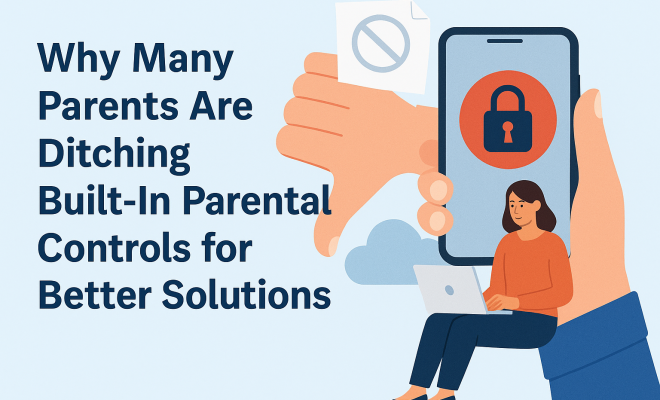
In today’s digital age, parental controls for devices have become a hot topic among parents struggling to find effective ways to monitor their children’s internet usage. While many tech companies have integrated built-in parental control features into their devices, a growing conversation reveals that these tools often fall short of their intended purpose. This article delves into the limitations of these built-in systems and discusses why many parents are turning to alternative solutions.
The Reality of Built-In Parental Controls
Built-in parental controls are designed to help parents manage their children’s screen time and online activity. However, many parents are discovering that these tools often have significant limitations that make them ineffective. According to discussions among parents on forums like Hacker News, these controls are frequently designed with compliance in mind rather than actual usability. As a result, they often require a level of technical knowledge that many teens possess, allowing savvy youngsters to easily bypass restrictions.
Why Built-In Features Are Lacking
One of the primary criticisms of built-in parental controls for devices is that they often serve more as a marketing tool than a functional solution. Here are some common drawbacks:
- Limited Functionality: Many built-in controls only offer basic features such as time limits and content filtering. They may not allow parents to monitor all apps or websites effectively.
- Easy to Bypass: Tech-savvy teens can often find workarounds that enable them to access prohibited content or limit the effectiveness of parental controls.
- Compliance Over Usability: Companies frequently prioritize meeting regulatory standards over creating tools that genuinely assist parents in managing their children’s digital lives.
- False Sense of Security: Parents may believe they are adequately monitoring their children when, in reality, built-in controls may not provide the protection they need.
The Growing Anxiety Around Screen Time
The conversation surrounding parental controls for devices is fueled by the universal anxiety many parents feel regarding their children’s screen time. As technology continues to evolve, so do the risks associated with it. The internet can expose children to inappropriate content, cyberbullying, and even online predators. With this in mind, parents are increasingly concerned about how to ensure their children are safe online.
The anxiety is exacerbated by the addictive nature of many online platforms and games, which can lead to excessive screen time and withdrawal from real-life interactions. In this context, the limitations of built-in parental controls become more pronounced, prompting parents to seek out other options.
Alternative Solutions for Effective Monitoring
Many parents are now opting for third-party applications that provide more robust functionality and customization options. These applications address the shortcomings of built-in parental controls and offer a more comprehensive solution to monitor children’s online activities. Here are some popular alternatives:
- Qustodio: This app offers extensive monitoring capabilities, including tracking social media usage, setting time limits, and filtering web content.
- Norton Family: Known for its security products, Norton Family also includes features like real-time alerts for inappropriate content and detailed activity reports.
- Net Nanny: A user-friendly interface that allows parents to monitor and manage their children’s online presence effectively.
- Circle Home Plus: This device connects with home Wi-Fi to manage screen time and filter content across all devices connected to the network.
The Importance of Open Communication
While effective parental controls for devices are essential, equally important is fostering an open dialogue between parents and children about online safety. Teaching children about the potential dangers of the internet, as well as encouraging responsible digital behavior, can significantly enhance their online experience. Here are some strategies to consider:
- Discuss the Risks: Talk to your children about the dangers they may encounter online and the importance of protecting their personal information.
- Set Clear Expectations: Establish rules for internet use, including time spent online and the types of content they can access.
- Encourage Critical Thinking: Teach children to think critically about the information they encounter online and to question sources.
Conclusion: Finding the Right Balance
As concerns about children’s online safety continue to grow, parents must find the right balance between monitoring their children’s device usage and allowing them the freedom to explore the digital world. While built-in parental controls for devices may offer a starting point, they often lack the depth needed to provide real protection.
By exploring alternative solutions and fostering open communication, parents can create a safer digital environment for their children. As technology evolves, so too must our strategies for managing its impact on our families. Ultimately, the goal is to equip children with the tools and knowledge they need to navigate the online world safely and responsibly.