Understanding the SAVE Act: Implications for Election Control and Democracy
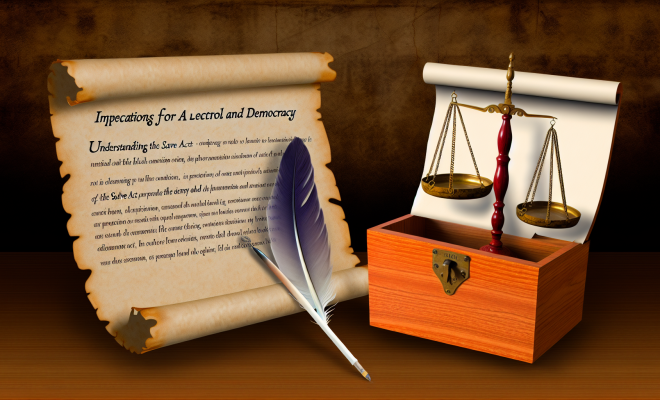
In a recent interview on NPR, Georgetown Law professor Steve Vladeck offered insightful analysis into the controversial SAVE America Act and its implications for the future of U.S. elections. The discussion, led by NPR’s Steve Inskeep, delves into how the act connects with former President Donald Trump’s broader ambitions to exert control over electoral processes, raising significant constitutional questions.
The SAVE America Act: An Overview
The SAVE America Act, introduced by Trump and his allies, is presented as a means to enhance election security and integrity. However, according to Professor Vladeck, the act also serves as a vehicle for Trump’s efforts to consolidate power and influence over electoral administration. The professor emphasizes that while the act may be framed as a response to perceived electoral vulnerabilities, its provisions could have far-reaching consequences for the democratic process.
Key Provisions of the SAVE America Act
Among the most notable features of the SAVE America Act are provisions that seek to strengthen voter identification requirements and reduce mail-in voting options. Vladeck pointed out that such measures, while often justified as necessary to prevent fraud, are largely unsupported by empirical evidence. In fact, studies consistently show that voter fraud is exceedingly rare in the United States.
- Voter ID Requirements: The act mandates stricter identification laws, which could disproportionately affect marginalized communities who may lack the necessary documentation.
- Mail-in Voting Restrictions: By limiting mail-in voting, the act risks disenfranchising voters who rely on this method, particularly during national emergencies like the COVID-19 pandemic.
Constitutional Implications
Professor Vladeck elaborated on the constitutional implications of the SAVE America Act, arguing that it raises critical questions about the balance of power between federal and state governments in determining election laws. Traditionally, states have held the authority to manage their own electoral processes. However, if the federal government imposes stricter regulations, it could undermine the autonomy that states have enjoyed.
Moreover, the act’s potential to centralize control over elections could lead to a scenario where federal oversight trumps local governance, creating an environment ripe for political manipulation. Vladeck highlighted that such shifts could set dangerous precedents, paving the way for future administrations to exert similar control.
Trump’s Political Strategy
At the heart of the discussion is Trump’s political strategy, which, according to Vladeck, seeks to capitalize on the narrative of electoral fraud to galvanize his base. This narrative has persisted despite a lack of substantial evidence, and the SAVE America Act can be seen as an extension of that strategy.
By pushing for legislation that aligns with these claims, Trump is not only attempting to bolster his image but also to lay the groundwork for future campaigns. The act serves a dual purpose: it aims to create a perception of urgency around election integrity while simultaneously enabling Trump to remain a central figure in Republican politics.
The Broader Context of Election Legislation
The SAVE America Act is part of a larger trend in U.S. politics where various states have enacted laws that critics argue suppress voter turnout. Vladeck pointed out that these legislative efforts often emerge in response to unfounded claims of widespread fraud, reflecting a shift towards more authoritarian governance in the electoral realm.
As the nation approaches the next election cycle, the implications of the SAVE America Act and similar legislation will likely become more pronounced. Lawmakers, legal experts, and voters will need to navigate the complexities of election laws that are increasingly shaped by political agendas rather than democratic principles.
Potential Consequences for Democracy
Vladeck’s analysis serves as a cautionary reminder of the delicate balance between securing elections and ensuring that all eligible citizens have the opportunity to participate. If the SAVE America Act is passed, it may not only affect current electoral practices but also set a precedent for future legislation that could further undermine democratic norms.
The potential consequences are stark: a decline in voter participation, the entrenchment of partisan divides, and the erosion of public trust in the electoral process. These factors could lead to a more polarized political landscape, where the outcomes of elections are viewed with skepticism rather than acceptance.
Conclusion
As the discussion surrounding the SAVE America Act continues, it is crucial for citizens to remain informed and engaged in the legislative process. Understanding the implications of such laws is vital for preserving the integrity of U.S. democracy. Legal experts like Professor Steve Vladeck provide important perspectives that highlight the need for critical examination of election-related legislation and its potential impact on the future of American governance.