The Edvocate

Top Menu

Main Menu

  • Start Here
    • Our Brands
    • Governance
      • Lynch Education Consulting, LLC.
      • Dr. Lynch’s Personal Website
      • Careers
    • Write For Us
    • Books
    • The Tech Edvocate Product Guide
    • Contact Us
    • The Edvocate Podcast
    • Edupedia
    • Pedagogue
    • Terms and Conditions
    • Privacy Policy
  • PreK-12
    • Assessment
    • Assistive Technology
    • Best PreK-12 Schools in America
    • Child Development
    • Classroom Management
    • Early Childhood
    • EdTech & Innovation
    • Education Leadership
    • Equity
    • First Year Teachers
    • Gifted and Talented Education
    • Special Education
    • Parental Involvement
    • Policy & Reform
    • Teachers
  • Higher Ed
    • Best Colleges and Universities
    • Best College and University Programs
    • HBCU’s
    • Diversity
    • Higher Education EdTech
    • Higher Education
    • International Education
  • Advertise
  • The Tech Edvocate Awards
    • The Awards Process
    • Finalists and Winners of The 2026 Tech Edvocate Awards
    • Finalists and Winners of The 2025 Tech Edvocate Awards
    • Finalists and Winners of The 2024 Tech Edvocate Awards
    • Finalists and Winners of The 2023 Tech Edvocate Awards
    • Finalists and Winners of The 2021 Tech Edvocate Awards
    • Finalists and Winners of The 2022 Tech Edvocate Awards
    • Finalists and Winners of The 2020 Tech Edvocate Awards
    • Finalists and Winners of The 2019 Tech Edvocate Awards
    • Finalists and Winners of The 2018 Tech Edvocate Awards
    • Finalists and Winners of The 2017 Tech Edvocate Awards
    • Award Seals
  • Apps
    • GPA Calculator for College
    • GPA Calculator for High School
    • Cumulative GPA Calculator
    • Grade Calculator
    • Weighted Grade Calculator
    • Final Grade Calculator
  • The Tech Edvocate
  • Post a Job
  • AI Powered Personal Tutor

logo

The Edvocate

  • Start Here
    • Our Brands
    • Governance
      • Lynch Education Consulting, LLC.
      • Dr. Lynch’s Personal Website
        • My Speaking Page
      • Careers
    • Write For Us
    • Books
    • The Tech Edvocate Product Guide
    • Contact Us
    • The Edvocate Podcast
    • Edupedia
    • Pedagogue
    • Terms and Conditions
    • Privacy Policy
  • PreK-12
    • Assessment
    • Assistive Technology
    • Best PreK-12 Schools in America
    • Child Development
    • Classroom Management
    • Early Childhood
    • EdTech & Innovation
    • Education Leadership
    • Equity
    • First Year Teachers
    • Gifted and Talented Education
    • Special Education
    • Parental Involvement
    • Policy & Reform
    • Teachers
  • Higher Ed
    • Best Colleges and Universities
    • Best College and University Programs
    • HBCU’s
    • Diversity
    • Higher Education EdTech
    • Higher Education
    • International Education
  • Advertise
  • The Tech Edvocate Awards
    • The Awards Process
    • Finalists and Winners of The 2026 Tech Edvocate Awards
    • Finalists and Winners of The 2025 Tech Edvocate Awards
    • Finalists and Winners of The 2024 Tech Edvocate Awards
    • Finalists and Winners of The 2023 Tech Edvocate Awards
    • Finalists and Winners of The 2021 Tech Edvocate Awards
    • Finalists and Winners of The 2022 Tech Edvocate Awards
    • Finalists and Winners of The 2020 Tech Edvocate Awards
    • Finalists and Winners of The 2019 Tech Edvocate Awards
    • Finalists and Winners of The 2018 Tech Edvocate Awards
    • Finalists and Winners of The 2017 Tech Edvocate Awards
    • Award Seals
  • Apps
    • GPA Calculator for College
    • GPA Calculator for High School
    • Cumulative GPA Calculator
    • Grade Calculator
    • Weighted Grade Calculator
    • Final Grade Calculator
  • The Tech Edvocate
  • Post a Job
  • AI Powered Personal Tutor
  • The Wild New Alliance: Why Democrats and Republicans Are Uniting on Child Care Support

  • This Viral Fake Ultrasound Video Is a Parental Deception Scandal

  • Bizarre Cat in the Hat AI Trend Ignites School Safety Fears, Arrests Follow

  • The College Student Who Went Viral: His Shocking Journey 11 Years Later

  • Flashcard Game Grades 3-5

  • The Disturbing ‘Cat in the Hat’ Hoax Fueling Panic in Schools — And What Parents MUST Know

  • The Chilling Truth: Why Parents Are Erasing Every Photo of Their Kids Online

  • Baffling: Feds Slash Youth Mental Health Funding Amid Crisis — What It Means For Your Kids

  • Apply to Get a Free Kinsa Smart Thermometer for Every Family at Your School

  • California’s Game-Changing Move: Can New Laws Finally Protect Kids from Big Tech’s Grasp?

Uncategorized
Home›Uncategorized›Trump Administration Cracks Down on Chinese AI Exploitation (2026)

Trump Administration Cracks Down on Chinese AI Exploitation (2026)

By Matthew Lynch
April 24, 2026
0
Spread the love

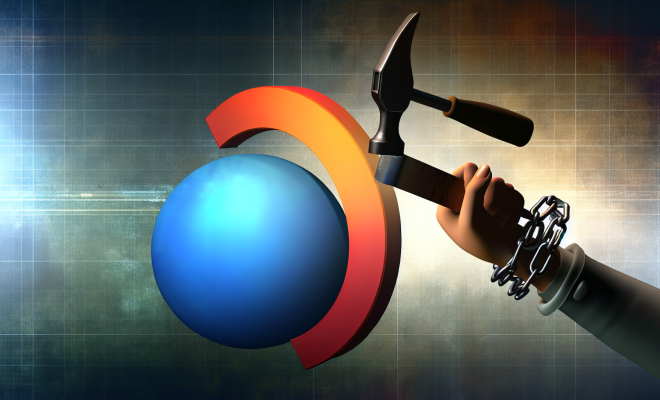
The landscape of artificial intelligence (AI) is rapidly evolving, not just in terms of technological advancements but also in the geopolitical arena. The recent announcement from the Trump administration marks a pivotal moment in the ongoing tensions between the United States and China regarding technology theft and exploitation. The U.S. government is taking a firm stand against Chinese companies accused of leveraging AI models developed in the United States, a move underscoring the increasing concern over national security and the integrity of American innovations.

The AI Arms Race: A Brief Overview

In the past decade, artificial intelligence has emerged as a critical component of technological progress, driving innovations across various sectors, including healthcare, finance, and transportation. The competition for AI supremacy has intensified, with the U.S. and China leading the charge. As both nations pour substantial resources into AI research and development, the race to dominate this transformative technology has been marked by accusations of intellectual property theft and industrial espionage.

U.S. Concerns Over AI Exploitation

On April 23, 2026, Michael Kratsios, the chief science and technology adviser to then-President Trump, issued a memo outlining the administration’s intent to crack down on foreign tech companies, particularly those based in China. The memo accused these entities of systematically exploiting U.S.-developed AI models by extracting or ‘distilling’ their capabilities on a large scale. This practice not only undermines American innovation but also raises significant concerns about the potential misuse of AI technologies.

Understanding the Distillation of AI Models

The term ‘distilling’ in the context of artificial intelligence refers to a method where companies extract the underlying capabilities of AI models to create their own versions, often without permission or proper attribution. This process can involve training models using data and algorithms that are similar to those developed in the U.S., allowing foreign companies to circumvent the substantial investments made by American firms in research and development.

The Scale of the Challenge

While the memo did not provide specific statistics on the extent of exploitation, it highlighted the rising concerns among U.S. policymakers about the potential ramifications of such practices. The Trump administration’s commitment to address these issues signals a broader intention to protect American technological leadership against perceived aggressions from foreign competitors.

The Role of Collaboration with U.S. AI Companies

One of the key strategies outlined by the Trump administration involves collaboration with U.S. AI companies. By working together, the government and private sector can identify instances of exploitation and develop robust defenses against such activities. This partnership aims to foster a more resilient AI ecosystem that not only safeguards American innovations but also ensures that U.S. companies remain competitive on the global stage.

Proposed Measures and Defenses

The administration’s approach includes several proposed measures aimed at curbing the exploitation of U.S. AI technologies:

  • Enhanced Monitoring: Implementing systems to monitor foreign companies’ activities related to AI model development.
  • Legal Frameworks: Establishing legal measures to prosecute entities that engage in the unauthorized use of U.S. AI technologies.
  • Increased Funding: Allocating additional funds to support research and development in AI, ensuring that U.S. companies have the resources they need to innovate.
  • International Collaboration: Working with allies to create a unified front against technology theft and exploitation.

Escalating U.S.-China Tensions in Technology

This crackdown on Chinese tech companies is set against the backdrop of escalating tensions between the U.S. and China, particularly in the realm of technology. As the competition heats up, both nations are increasingly suspicious of each other’s intentions, resulting in a series of trade disputes and regulatory challenges. The U.S. government’s focus on protecting its AI capabilities reflects a broader concern about maintaining technological leadership in a time of rapid global change.

Impact on Global AI Innovation

The implications of this crackdown extend beyond national borders, affecting global AI innovation. As countries respond to these new measures, the landscape of international collaboration in AI research may shift, potentially fostering a more fragmented ecosystem. The fear of theft may lead to increased protectionism in technology, hindering the free exchange of ideas and advancements that have historically driven progress in the field.

The Future of AI Development and Policy

As the U.S. grapples with these challenges, the future of AI development and policy will likely hinge on several factors:

  • Technological Innovation: Continued innovation in AI will be essential for U.S. companies to maintain their competitive edge.
  • Regulatory Frameworks: Establishing clear regulatory frameworks that protect intellectual property while encouraging collaboration will be crucial.
  • Public-Private Partnerships: Strengthening partnerships between government and industry will help foster a more secure and innovative AI landscape.

Conclusion

The Trump administration’s commitment to crack down on Chinese companies exploiting U.S. AI models is a significant development in the ongoing narrative of technological competition between the two nations. As the U.S. seeks to protect its innovations and maintain its leadership in AI, the implications of these actions will be felt across the globe. The future of AI will depend not only on technological advancements but also on the policies that govern its development and deployment. The ongoing dialogue around these issues will shape the landscape of artificial intelligence for years to come.


Previous Article

Trump Shares British SNL Skit: Satire’s Role ...

Next Article

Lake County School Mental Health Crisis: A ...

Matthew Lynch

Related articles More from author

  • Uncategorized

    Google’s Joint Employer Ruling: A Landmark Shift in Labor Relations

    May 5, 2026
    By Matthew Lynch
  • Uncategorized

    Chinese Students & ChatGPT: Intentions & Influencing Factors

    January 2, 2025
    By Matthew Lynch
  • Uncategorized

    Bitcoin at $60,000: ETF Outflows & Market Shifts Analyzed

    July 3, 2026
    By Matthew Lynch
  • Uncategorized

    EU Data Rules Threaten Google Search & Innovation in 2026

    May 2, 2026
    By Matthew Lynch
  • Uncategorized

    AI in Healthcare 2026: Revolutionizing Medicine & Raising Ethical Concerns

    July 25, 2026
    By Matthew Lynch
  • Uncategorized

    Parenting in Flux: Tackling Unpredictable Job Market Challenges

    March 29, 2026
    By Matthew Lynch

Search

Registration and Login

  • Log in
  • Entries feed
  • Comments feed
  • WordPress.org

Newsletter

Signup for The Edvocate Newsletter and have the latest in P-20 education news and opinion delivered to your email address!

RSS feed: Matthew on Education Week Matthew on Education Week

  • Au Revoir from Education Futures November 20, 2018 Matthew Lynch
  • 6 Steps to Data-Driven Literacy Instruction October 17, 2018 Matthew Lynch
  • Four Keys to a Modern IT Approach in K-12 Schools October 2, 2018 Matthew Lynch
  • What's the Difference Between Burnout and Demoralization, and What Can Teachers Do About It? September 27, 2018 Matthew Lynch
  • Revisiting Using Edtech for Bullying and Suicide Prevention September 10, 2018 Matthew Lynch

About Us

The Edvocate was created in 2014 to argue for shifts in education policy and organization in order to enhance the quality of education and the opportunities for learning afforded to P-20 students in America. What we envisage may not be the most straightforward or the most conventional ideas. We call for a relatively radical and certainly quite comprehensive reorganization of America’s P-20 system.

That reorganization, though, and the underlying effort, will have much to do with reviving the American education system, and reviving a national love of learning.  The Edvocate plans to be one of key architects of this revival, as it continues to advocate for education reform, equity, and innovation.

Newsletter

Signup for The Edvocate Newsletter and have the latest in P-20 education news and opinion delivered to your email address!

Contact

The Edvocate
910 Goddin Street
Richmond, VA 23230
(601) 630-5238
[email protected]
  • situs togel online
  • dentoto
  • situs toto 4d
  • situs toto slot
  • toto slot 4d
Copyright (c) 2026 Matthew Lynch. All rights reserved.