Shrinkflation 2026: The Hidden Price Hike at Walmart & Target
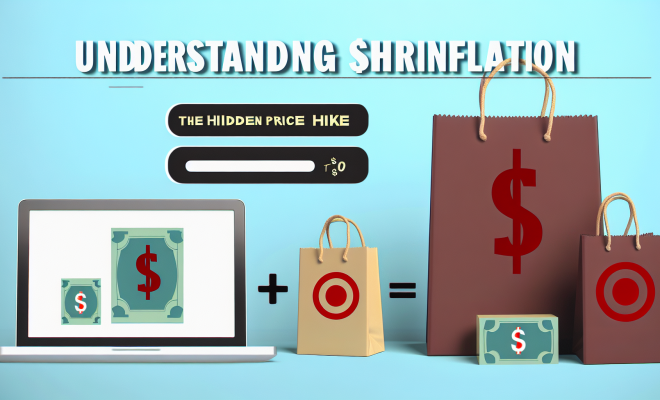
As consumers navigate the aisles of major retailers like Walmart and Target, they may notice something peculiar about their grocery bills. While the prices of many items remain steady or even increase, the actual quantity of those items is shrinking. This phenomenon, known as shrinkflation, has emerged as a pressing concern for American shoppers in 2026, prompting discussions about its implications and underlying mechanisms.
What is Shrinkflation?
Shrinkflation refers to the practice where manufacturers reduce the size or quantity of a product while maintaining or even raising its price. This strategy effectively acts as a hidden price increase, allowing companies to cope with rising production costs without directly alarming consumers with visible price hikes. In recent years, shrinkflation has become increasingly prevalent within the grocery sector, particularly at prominent retailers like Walmart and Target.
The Mechanics of Shrinkflation
At its core, shrinkflation is a response to various economic pressures faced by manufacturers. These pressures can include:
- Rising Raw Material Costs: Prices of essential ingredients and packaging materials have seen significant increases, compelling companies to find ways to maintain profit margins.
- Supply Chain Disruptions: Events such as the COVID-19 pandemic have led to supply chain challenges, resulting in increased costs for transportation and logistics.
- Inflation: General inflationary trends in the economy have made it more challenging for businesses to keep prices stable without sacrificing profitability.
To counter these challenges, many companies have opted for shrinkflation as a less transparent way to pass costs onto consumers. Instead of raising prices on a box of cereal or a can of soup, they reduce the quantity or size of the product, a tactic that can go unnoticed by shoppers.
Impact on Consumers
The effects of shrinkflation can be significant for everyday consumers. As people continue to purchase their regular grocery items, they may not immediately realize that they are receiving less product for their money. This can lead to several unintended consequences:
- Increased Grocery Bills: While individual prices may appear stable, the overall cost of grocery bills can increase as consumers find themselves buying more items to achieve the same quantity they previously received.
- Decreased Trust in Brands: When consumers become aware of shrinkflation practices, it may lead to a loss of trust in brands and retailers, impacting long-term loyalty.
- Consumer Frustration: Many shoppers may feel frustrated or deceived upon discovering that their favorite products have been downsized, leading to complaints and negative perceptions of retailers.
As these impacts unfold, it becomes clear that shrinkflation is not just a behind-the-scenes issue; it has tangible effects on the shopping experience.
Major Players: Walmart and Target
Walmart and Target, two of the largest grocery retailers in the United States, are key players in the shrinkflation conversation. Both retailers have been noted for their extensive grocery offerings, and as they adapt to market pressures, their strategies can have wide-reaching implications for consumers.
In an effort to manage costs, both retailers have reportedly engaged in shrinkflation tactics across various product categories, including:
- Packaged Foods: Items such as snacks, cereals, and frozen foods have seen reductions in package sizes without corresponding reductions in price.
- Household Products: Common household items like detergents and cleaning supplies have also undergone similar size reductions.
- Personal Care Products: Shoppers might notice that shampoos, conditioners, and other personal care items have shrunk in size while remaining at the same price point.
As major retailers, Walmart and Target have the power to influence market trends and consumer behavior. Their decisions to implement shrinkflation can set a precedent that other retailers might follow, amplifying the issue across the grocery sector.
Consumer Awareness and Response
Awareness is the first step in combating shrinkflation. As consumers become more informed about the practice, they can take steps to mitigate its impact on their shopping habits.
- Read Labels: Encouraging consumers to carefully read product labels can help them identify size changes. By comparing the weight or volume of products, shoppers can make more informed choices.
- Shop Smart: Shoppers can consider bulk purchases or alternative brands that offer better value for money, helping to offset the effects of shrinkflation.
- Raise Awareness: Sharing information about shrinkflation on social media or community forums can help raise awareness and encourage others to be vigilant.
As consumers actively engage in discussions about shrinkflation, it can lead to greater accountability for retailers and manufacturers.
The Future of Shrinkflation
Looking ahead, the future of shrinkflation remains uncertain. As economic conditions continue to evolve, both manufacturers and retailers will need to navigate a complex landscape of consumer expectations and market pressures. Some possible outcomes include:
- Increased Transparency: Retailers may respond to consumer backlash by increasing transparency about product sizes and pricing strategies, fostering trust with their customers.
- Shift in Consumer Preferences: If consumers become increasingly aware of shrinkflation, they may prioritize brands that offer fair pricing and honest marketing practices.
- Regulatory Changes: Governments may consider regulations to monitor shrinkflation practices, ensuring that consumers are not misled by deceptive marketing strategies.
Ultimately, the issue of shrinkflation will continue to affect the grocery shopping experience, and it will be crucial for consumers to stay informed and adapt to these changes.
Conclusion
Shrinkflation is more than just a buzzword; it represents a significant shift in how consumers experience grocery shopping in the United States. With major players like Walmart and Target adopting shrinkflation practices, it is essential for consumers to be aware of the implications of this hidden price hike. By understanding the mechanics of shrinkflation and its effects on everyday shopping, individuals can take proactive steps to mitigate its impact on their wallets.
As the conversation around shrinkflation evolves, empowering consumers with knowledge and encouraging transparency in the retail sector will be vital for fostering a fairer shopping environment. With vigilance and awareness, shoppers can navigate these changes and make informed decisions about their purchases.