UAE Cyber Security Council Warns: Secure Your Digital Identity Now
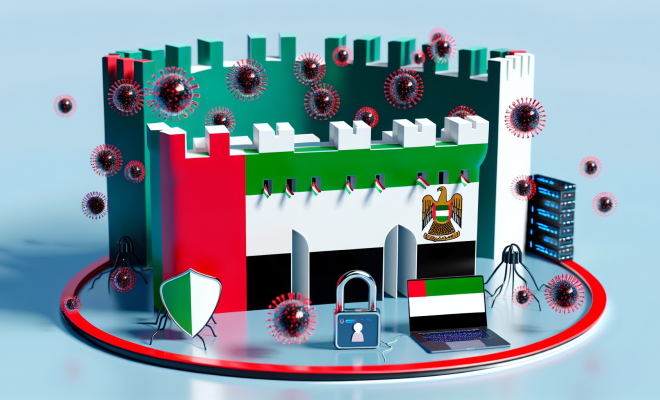
The digital age has revolutionized the way we interact, conduct business, and manage our personal lives. However, as we embrace the benefits of technology, we also expose ourselves to significant risks, especially concerning our digital identities. The UAE Cyber Security Council has recently issued a stark warning about the growing threats posed by hackers targeting digital identities, highlighting the urgent need for enhanced user protection measures.
The Rising Threat Landscape
In recent months, the UAE has witnessed a concerning surge in cyberattacks, with hackers increasingly focusing on exploiting personal information. The Cyber Security Council’s warning comes at a time when the global cyber threat landscape is rapidly evolving, making it more imperative than ever for individuals and organizations to stay vigilant.
Understanding Digital Identity
A digital identity encompasses all the information about an individual that exists online, including usernames, passwords, personal details, and online activity. With the increasing reliance on digital services, our digital identities have become valuable assets. Unfortunately, they are also prime targets for cybercriminals.
Key Recommendations from the UAE Cyber Security Council
To combat the rising threat against digital identities, the UAE Cyber Security Council has provided crucial recommendations that users should consider implementing immediately.
- Avoid Sharing Sensitive Personal Information: Users must be cautious about the information they share online, particularly on social media platforms, where oversharing can lead to identity theft.
- Refrain from Reusing Weak Passwords: Many individuals tend to use the same password across multiple accounts. This practice poses a significant risk, as a breach in one account can lead to unauthorized access to others.
- Use Strong, Complex Passwords: Creating unique passwords that are difficult to guess is essential. Passwords should ideally include a mix of uppercase letters, lowercase letters, numbers, and special characters.
- Enable Multi-Factor Authentication: Activating multi-factor authentication adds an additional layer of security by requiring users to verify their identity through a secondary method, such as a text message or authentication app.
The Importance of Cyber Hygiene
Implementing these recommendations forms part of a broader concept known as cyber hygiene, which refers to practices that individuals and organizations can adopt to maintain the health of their digital assets and mitigate risks.
Cybersecurity in the UAE: A Growing Concern
The UAE’s rapid digital transformation has brought significant benefits but also heightened cybersecurity risks. The country’s vision to become a global technology hub has attracted a wealth of digital services and innovations, making it a lucrative target for cybercriminals.
Recent Cyber Incidents
Several high-profile cyber incidents have underscored the vulnerabilities present in the UAE’s digital landscape. From data breaches to ransomware attacks, the threat is real and pervasive. The UAE Cyber Security Council’s warning serves as a clarion call for both individuals and businesses to reassess their cybersecurity protocols and take proactive measures.
The Role of Organizations in Protecting Digital Identities
While individuals bear the responsibility for their digital security practices, organizations must also play a crucial role in safeguarding user data. This includes implementing robust cybersecurity policies, conducting regular security audits, and providing ongoing training for employees on cyber threats.
Building a Cyber Resilient Culture
Organizations should foster a culture of cybersecurity awareness among employees. This can be achieved through:
- Regular Training Sessions: Offering training on recognizing phishing attempts and understanding the importance of data protection.
- Simulated Attacks: Conducting mock phishing campaigns to assess employee readiness and response to potential threats.
- Clear Reporting Procedures: Establishing a straightforward process for reporting suspicious activities or potential breaches.
Legal and Regulatory Framework for Cybersecurity in the UAE
The UAE has established a comprehensive legal and regulatory framework to combat cybercrime and enhance cybersecurity across the nation. Key regulations include the UAE Federal Law No. 2 of 2019 on the Use of Information and Communication Technology in the Health Sector, which governs data protection in the healthcare industry, and the UAE Cybersecurity Strategy, which outlines the nation’s cyber defense objectives.
Collaboration with International Partners
The UAE’s approach to cybersecurity also emphasizes collaboration with international partners. By sharing intelligence and best practices, the UAE aims to strengthen its defenses against cyber threats and foster a more secure digital environment for all users.
The Future of Cybersecurity in the UAE
As technology continues to evolve, so too will the tactics employed by cybercriminals. The UAE Cyber Security Council is committed to staying ahead of these threats by promoting a proactive approach to cybersecurity through education, policy development, and collaboration with stakeholders.
Investing in Cybersecurity Education
One of the critical components of the UAE’s cybersecurity strategy involves investing in education and awareness campaigns to equip citizens with the knowledge to protect their digital identities. This includes:
- Public Awareness Campaigns: Initiatives aimed at informing the public about the importance of cybersecurity and best practices for safeguarding personal information.
- Partnerships with Educational Institutions: Collaborating with universities and schools to integrate cybersecurity education into their curriculums, preparing future generations for a digital world.
Conclusion
The warning issued by the UAE Cyber Security Council highlights the urgent need for individuals and organizations to prioritize the protection of digital identities. In an age where cyber threats are increasingly sophisticated, adopting robust cybersecurity practices is not just advisable but necessary.
By heeding the Council’s recommendations, enhancing cyber hygiene, and fostering a culture of cybersecurity awareness, the UAE can work towards creating a safer digital environment for everyone. As we navigate the complexities of the digital landscape, it is crucial to remain vigilant and proactive in safeguarding our most valuable asset—our digital identity.