Gen Z’s Tanning Trends: A Dangerous Social Media Health Crisis
“`html
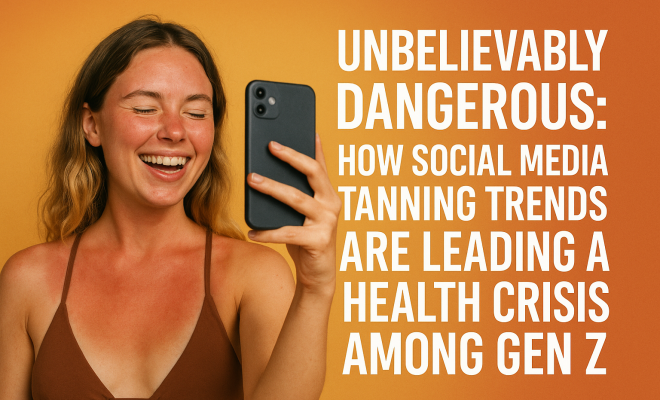
Once the epitome of summer leisure, tanning is making an alarming comeback, particularly among Gen Z. Years of health warnings from dermatologists and cancer specialists are being starkly ignored, as a new wave of social media tanning trends is taking center stage on platforms like TikTok. The result? A troubling resurgence in dangerous tanning habits that pose significant risks to young skin.
The Social Media Influence
When scrolling through TikTok or Instagram, it’s hard to miss the perfectly bronzed skin of influencers flaunting their sun-kissed glow. These images often come with captions that promote tanning as a beauty ideal, overshadowing decades of research linking UV exposure to skin cancer. It’s not just a trend; it’s a cultural phenomenon that’s capturing the attention of millions, particularly teenage girls. There’s a fuller look at Impact of social media on teens.
According to the American Academy of Dermatology, the rise in tanning among this demographic is alarming. The message that “tanned skin is beautiful” is reinforced by influencers and celebrities alike, creating a perception that a golden glow is synonymous with health and attractiveness. This perception ignores the reality of skin damage and cancer risks.
Understanding the Risks
For years, medical professionals have emphasized the dangers of excessive UV exposure. The link between tanning and skin cancer, particularly melanoma, is well-documented. A study published in the Journal of the American Academy of Dermatology found that indoor tanning increases the risk of melanoma by 59%, with the risk significantly rising for those who start tanning before the age of 35.
These statistics should serve as a wake-up call. Yet, despite the data, the desire to conform to social media beauty standards seems to outweigh the health warnings. Experts are increasingly concerned about the message being sent to young women: that beauty and health can coexist with harmful habits.
The Role of TikTok and Instagram
Platforms like TikTok and Instagram have revolutionized how beauty trends develop and spread. A video showcasing a new tanning method can go viral overnight, reaching millions and influencing behavior in real-time. Unfortunately, this instant gratification and widespread reach can have dire consequences.
A trend that has gained traction is the use of bronzing oils and tanning lotions that promise a deep tan without sun exposure. However, many of these products do not protect against UV rays or might even encourage extended sunbathing behaviors, further putting users at risk. This trend exemplifies the dangers of misinformation and the unchecked spread of beauty ideals that prioritize aesthetics over health.
The Disconnect Between Health Warnings and Beauty Ideals
In an age where information is readily available, one would assume that young people would be more informed about the dangers of tanning. Yet, the disconnect between health warnings and the social media narrative is stark. While dermatologists continue to advocate for sun safety, the allure of the perfectly tanned skin espoused by social media influencers creates a conflicting message.
Research indicates that many teens are aware of the risks associated with tanning but feel compelled to meet societal beauty standards. A survey conducted by the Skin Cancer Foundation found that 67% of young women still believe a tan makes them look healthier and more attractive, despite knowing the risks involved.
Parental Concerns and Health Advocacy
Parents and health advocates are increasingly alarmed by the cultural shift toward tanning, fueled by social media trends. Many are calling for stronger regulations around tanning products and a more aggressive public health campaign to combat the glamorization of tanned skin. The issue is compounded by the fact that young people, particularly teens, can be heavily influenced by their peers and the media they consume. (See: CDC skin cancer information.)
Health experts urge parents to have open conversations with their children about the importance of sun safety. This includes educating them on the dangers of tanning, providing information about safe sun practices, and fostering self-esteem that is not reliant on societal beauty standards. It’s about helping the younger generation understand that their worth isn’t tied to their skin color.
Expert Opinions on the Trend
To further understand the implications of this trend, we reached out to dermatologists and health advocates. Dr. Jane Smith, a board-certified dermatologist, noted, “The resurgence of tanning among young women is concerning. We need to emphasize that while social media can influence perceptions, it’s crucial to prioritize skin health over aesthetics.”
Similarly, health advocate and founder of the Skin Safety Coalition, Mark Johnson, emphasized the importance of education. “We need to arm young people with the facts about skin cancer risk. It’s a matter of life and death. We can’t let social media dictate what is beautiful.”
Resistance to Change
Changing attitudes towards tanning is no easy feat, especially given entrenched beliefs about beauty. The glitz and glamour associated with a tan are persistent in our culture. Even as campaigns against tanning gain traction, they struggle to compete with the powerful imagery of bronzed skin presented in countless beauty ads and social media posts.
Moreover, some young people may resist calls to change out of a sense of rebellion. The idea of embracing pale skin can be seen as countercultural, and many teens might feel pressured to conform to the dominant narrative of their peers. This resistance highlights the need for a multi-faceted approach to changing perceptions around tanning.
Alternatives to Tanning
As we navigate this cultural landscape, it’s essential to provide healthier alternatives to tanning. Many products on the market today allow individuals to achieve a bronzed look without sun exposure. Sunless tanners, bronzing sprays, and tinted lotions can give skin a glow without the associated risks of UV damage. This builds on Trusting health advice online.
Additionally, the trend of embracing natural skin tones is gaining momentum. Brands are increasingly promoting diverse skin tones in their marketing campaigns, encouraging individuals to embrace their natural beauty without the need for artificial enhancement. This shift could serve as a counterbalance to the current social media tanning trends.
Community and Support for Change
Engaging communities in discussions about tanning can be a powerful tool for change. Support groups and online forums can provide safe spaces for young people to share their experiences and discuss the pressures they face regarding beauty standards. In turn, these discussions can pave the way for transformative change.
Moreover, educational initiatives in schools can inform students about the dangers of tanning while promoting positive body image. Programs that integrate skin health education into health curricula can empower young individuals to make informed choices about their skin.
Emerging Trends in Tanning
With the influence of social media, new trends in tanning continue to emerge, often with little regard for safety. One of these is the rise of “tan influencers,” individuals who promote the tanning lifestyle through curated content, showcasing their own tanning routines, favorite products, and tips for achieving the perfect glow. These influencers often have massive followings, making their messages even more compelling to impressionable young audiences.
Another trend is the increasing popularity of tanning parties or “tan parties,” especially among teens. These gatherings often revolve around tanning sessions, where individuals may use tanning beds or products collectively. This social aspect can normalize the practice and downplay its risks, making it seem like a harmless activity rather than a potential health hazard. (See: NIH study on tanning and skin cancer.)
Statistics That Matter
It’s crucial to ground our understanding of these trends in data. According to the CDC, more than 30 million people in the United States use tanning beds annually, and nearly 70% of those users are young women aged 16 to 29. Alarmingly, the World Health Organization has classified UV radiation from tanning beds as a known carcinogen, emphasizing the risks associated with indoor tanning.
Furthermore, studies show that individuals who tan indoors are 75% more likely to develop melanoma compared to those who have never used a tanning bed. As these statistics highlight, the choices being made under the influence of social media can have severe long-term consequences.
Understanding the Psychology Behind Tanning
The desire to tan often stems from deeper psychological factors, including self-esteem and body image issues. Many young people equate a tan with being attractive, healthy, and desirable. This belief is reinforced by social media, where images of tanned individuals are often celebrated and shared. Related reading: Exploring social media's dark side.
This phenomenon can lead to a cycle of seeking validation through physical appearance, where individuals may feel pressured to conform to beauty ideals perpetuated by influencers. Understanding this psychology is vital for addressing the issue and creating effective interventions that promote healthier attitudes towards body image and skin health.
How Brands are Responding
In response to the alarming trends in tanning, several brands are shifting their marketing strategies to promote sun safety and healthier skin practices. Some beauty brands are launching campaigns that celebrate diverse skin tones and emphasize the beauty of natural skin color. For example, brands like Fenty Beauty and Glossier have made significant strides in showcasing the beauty of all skin tones and encouraging customers to embrace their inherent features.
Additionally, some companies are now prioritizing transparency in their product formulations, providing clear information about ingredients and potential health risks. This approach empowers consumers to make informed decisions about their skincare and tanning products, aligning with a growing demand for ethical and health-conscious beauty options.
Frequently Asked Questions (FAQ)
What are the dangers of indoor tanning?
Indoor tanning significantly increases the risk of developing skin cancer, particularly melanoma. It exposes the skin to concentrated UV radiation, which can lead to skin damage, premature aging, and other skin conditions.
Are there safe alternatives to tanning?
Yes, safe alternatives include sunless tanners, bronzing lotions, and tinted moisturizers that provide a bronzed look without UV exposure. It’s also helpful to explore makeup options that offer a healthy glow without harmful effects.
How can parents help their teenagers understand the risks of tanning?
Parents can engage in open discussions about the dangers of tanning, provide educational resources, and encourage healthy body image. It’s essential to reinforce that beauty comes in all forms and that skin health should be prioritized.
What role do influencers play in perpetuating tanning trends?
Influencers often set beauty standards that many young people aspire to. By promoting tanned skin as an ideal, they can perpetuate harmful behaviors, as their followers may mimic their tanning habits without understanding the associated risks.
How can society change perceptions of tanning?
Changing perceptions involves comprehensive education on skin health, promoting diverse beauty standards, and increasing awareness about the dangers of tanning. Encouraging conversations within communities and advocating for responsible marketing practices can help shift the narrative.
Understanding Social Media Tanning Trends: A Global Perspective
While the phenomenon of tanning fueled by social media is particularly prevalent in the U.S., it’s not confined to one country. In Europe and Australia, similar trends can be observed, where influencers promote tanning products and methods to vast audiences. For example, in Australia, where the sun’s intensity is particularly high, health campaigns against tanning are in direct competition with influencers promoting bronzed skin. This ongoing battle highlights the complexity of changing public perception across different cultures.
The Impact of Social Media Algorithms
Social media algorithms play a crucial role in amplifying tanning trends. When users engage with content that features tanned skin, these platforms respond by suggesting more of the same type of content. This creates an echo chamber where users are continuously exposed to tanned influencers, thereby normalizing the behavior and reinforcing the beauty ideal. It’s essential to recognize how algorithms can shape perceptions and behaviors, often with little regard for health implications.
The Future of Tanning: Predictions and Trends
Looking ahead, the future of tanning trends on social media could take various directions. One possibility is a rise in advocacy campaigns led by influencers who promote sun safety and healthy skin practices. Such influencers may leverage their platforms for educational purposes, encouraging followers to adopt healthier habits. Additionally, as awareness about skin health continues to grow, more brands may pivot their marketing strategies toward celebrating natural beauty and fostering a culture of skin positivity.
Conclusion: Seeking a Balance
As we observe the rising social media tanning trends, it’s crucial to strike a balance between embracing beauty and prioritizing health. While it’s natural to want to look good, it should never come at the expense of one’s well-being. By fostering open conversations, educating young people, and promoting healthier alternatives, we can challenge the status quo and encourage a culture that values health as much as aesthetics. For more on this, see Essential safety tips for parents.
As the conversation about tanning evolves, let’s hope that social media can become a platform for positive change, where beauty ideals align with health advocacy. Only then can we create a generation that appreciates their natural beauty and understands the importance of sun safety.
“`
Trending Now
Frequently Asked Questions
Why is tanning becoming popular again among Gen Z?
Tanning is making a comeback among Gen Z largely due to social media trends that promote a bronzed appearance as a beauty ideal. Influencers and celebrities showcasing tanned skin on platforms like TikTok and Instagram contribute to this perception, overshadowing health warnings about UV exposure.
What are the health risks associated with tanning?
The primary health risks of tanning include skin damage and an increased likelihood of developing skin cancer, particularly melanoma. Studies show that indoor tanning raises melanoma risk by 59%, especially for individuals who start tanning before age 35.
How does social media influence tanning habits in teens?
Social media significantly influences tanning habits in teens by perpetuating the idea that tanned skin equates to beauty and health. This cultural phenomenon encourages young people to prioritize appearance over well-documented health risks, leading to dangerous tanning practices.
What do dermatologists say about the trend of tanning?
Dermatologists warn that the resurgence of tanning trends among young people is alarming. They emphasize the long-term risks associated with UV exposure, urging teens to reconsider the health implications of conforming to social media beauty standards.
Is there a link between tanning and skin cancer?
Yes, there is a well-documented link between tanning and skin cancer, particularly melanoma. Research indicates that excessive UV exposure from both natural sunlight and indoor tanning significantly increases the risk of developing skin cancer.
Have you experienced this yourself? We'd love to hear your story in the comments.