29 Climate Change Stories Everyone’s Talking About in 2026
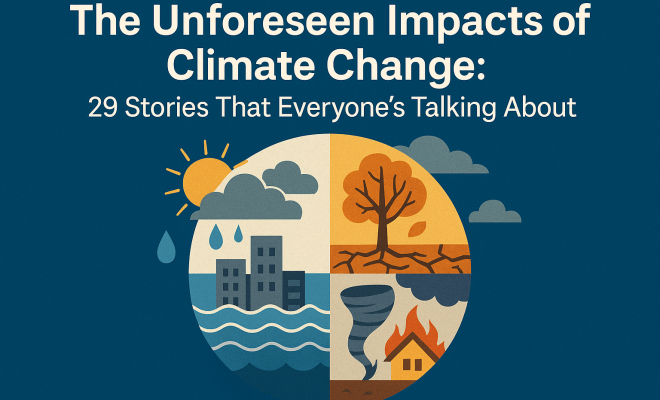
“`html
The urgency of climate change news is more palpable than ever as new reports emerge highlighting shocking data and urgent community needs. The week of June 28 to July 4, 2026, saw an explosive surge in social media engagement around climate-related topics, with a collection of 29 articles from Skeptical Science encapsulating the most pressing issues in the climate conversation. Each article reveals alarming findings about ecological systems on the brink of collapse, igniting intense discussions among scientists and the public alike.
Why Climate Change News is More Relevant Than Ever
With the world facing unprecedented environmental changes, climate change news has become a focal point for media, academia, and everyday citizens. The reports published during this week not only captured the immediate threats posed by climate change but also expressed the community’s emotional responses to these shifting realities. The fear of missing out on vital information drove people to share these articles widely, reflecting a growing awareness and urgency surrounding climate issues.
Emerging Ecological Threats
One of the more staggering aspects of the articles highlighted by Skeptical Science is the revelation of critical ecological areas that are in jeopardy. For example, recent studies pointed to the rapid deterioration of coral reefs and their ecosystems. As temperatures rise and ocean acidity increases, these vital habitats are facing unprecedented bleaching events. Such data is not only alarming for marine biodiversity but it also threatens the communities that depend on these ecosystems for their livelihoods.
Research suggests that the loss of coral reefs can lead to a significant decline in fish populations, which in turn impacts food security for millions. The articles underscore a stark reality: climate change isn’t just an environmental issue—it’s an economic and social crisis as well.
Community Resilience Amidst Climate Risks
Several stories within the compilation delve into the narratives of communities that are on the front lines of climate change. These articles often highlight the tireless efforts of local leaders and activists who are trying to mitigate the impacts of climate change. From grassroots initiatives to larger-scale adaptations, these stories offer a glimpse into how communities are not merely facing these challenges but are also innovating and finding ways to build resilience.
For instance, one article discussed a coastal town implementing natural barriers to protect against rising sea levels, showcasing the ingenious ways communities can adapt to their changing environments. Such pieces resonate deeply with readers, highlighting hope amidst the despair often associated with climate change.
Contradictory Climate Pathways Spark Debate
The compilation also featured discussions around divergent pathways for climate action. Some articles presented counterintuitive findings that challenged previously held beliefs about the effectiveness of certain climate interventions. For example, while renewable energy sources have been championed as the solution to fossil fuel dependency, some researchers pointed to the environmental costs associated with manufacturing solar panels and wind turbines.
This has led to a lively debate within the scientific community about the best ways to approach climate action. Such discussions are critical as they lay the groundwork for more nuanced policies and strategies to combat climate change effectively. It’s essential for the public to engage with these conversations, as they shape the political and economic landscapes that ultimately govern climate policy.
The Viral Nature of Climate Change News
The emotional weight carried by climate-related stories has a significant impact on their spread across social media platforms. Articles detailing the immediate risks faced by communities, particularly those in vulnerable regions, tend to evoke strong reactions. As people read about the catastrophic events impacting lives—be it hurricanes, wildfires, or flooding—they feel compelled to share these narratives.
One article that resonated particularly well discussed the devastating aftermath of wildfires in the Western United States. The graphic imagery and firsthand accounts of the affected communities struck a chord with readers, driving shares and discussions. This emotional engagement is crucial for raising awareness and prompting action among larger audiences. There’s a fuller look at the lengthening days.
Google Trends: A Snapshot of Public Interest
As climate change news surges in popularity, Google Trends data has shown a marked increase in searches related to climate risks and community responses. The queries are not merely academic but reflect a genuine concern for the future. This uptick in interest signifies that people are looking for answers and solutions, which is a positive step towards collective action. (See: The New York Times on climate change impacts.)
Such trends indicate that climate change news is not just a passing fad; it’s becoming a critical part of public discourse. With more people seeking out information, there’s an opportunity for educators, activists, and policymakers to engage these curious minds and foster a more informed citizenry.
Engaging with Climate Change News
For those looking to stay informed about climate issues, the articles from the recent Skeptical Science report are an excellent starting point. By engaging with these stories, readers can develop a more nuanced understanding of the challenges ahead and the paths available for action. Reading widely and critically is vital in an age where misinformation can easily spread.
Moreover, joining local climate action groups or online forums can provide a platform for discussion and collaboration. Sharing knowledge and strategies can empower communities and individuals to take meaningful actions in their own lives and encourage others to do the same. This builds on Supreme Court climate case.
The Role of Scientists and Journalists
Scientists and journalists play a pivotal role in shaping the climate change narrative. Their ability to distill complex research into accessible stories helps bridge the gap between scientific communities and the public. In the past week alone, the 29 articles compiled by Skeptical Science demonstrate the breadth of issues and the urgency with which they need to be addressed.
By effectively communicating the implications of research findings, scientists can engage the public in meaningful ways. Meanwhile, journalists must focus on ethical reporting that accurately depicts the realities of climate change while avoiding sensationalism. This partnership is key to fostering an informed public that demands accountability from policymakers.
What Can You Do? Action Steps for Individuals
Feeling overwhelmed by the deluge of climate change news? You’re not alone, but there are actionable steps you can take. Here are some ideas to get started:
- Stay Informed: Regularly read trustworthy climate change news to understand the issues at hand.
- Reduce Your Carbon Footprint: Consider ways to minimize your environmental impact, from using public transport to reducing waste.
- Advocate: Use your voice to advocate for climate action in your community—whether it’s through voting, participating in rallies, or contacting your representatives.
- Engage in Local Initiatives: Join or support local organizations focused on climate resilience and sustainability.
- Educate Others: Share what you learn with your friends and family to raise awareness about the urgency of climate issues.
Taking these proactive steps can empower individuals and communities alike to confront the challenges posed by climate change.
A Hopeful Future Amidst Chaos
While the articles from the past week paint a picture of looming threats, there is also a narrative of hope and resilience. Communities around the world are finding ways to adapt to changing climates, innovate sustainable practices, and advocate for meaningful policies. The growing interest in climate change news indicates that many are ready to take action and engage with these pressing issues.
Ultimately, the future may hinge on how effectively we can channel our collective anxiety into solutions. By staying informed and involved, we can contribute to a narrative that not only emphasizes the challenges of climate change but also celebrates the human spirit’s capacity to overcome adversity. After all, the fight against climate change is not just about survival; it’s about creating a sustainable future for generations to come.
Understanding the Economic Impact of Climate Change
Climate change doesn’t just pose environmental challenges; it also has significant economic implications. A 2021 report from the National Oceanic and Atmospheric Administration (NOAA) estimated that the U.S. has experienced climate-related costs of over $1 trillion in the past 40 years due to extreme weather. This figure is expected to rise as the frequency and intensity of climate events increase.
Industries such as agriculture, insurance, and tourism are being directly affected. For example, the agriculture sector faces threats from droughts and unpredictable weather patterns, which can lead to crop failures and food shortages. According to a report from the Intergovernmental Panel on Climate Change (IPCC), yields for staple crops could drop by up to 30% by 2050 if current trends continue.
Insurance companies are also feeling the pressure, as they face higher payouts due to climate-related disasters. This results in increased premiums for consumers, contributing to a cycle of economic strain. Moreover, countries that rely heavily on tourism are at risk of losing revenue as natural attractions are threatened by rising sea levels and changing ecosystems. (See: Scientific study on coral reef deterioration.)
International Responses to Climate Change
Countries around the globe are beginning to recognize the urgency of climate change and are taking action. The Paris Agreement, signed in 2016, was a landmark moment where nations pledged to limit global warming to below 2 degrees Celsius above pre-industrial levels. However, the effectiveness of such agreements often hinges on countries following through on their commitments. Earth's rotation slowdown offers useful background here.
As of 2023, a number of nations have set ambitious net-zero targets. For instance, the United Kingdom aims to reach net-zero greenhouse gas emissions by 2050. Similarly, countries like Sweden and Finland have implemented ambitious policies to reduce carbon emissions significantly. The effectiveness of these measures will largely depend on international cooperation and robust enforcement mechanisms.
Climate Change and Public Health
Public health is another area where climate change has far-reaching effects. Rising temperatures can exacerbate existing health conditions and create new health challenges. For example, heatwaves can lead to increased cases of heat stroke and respiratory issues, particularly among vulnerable populations such as the elderly and those with pre-existing health conditions.
Moreover, climate change is linked to the spread of infectious diseases. Warmer temperatures can create conducive environments for vectors like mosquitoes, increasing the risk of diseases such as malaria and dengue fever. The CDC reported that the incidence of tick-borne diseases has increased significantly in the U.S. over the last few decades, highlighting the urgent need for climate-smart public health strategies.
Frequently Asked Questions about Climate Change News
What are the most pressing issues in climate change today?
Some of the key issues include rising global temperatures, melting ice caps, ocean acidification, deforestation, and biodiversity loss. Each of these factors contributes to a broader crisis that affects ecosystems and human livelihoods.
How can individuals contribute to climate action?
Individuals can contribute by reducing their carbon footprint, supporting sustainable businesses, participating in community initiatives, and advocating for policy changes. Small changes in daily habits can collectively make a significant impact.
What role does social media play in spreading climate change awareness?
Social media is crucial for spreading information quickly and engaging a larger audience. It allows users to share personal stories, scientific findings, and calls to action, making it an effective platform for raising awareness and mobilizing support.
Are there any successful examples of climate action initiatives?
Yes, there are many successful initiatives worldwide. For instance, the city of Copenhagen aims to become carbon neutral by 2025 through investments in wind energy and extensive cycling infrastructure. Similarly, cities like San Francisco have pioneered zero waste initiatives that have significantly reduced landfill contributions.
How do climate change policies differ globally?
Policies can vary widely based on economic conditions, political will, and public awareness. While some countries have aggressive targets and comprehensive strategies, others may lag due to economic constraints or lack of public support. It’s important to monitor these differences, as they can impact global efforts to tackle climate change.
Future Trends in Climate Change News
As the world continues to grapple with climate change, the landscape of climate change news is also evolving. With advancements in technology and increasing data availability, we’re beginning to see more precise forecasting and reporting on climate-related events. For instance, satellite technology now allows for real-time monitoring of deforestation and changes in land use, providing journalists and scientists with the tools they need to report on these critical issues accurately. (See: CDC's resources on climate and health.)
Moreover, there’s a growing trend toward solutions journalism, which focuses not just on problems but also on effective responses and innovations. This shift helps to provide a more balanced view of climate change, showcasing successful initiatives and the positive impacts of community engagement. By highlighting stories of hope and resilience, this approach can inspire action and motivate others to become involved.
Impact of Climate Change on Biodiversity
The impact of climate change on biodiversity is profound and increasingly documented in climate change news. Species are being forced to adapt, migrate, or face extinction as their habitats change. For example, researchers have noted a 30% decrease in population sizes of various species over the last five decades, primarily due to habitat loss, climate change, and pollution.
One of the most alarming examples is the plight of polar bears, whose melting ice habitats in the Arctic threaten their survival. The International Union for Conservation of Nature (IUCN) has listed polar bears as vulnerable, with estimates suggesting that two-thirds of their populations could decline by 2050 if current trends continue.
This loss of biodiversity has cascading effects on ecosystems and human well-being. Healthy ecosystems provide essential services such as pollination, water purification, and climate regulation. Protecting biodiversity, therefore, becomes a crucial part of any climate change action plan.
The Role of Young Activists
The recent surge in climate change news has been significantly influenced by young activists who are passionately advocating for urgent action. Figures like Greta Thunberg have galvanized a global movement, inspiring millions of young people to take a stand against climate inaction. Their voices are crucial in shaping public discourse and driving home the urgency of climate issues.
These young leaders often utilize social media effectively to spread their messages, organize strikes, and mobilize their peers. Their fresh perspectives challenge traditional approaches to activism and engage a demographic that feels directly impacted by climate change. The rise of youth activism underscores the importance of empowering the next generation to shape the future of climate policy. We covered surging interest in climate change in more detail.
Conclusion: The Path Forward
As we continue to absorb the latest climate change news, it’s clear that the path forward requires collective action, informed decision-making, and a commitment to sustainable practices. Each article, each report, and each shared story contributes to a growing tapestry of awareness that can lead to meaningful change. It’s not just about understanding the threats we face but also about recognizing our capacity to respond effectively.
So, let’s stay engaged, support credible climate journalism, and take actionable steps in our own lives. The future of our planet depends on it.
“`
Trending Now
Frequently Asked Questions
What are the main impacts of climate change on ecosystems?
Climate change significantly impacts ecosystems by causing rapid deterioration of habitats like coral reefs. Rising temperatures and ocean acidity lead to bleaching events, threatening marine biodiversity and the livelihoods of communities dependent on these ecosystems.
Why is climate change news important right now?
Climate change news is crucial due to the urgency of environmental changes affecting daily life. Recent reports highlight alarming data that drives public awareness and engagement, reflecting a collective need to address the escalating climate crisis.
How does climate change affect food security?
Climate change threatens food security by impacting marine ecosystems, particularly coral reefs. The decline in fish populations due to habitat loss leads to reduced availability of food sources for millions, making climate change an economic and social crisis.
What role do communities play in addressing climate change?
Communities are vital in addressing climate change by promoting resilience and sharing information. The emotional responses to climate threats drive community engagement, fostering discussions and initiatives aimed at mitigating the impacts of climate change.
What are the emotional responses to climate change reported in the media?
Media reports on climate change capture the emotional responses of communities facing environmental threats. Increased fear and urgency around climate issues encourage public discourse and sharing of information, highlighting a growing awareness of the crisis.
What did we miss? Let us know in the comments and join the conversation.