US-Iran Negotiations Fail in 2026: Diplomatic Rift Deepens
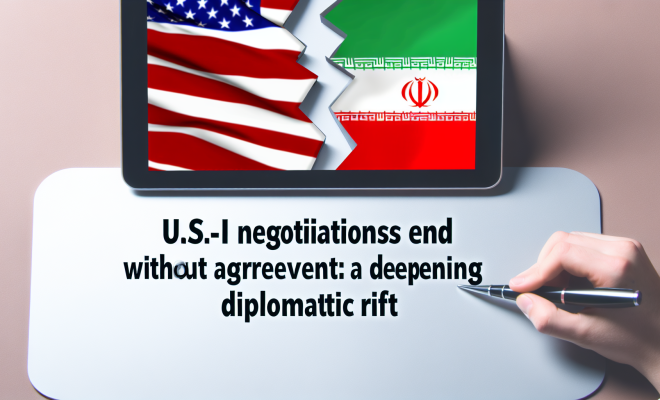
Islamabad, Pakistan – In a significant development on the diplomatic front, Vice President JD Vance announced that the United States and Iran were unable to forge an agreement following extensive negotiations in Islamabad on April 12, 2026. The discussions, characterized by their marathon duration, highlight the ongoing complexities and tensions that have defined U.S.-Iran relations for decades.
Marathon Talks Yield No Resolution
The high-profile talks, which extended for several hours, included direct participation from Vice President Vance and Iranian officials. Despite the protracted nature of the discussions, both sides emerged without a consensus, further complicating an already strained relationship. This meeting was particularly notable given the backdrop of escalating tensions in the region, which have been fueled by a series of military and political confrontations between the two nations.
The Context of U.S.-Iran Relations
The diplomatic impasse reflects a broader pattern in U.S.-Iran relations, which have been fraught with conflict since the 1979 Iranian Revolution. Over the years, the U.S. has implemented various sanctions against Iran, citing its nuclear program and regional military activities as primary concerns. In response, Iran has often retaliated with aggressive rhetoric and actions, further exacerbating the tensions.
Key Figures and Their Roles
During the Islamabad talks, Vice President Vance represented a U.S. administration eager to stabilize its foreign relations and seek a peaceful resolution to ongoing conflicts. Iranian officials, on the other hand, have maintained a hardline stance, insisting on their right to pursue nuclear activities while also criticizing U.S. interventions in the Middle East.
- JD Vance: U.S. Vice President advocating for diplomatic solutions.
- Iranian Officials: Representatives maintaining a hardline stance on nuclear rights and regional influence.
The absence of a deal following these negotiations raises questions about the future of diplomatic efforts in this volatile region. Many analysts suggest that without a breakthrough, the likelihood of further escalation increases, especially given the historical animosities that underpin U.S.-Iran relations.
Regional Implications of the Stalemate
The failure to reach an agreement has significant implications for the Middle East, a region already grappling with a multitude of challenges, including ongoing conflicts in Syria and Yemen, and the rising influence of non-state actors. The U.S. and Iran are pivotal players in these conflicts, and their inability to find common ground could lead to increased instability.
Moreover, the lack of resolution may embolden extremist groups that thrive in environments of chaos and conflict. The situation could also impact U.S. allies in the region, particularly Israel and Saudi Arabia, who view Iran’s nuclear ambitions as a direct threat to their national security.
Public and Political Reactions
The news of the unsuccessful negotiations has elicited varied reactions from political leaders and analysts. Some view the outcome as a missed opportunity for peace, while others argue that a lack of agreement might prevent an immediate escalation of military confrontation.
Critics of the current administration have voiced concerns over what they see as a failure to adequately address Iranian aggression and nuclear ambitions. Supporters, however, argue that the diplomatic route remains the best option, despite the challenges.
- Critics: Argue that the U.S. is not being firm enough with Iran.
- Supporters: Believe that diplomacy is crucial, even in the face of setbacks.
Future Prospects for Diplomacy
Looking ahead, the question remains: what will it take for the U.S. and Iran to come to the negotiating table with a willingness to reach a compromise? Experts suggest that both nations must be willing to engage in meaningful dialogue and make concessions, a daunting task given the entrenched positions held by both sides.
Furthermore, the role of international mediators could be crucial in facilitating discussions between Washington and Tehran. Countries such as China and Russia have expressed interest in playing a more active role in stabilizing the region, which could provide an avenue for renewed negotiations.
Conclusion
The failure of the U.S. and Iran to reach an agreement in Islamabad signifies a continuing cycle of diplomatic challenges and regional instability. As Vice President Vance returns to Washington, the implications of these talks will undoubtedly resonate throughout the political landscape, influencing both domestic and foreign policy discussions. The world watches closely, as the stakes are high and the path forward remains uncertain.