DHS Shutdown 2026: US Airports Face 3-Hour Security Delays
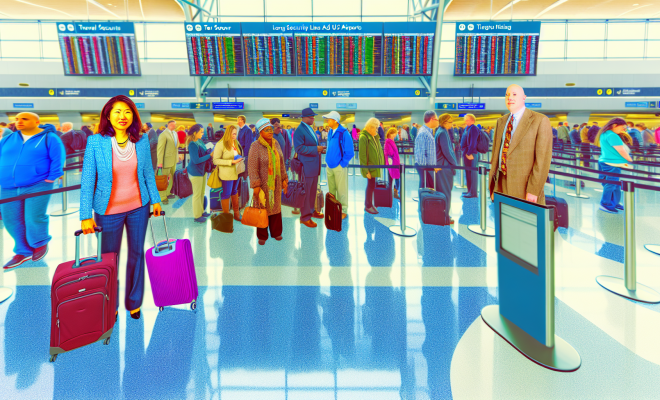
Travelers across the United States are experiencing unprecedented delays at major airports due to a shutdown of the Department of Homeland Security (DHS). This disruption, which has significantly slowed down security checks and baggage screenings, is forcing passengers to endure waits of over three hours in some instances, particularly at major hubs like John F. Kennedy International Airport (JFK), Los Angeles International Airport (LAX), and Hartsfield-Jackson Atlanta International Airport.
Impact of the DHS Shutdown
As of March 11, 2026, the operational issues stemming from the DHS shutdown have led to widespread chaos across the aviation sector. With more than 1,200 flights delayed, the ripple effects of the funding disputes are being felt by travelers nationwide. The situation has escalated particularly due to a 40% reduction in Transportation Security Administration (TSA) staffing, severely impacting the pace of security checks and baggage handling.
Travelers Face Long Waits
Reports from various airports indicate alarming wait times that are testing the patience of even the most seasoned travelers. At JFK, which is one of the busiest airports in the United States, lines have formed snaking through terminals, with some passengers reporting that they have waited upwards of three hours just to get through security. Similar scenes are playing out at LAX and Atlanta, with frustrated travelers posting their experiences on social media, highlighting the chaos.
Flight Delays and Cancellations
- Over 1,200 flights delayed as of March 11, 2026.
- Travelers are experiencing waits exceeding three hours at major airports.
- Airlines are issuing waivers for rebookings due to the unforeseen circumstances.
The delays have not only impacted the travel plans of thousands but have also raised concerns about the economic consequences for airlines and airport operations. The financial ramifications are significant, as each delayed flight can lead to increased operational costs and customer dissatisfaction.
Reasons Behind the Shutdown
The current shutdown is largely attributed to funding disputes related to the ongoing conflict in Iran. As tensions escalate, federal funding for various departments, including the DHS, has become a contentious issue among lawmakers. The inability to reach a budget agreement has resulted in significant operational cutbacks within the TSA, leading to a staffing crisis that has left many airports struggling to manage the security process efficiently.
Airlines Respond
In light of the ongoing situation, airlines are taking steps to mitigate the impact on their customers. Many carriers have begun issuing travel waivers, allowing passengers to change their flight plans without incurring additional fees. This response aims to alleviate some of the frustrations faced by travelers who may need to adjust their itineraries due to the extended delays and overall travel chaos.
- Major airlines are offering waivers for rebooking.
- Passengers are encouraged to check flight status regularly.
- Travelers are advised to arrive at the airport well in advance of their scheduled flights.
Travelers are advised to stay updated on their flight status and to arrive at the airport well ahead of their scheduled departure times, as the situation remains fluid and could change rapidly. The combination of increased travel volume and reduced TSA staffing makes it critical for passengers to exercise patience and plan accordingly.
The Broader Implications
The current airport delays and the DHS shutdown raise essential questions about the resilience of the nation’s transportation infrastructure in times of crisis. As the government grapples with funding disputes, the repercussions are felt not only by travelers but also by the broader economy, which relies heavily on the aviation sector for both business and leisure travel.
While travelers are left to navigate the fallout of this situation, the hope remains that a resolution can be reached quickly to restore normalcy to airport operations. With summer travel season approaching, the aviation industry will need to address these challenges head-on to ensure a smooth experience for passengers in the coming months.
In conclusion, the ongoing DHS shutdown has created a tumultuous environment for air travel in the United States. As long lines form and delays mount, the urgency for a resolution becomes increasingly critical to restore confidence in the nation’s airports and the travel experience as a whole.