The Edvocate

Top Menu

Main Menu

  • Start Here
    • Our Brands
    • Governance
      • Lynch Education Consulting, LLC.
      • Dr. Lynch’s Personal Website
      • Careers
    • Write For Us
    • Books
    • The Tech Edvocate Product Guide
    • Contact Us
    • The Edvocate Podcast
    • Edupedia
    • Pedagogue
    • Terms and Conditions
    • Privacy Policy
  • PreK-12
    • Assessment
    • Assistive Technology
    • Best PreK-12 Schools in America
    • Child Development
    • Classroom Management
    • Early Childhood
    • EdTech & Innovation
    • Education Leadership
    • Equity
    • First Year Teachers
    • Gifted and Talented Education
    • Special Education
    • Parental Involvement
    • Policy & Reform
    • Teachers
  • Higher Ed
    • Best Colleges and Universities
    • Best College and University Programs
    • HBCU’s
    • Diversity
    • Higher Education EdTech
    • Higher Education
    • International Education
  • Advertise
  • The Tech Edvocate Awards
    • The Awards Process
    • Finalists and Winners of The 2026 Tech Edvocate Awards
    • Finalists and Winners of The 2025 Tech Edvocate Awards
    • Finalists and Winners of The 2024 Tech Edvocate Awards
    • Finalists and Winners of The 2023 Tech Edvocate Awards
    • Finalists and Winners of The 2021 Tech Edvocate Awards
    • Finalists and Winners of The 2022 Tech Edvocate Awards
    • Finalists and Winners of The 2020 Tech Edvocate Awards
    • Finalists and Winners of The 2019 Tech Edvocate Awards
    • Finalists and Winners of The 2018 Tech Edvocate Awards
    • Finalists and Winners of The 2017 Tech Edvocate Awards
    • Award Seals
  • Apps
    • GPA Calculator for College
    • GPA Calculator for High School
    • Cumulative GPA Calculator
    • Grade Calculator
    • Weighted Grade Calculator
    • Final Grade Calculator
  • The Tech Edvocate
  • Post a Job
  • AI Powered Personal Tutor

logo

The Edvocate

  • Start Here
    • Our Brands
    • Governance
      • Lynch Education Consulting, LLC.
      • Dr. Lynch’s Personal Website
        • My Speaking Page
      • Careers
    • Write For Us
    • Books
    • The Tech Edvocate Product Guide
    • Contact Us
    • The Edvocate Podcast
    • Edupedia
    • Pedagogue
    • Terms and Conditions
    • Privacy Policy
  • PreK-12
    • Assessment
    • Assistive Technology
    • Best PreK-12 Schools in America
    • Child Development
    • Classroom Management
    • Early Childhood
    • EdTech & Innovation
    • Education Leadership
    • Equity
    • First Year Teachers
    • Gifted and Talented Education
    • Special Education
    • Parental Involvement
    • Policy & Reform
    • Teachers
  • Higher Ed
    • Best Colleges and Universities
    • Best College and University Programs
    • HBCU’s
    • Diversity
    • Higher Education EdTech
    • Higher Education
    • International Education
  • Advertise
  • The Tech Edvocate Awards
    • The Awards Process
    • Finalists and Winners of The 2026 Tech Edvocate Awards
    • Finalists and Winners of The 2025 Tech Edvocate Awards
    • Finalists and Winners of The 2024 Tech Edvocate Awards
    • Finalists and Winners of The 2023 Tech Edvocate Awards
    • Finalists and Winners of The 2021 Tech Edvocate Awards
    • Finalists and Winners of The 2022 Tech Edvocate Awards
    • Finalists and Winners of The 2020 Tech Edvocate Awards
    • Finalists and Winners of The 2019 Tech Edvocate Awards
    • Finalists and Winners of The 2018 Tech Edvocate Awards
    • Finalists and Winners of The 2017 Tech Edvocate Awards
    • Award Seals
  • Apps
    • GPA Calculator for College
    • GPA Calculator for High School
    • Cumulative GPA Calculator
    • Grade Calculator
    • Weighted Grade Calculator
    • Final Grade Calculator
  • The Tech Edvocate
  • Post a Job
  • AI Powered Personal Tutor
  • The Bold Move That Just Changed Everything for New Parents in One County

  • The Brutal Truth: Why AI in Education Could Be Wrecking Our Kids’ Minds

  • Urgent: Millions Face Brutal Wage Seizures Over Student Loans – Are You Next?

  • Why AI-Driven Learning Is Absolutely Crushing Traditional Training Methods

  • 8 Crucial Steps to Land a Learning & Development Role in EdTech, Fast

  • The AI Skill Gap: Why These Certifications Are Your Golden Ticket in L&D

  • The AI Revolution: What 700+ Learning & Development Jobs Are Telling Us About Your Future

  • Shocking: AI Makes College Degrees *More* Important, Not Less – Here’s Why

  • Why AI Makes a College Degree More Important, Not Less

  • This One Thing Proves College Degrees Are MORE Important Than Ever in the AI Job Market

Uncategorized
Home›Uncategorized›Transforming Cybersecurity: The Rise of Autonomous AI Agents

Transforming Cybersecurity: The Rise of Autonomous AI Agents

By Matthew Lynch
March 29, 2026
0
Spread the love

In the evolving landscape of cybersecurity, artificial intelligence (AI) is reshaping how enterprises manage risks and respond to threats. Traditional tool-based security models are being supplanted by autonomous AI agents that operate as integrated components of security infrastructures. This shift signifies a profound change in the approach organizations take toward threat detection, response, and overall security posture management.

The Evolution of Cybersecurity Frameworks

Historically, organizations relied on a patchwork of standalone security tools designed to tackle specific threats. These tools required significant human oversight, leading to a reactive rather than proactive security stance. However, the advent of AI agents introduces a new paradigm: these systems function with a high degree of autonomy and are capable of making real-time decisions based on the data they analyze.

Autonomous AI Agents: A New Approach

Unlike generative AI systems that produce new content based on existing information, autonomous AI agents are embedded within the security infrastructure, which allows them to not only detect threats but also respond to them without human intervention. This capability enhances the speed and effectiveness of security responses, ultimately reducing the window of vulnerability in which attacks can occur.

Capabilities and Benefits

  • Real-Time Threat Detection: AI agents can analyze vast amounts of data at unprecedented speeds, identifying anomalies and potential threats as they emerge.
  • Automated Response Mechanisms: Once a threat is detected, these agents can initiate predefined response protocols, mitigating the risk of an attack before human analysts are even aware of the issue.
  • Continuous Learning: AI agents leverage machine learning algorithms to continuously improve their threat detection and response capabilities, adapting to new threats as they evolve.
  • Resource Optimization: By automating routine security tasks, organizations can free up valuable human resources to focus on more complex challenges, improving overall efficiency.

New Risk Vectors Introduced

While the advantages of AI agents are significant, they also introduce novel risks that organizations must consider. The integration of autonomous systems into cybersecurity frameworks raises critical questions about the implications of relying on AI for security operations.

Challenges of Autonomy

One of the primary concerns is the potential for AI agents to misinterpret data or make erroneous decisions. This lack of human oversight can lead to unintended consequences, such as false positives that may overwhelm security teams or, conversely, failing to detect genuine threats. The complexity of AI decision-making processes also makes it challenging to audit and understand how decisions are made, creating a black box scenario that can complicate incident response efforts.

Ethical Considerations

As organizations adopt autonomous AI agents, they must also navigate the ethical implications of their use. Issues such as privacy, accountability, and transparency arise, particularly when AI systems make decisions that impact individuals’ personal data or security. Establishing guidelines and frameworks for responsible AI use in cybersecurity is essential to address these ethical dilemmas.

Strategic Implementation of AI Agents

For organizations looking to integrate AI agents into their cybersecurity strategies, a thoughtful approach is imperative. Here are some key considerations for successful implementation:

  • Assessment of Current Security Posture: Organizations should evaluate their existing security frameworks and identify gaps that AI agents can address.
  • Training and Education: Ensuring that security teams understand how AI agents operate and the risks they pose is crucial for effective management.
  • Establishing Governance Structures: Clear governance policies should be developed to outline the roles and responsibilities of both AI agents and human security analysts.
  • Continuous Monitoring and Adjustment: As AI agents learn and adapt, organizations must continuously monitor their performance and make adjustments as necessary to align with evolving threats.

Conclusion

The rise of autonomous AI agents in enterprise cybersecurity marks a significant evolution in how organizations approach risk management and threat response. While these systems offer enhanced capabilities and efficiencies, they also present new challenges and risks that must be carefully managed. By adopting a strategic approach to implementation and governance, organizations can harness the power of AI to bolster their cybersecurity defenses while navigating the complexities of this transformative technology.


Previous Article

AI in Cybersecurity: Disruption, Limits, and Human ...

Next Article

Teen Nutrition & Mental Health: Swansea Uni’s ...

Matthew Lynch

Related articles More from author

  • Uncategorized

    The 12 Best Countries to Study Abroad

    June 28, 2026
    By Matthew Lynch
  • Uncategorized

    How Judy Blume’s Deenie Helped Destigmatize Masturbation

    January 2, 2025
    By Matthew Lynch
  • Uncategorized

    Crafting a Tech Buying Philosophy for Enhanced Student Learning

    January 2, 2025
    By Matthew Lynch
  • Uncategorized

    Mastering AI in Early Childhood Education: 7 Essential Steps

    July 28, 2026
    By Matthew Lynch
  • Uncategorized

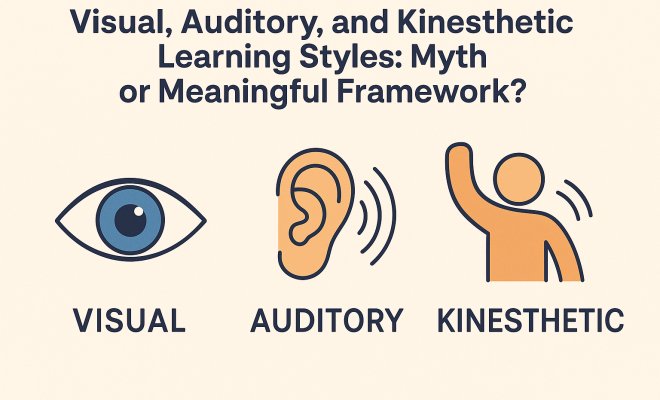
    VAK Learning Styles: Myth or Meaningful Framework?

    June 22, 2026
    By Matthew Lynch
  • Uncategorized

    6 New Books We Recommend This Week

    January 2, 2025
    By Matthew Lynch

Search

Registration and Login

  • Log in
  • Entries feed
  • Comments feed
  • WordPress.org

Newsletter

Signup for The Edvocate Newsletter and have the latest in P-20 education news and opinion delivered to your email address!

RSS feed: Matthew on Education Week Matthew on Education Week

  • Au Revoir from Education Futures November 20, 2018 Matthew Lynch
  • 6 Steps to Data-Driven Literacy Instruction October 17, 2018 Matthew Lynch
  • Four Keys to a Modern IT Approach in K-12 Schools October 2, 2018 Matthew Lynch
  • What's the Difference Between Burnout and Demoralization, and What Can Teachers Do About It? September 27, 2018 Matthew Lynch
  • Revisiting Using Edtech for Bullying and Suicide Prevention September 10, 2018 Matthew Lynch

About Us

The Edvocate was created in 2014 to argue for shifts in education policy and organization in order to enhance the quality of education and the opportunities for learning afforded to P-20 students in America. What we envisage may not be the most straightforward or the most conventional ideas. We call for a relatively radical and certainly quite comprehensive reorganization of America’s P-20 system.

That reorganization, though, and the underlying effort, will have much to do with reviving the American education system, and reviving a national love of learning.  The Edvocate plans to be one of key architects of this revival, as it continues to advocate for education reform, equity, and innovation.

Newsletter

Signup for The Edvocate Newsletter and have the latest in P-20 education news and opinion delivered to your email address!

Contact

The Edvocate
910 Goddin Street
Richmond, VA 23230
(601) 630-5238
[email protected]
  • situs togel online
  • dentoto
  • situs toto 4d
  • situs toto slot
  • toto slot 4d
Copyright (c) 2026 Matthew Lynch. All rights reserved.