GLP-1 Drugs: Balancing Soaring Demand, Access & Affordability
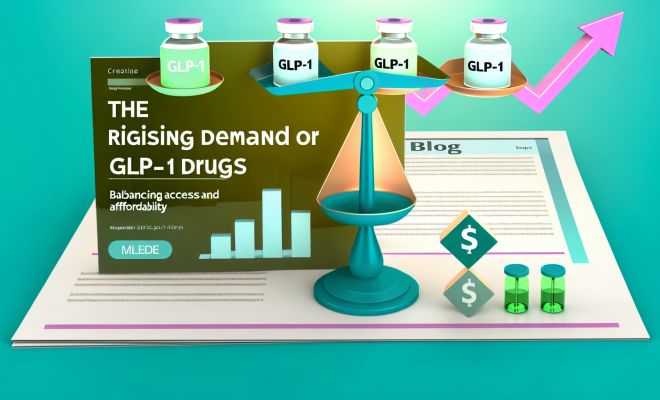
In recent years, the landscape of weight management and diabetes treatment has dramatically shifted, primarily due to the introduction of GLP-1 (glucagon-like peptide-1) receptor agonists like Ozempic. These medications, initially developed to aid those with type 2 diabetes, have gained significant traction for their off-label use in weight loss and managing conditions such as sleep apnea. A staggering one in eight Americans are currently utilizing GLP-1 drugs, highlighting their increasing popularity and the intense demand surrounding them.
The Growing Popularity of GLP-1 Medications
The surge in GLP-1 prescriptions can be attributed to their effectiveness in promoting weight loss and improving metabolic health. With obesity rates climbing in the United States and the associated health complications becoming more prevalent, these medications have emerged as a beacon of hope for many. According to recent surveys, nearly one-third of American workers are willing to switch jobs solely to gain access to these potentially life-changing medications, underscoring their critical importance to individuals’ health and well-being.
Employer Healthcare Budgets Under Strain
As demand for GLP-1 drugs swells, so too does the financial burden on employer healthcare plans. Employers are grappling with the escalating costs associated with these treatments, which can run into thousands of dollars annually per patient. The combination of high demand and premium pricing has sparked a debate on whether introducing eligibility requirements—essentially requiring individuals to ‘work’ for access to these medications—could be a viable solution to manage costs.
The Policy Trade-Offs
During a recent discussion hosted by Dan Gorenstein, the complexities of this issue were thoroughly examined. The concept of requiring certain criteria or lifestyle modifications to qualify for GLP-1 therapy raises significant ethical and practical questions. On one hand, such policies could potentially alleviate some financial pressure on employers and insurers. On the other hand, they risk creating barriers to access that might disproportionately affect vulnerable populations.
- Potential Benefits of Restrictions: Proponents argue that establishing eligibility criteria could encourage healthier lifestyle choices. For instance, if individuals had to demonstrate a commitment to diet and exercise before receiving prescriptions, it might foster a culture of wellness within workplaces.
- Concerns Over Access: Critics, however, warn that these requirements could lead to discrimination against those who are unable to meet such standards due to various factors, including economic disparities, existing health conditions, or lack of resources.
Understanding the Implications
Implementing a ‘work-for-it’ approach could lead to significant implications beyond just financial savings. It could also affect how people perceive their health and the healthcare system. If access to GLP-1 drugs becomes contingent upon certain behaviors, it might instill a sense of shame or stigma among those who struggle with weight management or diabetes.
Moreover, the conversation surrounding GLP-1 medications cannot be divorced from broader issues of healthcare equity. Access to innovative treatments should ideally be equitable, ensuring that all individuals, regardless of socio-economic status, have the opportunity to benefit from advancements in medicine.
The Future of GLP-1 Access
As the debate continues, it’s clear that the future of GLP-1 access will require collaboration among various stakeholders, including healthcare providers, employers, insurers, and policymakers. Finding a sustainable model that balances affordability with equitable access is paramount.
- Innovative Payment Models: Some experts suggest exploring alternative payment models that could reduce upfront costs for employers while ensuring patients can access necessary treatments without stringent preconditions.
- Education and Support: Increasing education around diabetes, obesity, and treatment options can empower individuals to make informed decisions about their health and wellness.
Conclusion
The conversation surrounding GLP-1 drugs like Ozempic reflects deeper societal issues regarding health, access, and personal responsibility. As demand for these medications grows, so too does the responsibility of the healthcare system to ensure that all individuals can access effective treatments without facing undue barriers. The challenge will be to navigate these complex waters thoughtfully, seeking solutions that prioritize health equity while addressing the financial realities of modern healthcare.