Remote Work & Mental Health: Navigating Challenges in 2024
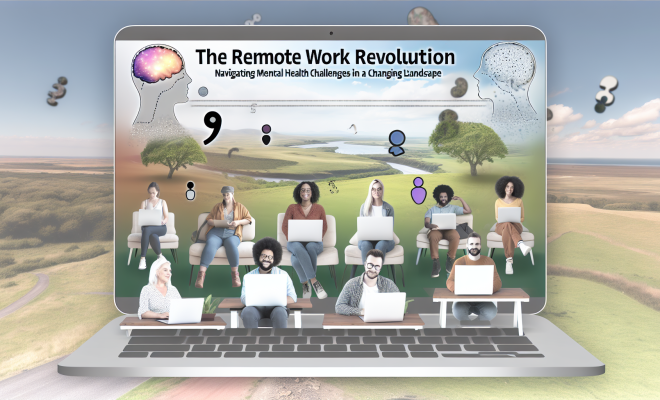
As the world has shifted toward remote work in recent years, the implications for mental health and well-being have become increasingly significant. This transition, while offering flexibility and convenience, has also introduced a host of challenges, particularly among vulnerable populations. This article delves into the effects of remote work on mental health, especially focusing on children and youth, as well as other demographics that may be adversely affected.
The Rise of Remote Work
The COVID-19 pandemic accelerated the adoption of remote work, prompting a massive shift in how businesses operate and how employees engage with their work environments. According to a report by McKinsey & Company, nearly 20 to 25% of the workforce in advanced economies could work remotely three to five days a week without a loss in productivity.
This new normal has its advantages, such as reduced commute times, increased flexibility, and the opportunity for a better work-life balance. However, it also raises concerns about mental health, particularly for those who may lack the necessary support systems.
Understanding Mental Health in Remote Work
Remote work can impact mental health in various ways:
- Isolation: Working from home can lead to feelings of loneliness and disconnection from colleagues. The absence of social interaction that typically occurs in a traditional office setting can exacerbate feelings of isolation.
- Work-life balance: The blurred lines between work and personal life can lead to overworking, stress, and burnout. Individuals may find it challenging to switch off from work, leading to anxiety and fatigue.
- Distraction: Home environments can be filled with distractions that affect productivity and mental well-being. Children, household chores, and other interruptions can create stress for working parents.
- Support systems: Many employees may miss the informal support systems that come from workplace relationships, leading to a lack of emotional and professional support.
The Impact on Children and Youth
Among the most vulnerable populations affected by remote work are children and youth. The shift to remote learning during the pandemic has highlighted significant concerns regarding their mental health and developmental challenges.
Academic Performance
Remote learning has posed challenges for many students. Without the structure and social interaction of a traditional classroom, many children struggle to stay engaged and motivated. Research has shown that:
- Students who lack access to technology or a conducive learning environment at home may fall behind academically.
- Isolation from peers can hinder social development and emotional growth.
- Academic challenges can lead to increased anxiety and stress among students, further impacting their mental health.
Behavioral Challenges
Parents and educators have reported a rise in behavioral issues among children during periods of remote learning. These challenges can manifest in various ways:
- Increased irritability and mood swings
- Difficulty concentrating and following instructions
- Withdrawal from social activities and friends
Without proper support systems, children and youth may struggle with these challenges, leading to long-term developmental issues.
Strategies for Supporting Mental Health in Remote Work
As remote work continues to be a fixture in many workplaces, it is crucial to implement strategies to support mental health. Here are some approaches that can be beneficial:
Establishing Boundaries
Setting clear boundaries between work and personal time can help mitigate stress. Individuals should establish a routine that includes designated work hours and time for relaxation and family activities.
Encouraging Social Connections
Employers can foster social interaction through virtual team-building activities, regular check-ins, and online social events. Encouraging employees to connect with colleagues can help reduce feelings of isolation.
Providing Resources and Support
Organizations should offer mental health resources, such as access to counseling services, workshops on stress management, and tools for maintaining work-life balance.
The Role of Employers
Employers play a critical role in promoting mental health in remote work settings. By prioritizing employee well-being, organizations can create a healthier work environment:
- Training for Managers: Equip managers with the skills to recognize signs of mental health struggles and how to support their teams effectively.
- Fostering an Open Culture: Encourage open discussions about mental health, reducing stigma and creating a supportive atmosphere.
- Flexible Policies: Implement flexible work policies that accommodate employees’ needs, especially for those with caregiving responsibilities.
Addressing the Needs of Vulnerable Populations
While remote work affects everyone, certain groups may experience heightened challenges. Special attention should be given to:
- Low-Income Families: Children from low-income households may lack access to technology and a suitable learning environment.
- Individuals with Pre-existing Mental Health Conditions: Those already struggling with mental health issues may find remote work exacerbates their challenges.
- Parents: Parents juggling remote work and childcare face unique stressors that require targeted support.
Conclusion
The transition to remote work has brought about significant changes in how we approach work and life. While it offers many advantages, it also necessitates a careful examination of its effects on mental health, particularly for vulnerable populations like children and youth. By implementing effective strategies, fostering supportive environments, and addressing the unique needs of different demographics, we can navigate this remote work landscape while prioritizing mental well-being for all.
As organizations continue to adapt to this new era, the commitment to mental health must remain at the forefront, ensuring that all employees, especially those most at risk, receive the support they need to thrive in both their professional and personal lives.