AI in Education: Critical Thinking vs. Convenience in 2024
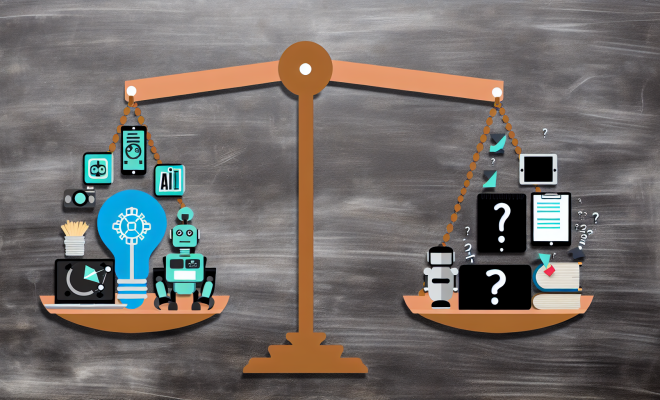
The integration of AI in education is transforming how students learn, but it raises significant questions about the future of critical thinking skills. As generative AI tools become more prevalent, the educational landscape is experiencing a seismic shift, prompting a critical examination of how these technologies are impacting students’ cognitive development. A concerning trend has emerged: students are increasingly relying on AI to bypass the essential cognitive struggle necessary for deep learning. This friction—synthesizing, organizing, and articulating ideas—is fundamental to the development of critical thinking.
The Rise of Generative AI in Educational Settings
As AI technologies advance, many schools are embracing them as tools to facilitate learning. However, this surge in AI adoption is not without controversy. While proponents argue that these technologies can enhance learning experiences and provide personalized feedback, critics warn that they may undermine the mental rigor required for authentic education.
Research from the American Association of University Professors (AAUP) indicates a correlation between the increasing dependence on AI and a decline in students’ critical thinking skills. This has sparked widespread debate among parents, teachers, and students about the future implications of AI in education.
The Cognitive Cost of Convenience
At the heart of the discussion lies the idea that AI might facilitate a shortcut to learning. When students use AI tools to generate essays or solve complex problems, they may miss out on the cognitive struggle that enhances their learning experience. This struggle is vital for:
- Synthesis: Combining different ideas to form a cohesive understanding.
- Organization: Structuring thoughts in a logical manner.
- Articulation: Clearly expressing ideas in writing or verbally.
While these AI technologies can produce impressive results, the concern is that students are becoming accustomed to receiving information in a pre-packaged format, rather than engaging with the material on a deeper level.
The Emotional Investment in the AI Debate
The debate surrounding AI in education is not just academic; it’s deeply personal. For many, the implications of AI on critical thinking are profoundly emotional. Parents worry about their children’s intellectual growth, while educators fear for the integrity of their teaching methods. The growing reliance on AI tools has led to passionate discussions on social media, with hashtags related to this topic trending frequently.
In various online forums, educators express concerns about the long-term cognitive consequences of students’ dependency on AI. They argue that if students do not engage in the necessary mental exercises, they may emerge from school lacking crucial skills needed for success in higher education and the workforce.
Statistics Amplifying Concerns
Data revealing declining critical thinking skills among students who heavily rely on AI tools is being shared widely. A recent study indicated that students who used AI for their writing assignments scored on average 20% lower in critical thinking assessments compared to their peers who engaged in traditional learning methods. This staggering statistic has fueled fears that the very foundation of education is at risk.
Such findings are alarming and have prompted educational institutions to reconsider their approach to technology in the classroom. As a result, many schools are beginning to implement policies that either restrict AI use or seek to educate students about responsible use of these tools.
Should Schools Restrict AI Access?
The question of whether educational institutions should restrict access to AI tools has sparked a polarizing debate. On one side, advocates for restriction argue that limiting AI access could preserve the integrity of critical thinking development. They believe that students should engage in traditional learning methods that require effort and cognitive engagement.
On the other side, opponents argue that restricting AI goes against the very essence of education: to prepare students for a rapidly changing world. They advocate for teaching students how to use AI responsibly and effectively—teaching them not to rely on it but to leverage it for enhanced learning.
Balancing AI Integration and Critical Thinking
The challenge lies in finding a balanced approach that allows for the integration of AI while also ensuring that critical thinking skills are nurtured. Some educators propose incorporating AI into the curriculum in a way that encourages critical engagement. For example:
- AI-Assisted Projects: Students could use AI to collect data or analyze trends, but they would still need to synthesize the information and present their findings critically.
- Ethics of AI: Courses could include discussions about the ethical implications of AI, prompting students to think critically about its impact on society.
- Reflection and Analysis: After using AI tools, students could be required to reflect on their learning process, articulating what they learned and how they engaged with the material.
This approach aims to harness the benefits of AI while ensuring that students engage deeply with their learning, fostering the critical thinking skills that are essential for their future success.
The Future of AI in Education
As the conversation around AI in education continues to evolve, it is clear that the stakes are high. The ability to think critically is paramount in today’s world, where information is abundant but discernment is scarce. Schools must navigate the complexities of AI integration thoughtfully, weighing the benefits against potential drawbacks.
For educators, the challenge is to remain adaptable, finding innovative ways to incorporate AI without compromising the core values of education. This responsibility extends to parents and policymakers as well, who must engage in discussions about the best paths forward.
Fostering a Generation of Independent Thinkers
The ultimate goal should be to foster a generation of independent thinkers who are not only technologically savvy but also equipped with the critical thinking skills necessary to navigate an increasingly complex world. AI has the potential to be a valuable tool in this endeavor, but it must be used thoughtfully and strategically.
By encouraging students to engage with AI as a supplement to, rather than a replacement for, traditional learning methods, we can help ensure that they develop the cognitive skills needed for success in both academics and life.
Conclusion: A Call to Action
The debate surrounding AI in education and critical thinking is far from over. As educators, parents, and students engage in this ongoing conversation, it is essential to remain informed and proactive. We must advocate for educational practices that prioritize critical thinking while recognizing the potential benefits of AI technologies.
In a rapidly changing educational environment, let us not forget the importance of cognitive struggle, the art of synthesis, and the power of articulation. Together, we can shape an educational future that equips students for success in a world where AI is ubiquitous, and independent thought remains invaluable.