AI’s Impact on Education: 7 Essential Skills for Students by 2026
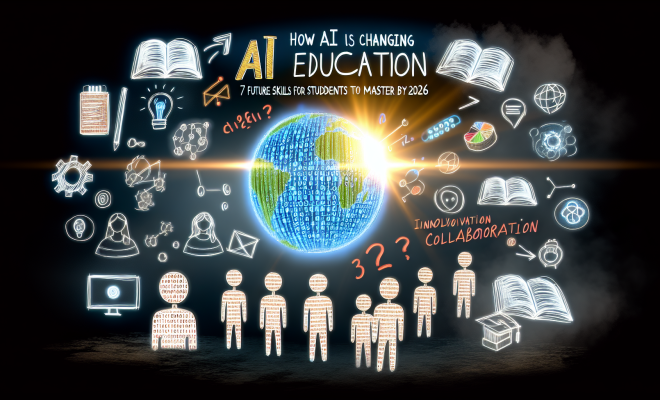
The rapid advancement of artificial intelligence (AI) is reshaping our world, and it has become imperative for students to understand how to navigate this new landscape. The question on everyone’s mind is: what should students focus on to remain employable as AI continues to make its mark? Experts suggest that developing future skills for students is essential for success in an ever-evolving job market.
Understanding the AI Revolution
AI technologies are advancing at a staggering pace, leading to significant changes across various industries. From healthcare to finance, the ability to adapt to AI applications is becoming crucial. According to a recent article by the National Academies, the impact of AI on jobs is already being felt worldwide, prompting an urgent need for educational institutions to rethink their approaches.
Why Curiosity Matters
One of the primary recommendations for students is to pursue fields that ignite their curiosity. Passion-driven learning leads to deeper engagement and fosters a spirit of innovation. By tapping into their interests, students are more likely to excel and develop expertise in areas that align with future job markets.
Key Skills to Develop
As AI reshapes various sectors, certain transferable skills are emerging as essential for students. Here are several future skills for students to cultivate:
- Critical Thinking: The ability to analyze information, evaluate evidence, and make sound judgments will be indispensable in an AI-driven world. Students should practice questioning assumptions and exploring diverse perspectives.
- Problem-Solving: Complex problems often require innovative solutions. Students who can approach challenges methodically and creatively will be well-prepared for future workplaces.
- Collaboration: Working effectively with others is vital, especially as teams become more diverse and dispersed. Students should seek opportunities to collaborate and communicate across various contexts.
- Technical Skills: While students may not need to become AI experts, familiarity with digital tools and platforms is critical. Basic programming knowledge or understanding data analytics can significantly enhance employability.
- Adaptability: The capacity to adjust to new circumstances is increasingly important as the job market shifts. Students should be encouraged to embrace change and seek out opportunities for continuous learning.
- Creativity: AI excels at processing data but lacks the human touch of creativity. Students should be nurtured in creative pursuits, whether in the arts, design, or innovative problem-solving.
- Emotional Intelligence: Understanding emotions and fostering interpersonal relationships will be essential in navigating workplaces in the age of AI. Empathy and the ability to connect with others cannot be underestimated.
The Role of Education Systems
Education systems must transform to prepare students for the challenges posed by AI. As the National Academies suggest, there’s a pressing need for curricula that integrate these future skills for students into everyday learning. This can include project-based learning, interdisciplinary studies, and a focus on real-world applications.
Moreover, schools should foster an environment that encourages experimentation and risk-taking. Teaching students to view failure as a learning opportunity can promote resilience and a growth mindset.
Parental and Community Involvement
Parents and communities play a crucial role in shaping the educational experiences of students. By supporting programs that emphasize the development of future skills for students, families can contribute to a culture of learning that values adaptability and curiosity.
Additionally, community partnerships with businesses can provide students with internships and mentorships, offering practical experience that complements their education. Such collaborations can bridge the gap between school and the workforce, ensuring students acquire relevant skills.
The Future Landscape of Employment
The exact impact of AI on employment remains uncertain, yet one thing is clear: students will need to be prepared for a workforce that demands flexibility and innovative thinking. By focusing on building the right skills, students can position themselves as valuable assets in a rapidly changing job market.
As we look towards 2026 and beyond, the emphasis on developing future skills for students should remain at the forefront of educational priorities. With the right mindset and skill set, today’s students can navigate the complexities of the future and thrive in a world where AI is an integral part of everyday life.
In conclusion, AI is transforming not only the job market but also the educational landscape. By embracing curiosity and focusing on critical skills, students can ensure their employability in a world shaped by artificial intelligence.