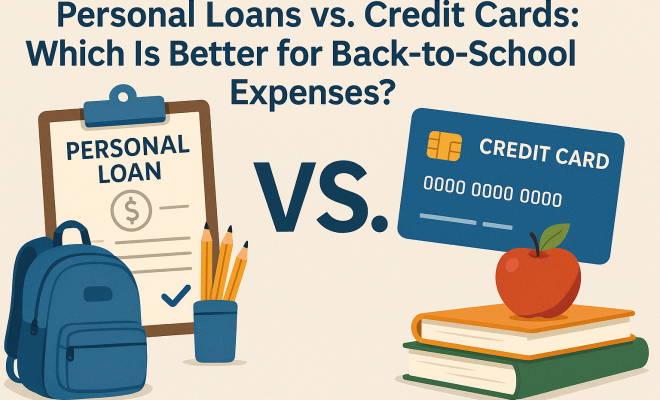
Personal Loans vs. Credit Cards: Which Is Better for Back-to-School Expenses?
Back-to-school season often feels less like a joyful return to learning and more like a high-stakes financial tightrope walk for many families. It’s a time when parents, with the best of intentions, find themselves caught in a modern “Parent Trap” – the intense pressure to ensure their children have everything they need, and often, everything they *want*, to avoid feeling left out. This isn’t just about pencils and notebooks anymore; it’s about navigating a complex emotional landscape where parental love and financial reality frequently collide.
A recent survey by Beyond Finance, published on August 5, 2026, really pulled back the curtain on this predicament. It paints a picture of parents feeling immense pressure, both financially and emotionally, to keep up with the perceived spending of other families. The numbers are frankly quite stark: a staggering 70% of parents admitted feeling compelled to match what other families spend on school items. And here’s the kicker – nearly 40% expect to go into debt just to make it happen. We’re talking about serious financial strain, with 15% even resorting to personal or payday loans, and a truly alarming 8% confessing to gambling to cover these costs. It’s a situation that makes many parents ask: when it comes to covering those expenses, what’s the better evil: personal loans vs credit cards for back-to-school?
Dr. Erika Rasure, Chief Financial Wellness Advisor at Beyond Finance, really hit the nail on the head when she noted that parents are essentially trying to provide their children with a sense of confidence and belonging. That’s a noble goal, but it often comes at a significant cost to their own financial future. This isn’t just about budgeting; it’s about deep-seated parental guilt, with 74% of parents feeling like failures if they can’t afford everything their child desires. No wonder 58% of parents find back-to-school shopping more stressful than the holidays! So, let’s break down the options, because understanding the nuances of personal loans vs credit cards for back-to-school expenses can make a world of difference in avoiding that insidious debt trap.
1. The Siren Song of Credit Cards: Quick Access, Hidden Dangers
Credit cards are often the first port of call for parents facing immediate back-to-school expenses. They’re undeniably convenient, offering instant access to funds with just a swipe or a click. You don’t need to apply for a new loan, wait for approval, or jump through any hoops; if you have available credit, you can use it. This ease of access is a huge draw, especially when you’re juggling multiple kids, varying school supply lists, and the pressure of rapidly approaching deadlines.
However, this convenience comes with a significant caveat: the interest rates. Credit card interest rates are notoriously high, often in the double digits, and sometimes even pushing into the high twenties or thirties for those with less-than-stellar credit. If you can’t pay off your balance in full each month, those back-to-school purchases quickly become far more expensive than their sticker price. Minimum payments might seem manageable, but they often do little more than cover the accrued interest, leaving the principal balance largely untouched. This can lead to a revolving cycle of debt that’s incredibly difficult to escape, turning those seemingly small purchases into a long-term financial burden.
2. Personal Loans: A Structured Approach, But Not Without Risks
On the other side of the coin, we have personal loans. These are typically unsecured loans, meaning they don’t require collateral, and they offer a lump sum of money that you repay in fixed monthly installments over a set period. When considering personal loans vs credit cards for back-to-school, the structure of a personal loan is often seen as its main advantage. You know exactly how much you owe, what your monthly payment will be, and when you’ll be debt-free. This predictability can be a huge relief for parents trying to manage a tight budget.
Interest rates on personal loans are generally lower than those on credit cards, especially for borrowers with good credit scores. This can translate to significant savings over the life of the loan. However, personal loans also require an application process, which means a credit check and potentially a few days or even a week for approval and funding. If you’re in a last-minute scramble, this might not be the fastest option. Furthermore, while the rates are often better than credit cards, they’re still an additional cost, and you’re committing to a new debt obligation that will impact your monthly cash flow for months or even years to come.
3. Understanding APR: The True Cost of Borrowing
When you’re trying to decide between personal loans vs credit cards for back-to-school, the Annual Percentage Rate (APR) is your most crucial metric. The APR represents the total cost of borrowing, including the interest rate and any fees, expressed as a yearly percentage. For credit cards, APRs can fluctuate, and promotional 0% APR offers often have a catch – if you don’t pay off the balance before the promotional period ends, you’re hit with deferred interest from day one, often at a very high rate.
Personal loans, on the other hand, typically come with a fixed APR. This means your interest rate won’t change over the life of the loan, providing stability and making it easier to budget. Comparing the APRs of different credit cards and personal loan offers is absolutely essential. Don’t just look at the monthly payment; look at the total cost of borrowing over time. A lower APR on a personal loan, even with a slightly higher monthly payment, could save you hundreds, if not thousands, of dollars compared to carrying a balance on a high-interest credit card. (See: financial stress among families.)
4. The Debt Spiral: Why Many Parents Fall Prey
The Beyond Finance survey highlighted a deeply troubling trend: 74% of parents feel like failures if they can’t afford everything their child desires for back-to-school. This emotional pressure is a powerful catalyst for debt. It’s not just about keeping up with the Joneses; it’s about preventing your own child from feeling like they’re missing out, from being the odd one out. This emotional vulnerability makes parents susceptible to making financial decisions they might otherwise avoid. For more context, see California Teachers' Stunning Win: How Their New Paid Pregnancy Leave Stacks Up.
When you add the stress of the back-to-school rush – the endless lists, the crowds, the sheer volume of things to buy – it’s easy to reach for the most convenient solution, which is often a credit card. Without a clear plan for repayment, these individual purchases pile up. One new backpack here, a pair of expensive sneakers there, a new tablet for remote learning – suddenly, that $500 or $1,000 credit card bill becomes a multi-thousand-dollar debt that feels insurmountable. This is the very definition of the debt spiral, fueled by good intentions and societal pressure.
5. Credit Score Impact: Long-Term Repercussions
Both personal loans and credit cards can impact your credit score, but in different ways. Using a credit card and paying it off on time each month can actually boost your score by demonstrating responsible credit usage. However, carrying a high balance, especially if it pushes your credit utilization ratio (the amount of credit you’re using compared to your total available credit) above 30%, can significantly harm your score. A lower credit score makes it harder to get favorable rates on future loans, mortgages, or even apartment rentals.
A personal loan, when taken out, will initially show up as a new inquiry on your credit report, which might cause a slight, temporary dip in your score. However, consistently making on-time payments on a personal loan can positively impact your credit mix (having different types of credit is good) and payment history, both of which are major factors in your credit score. The key difference when comparing personal loans vs credit cards for back-to-school is that a personal loan adds to your installment debt, while a credit card adds to your revolving debt. Diversifying your credit types can be beneficial, but only if you manage both responsibly.
6. Beyond the Basics: The Rise of Payday Loans and Gambling
The Beyond Finance survey revealed some truly alarming statistics: 15% of parents are turning to personal or payday loans, and 8% are even gambling to cover back-to-school costs. This isn’t just about choosing between two imperfect financial tools; it’s about desperation. Payday loans, while offering quick cash, come with exorbitant fees and astronomical interest rates that can trap borrowers in a vicious cycle of debt. They are, almost without exception, a last resort that should be avoided at all costs.
The fact that parents are resorting to gambling underscores the profound emotional and financial pressure they’re under. This isn’t a financial strategy; it’s a desperate plea for a miracle, and it almost always ends in further financial devastation. It highlights the urgent need for parents to understand all their options, and critically, to feel empowered to say no or to find more sustainable solutions, rather than falling into these dangerous traps.
7. Budgeting for Back-to-School: A Proactive Approach
The best way to avoid the dilemma of personal loans vs credit cards for back-to-school is to avoid needing them in the first place. This requires proactive planning and a realistic budget. Start by reviewing school supply lists as soon as they’re available. Take inventory of what you already have at home – last year’s backpack, partially used notebooks, pens – and only buy what’s truly necessary. Don’t be swayed by the latest trends if they’re outside your budget.
Consider shopping sales throughout the summer, not just in the weeks leading up to school. Look for second-hand options for clothing or sports equipment. Talk to your children about the budget and involve them in the decision-making process. This not only helps them understand financial realities but also empowers them to make choices within limits. Remember, providing confidence and belonging doesn’t always mean buying the most expensive items; it means fostering a sense of security and open communication.
8. The Emotional Toll: More Stress Than the Holidays
It’s truly telling that 58% of parents find back-to-school shopping more stressful than the holidays. The holidays, despite their commercialization, often come with a sense of joy and shared celebration. Back-to-school, however, is laden with performance anxiety, peer pressure, and the very real fear of your child being ostracized for not having the ‘right’ things. This emotional weight can cloud judgment and lead to impulsive financial decisions. (See: recent news on personal finance trends.)
Dr. Rasure’s observation that parents are trying to foster confidence and belonging is crucial here. The challenge is to find ways to do this that don’t compromise the family’s financial stability. Open conversations with children, focusing on the value of education and hard work rather than material possessions, can help shift this paradigm. It’s about teaching resilience and resourcefulness, not just acquiring items.
9. Debt Consolidation: A Lifeline for Existing Debt
If you’re already carrying significant back-to-school debt on high-interest credit cards, debt consolidation could be a viable strategy. This often involves taking out a new personal loan with a lower interest rate to pay off multiple existing debts. The benefit here is simplifying your payments into one manageable monthly sum, and potentially reducing the overall interest you pay. For more context, see Unlocking California's $700 Million Teacher Grant Bonanza: Your Guide to Funding Success.
However, debt consolidation isn’t a magic bullet. It requires discipline. If you consolidate your debt but then immediately start racking up new charges on your now-empty credit cards, you’ll find yourself in a worse position than before. It’s a tool for managing existing debt, not a license to accumulate more. When evaluating debt consolidation, look for loans with transparent terms, no hidden fees, and a repayment plan that genuinely fits your budget.
10. Making the Right Choice: A Decision Tree
So, how do you decide between personal loans vs credit cards for back-to-school? Let’s break it down into a simple decision tree:
- Can you pay off the balance in full within one billing cycle? If yes, a credit card (especially one with rewards) is probably the most convenient and cost-effective option.
- Do you need immediate access to funds and anticipate needing more flexibility? A credit card might seem appealing, but be acutely aware of the APR and have a strict repayment plan.
- Do you need a larger sum of money, a fixed repayment schedule, and potentially a lower interest rate? A personal loan is likely the better choice, provided you have good credit and can wait for the approval process.
- Are you considering a payday loan or gambling? Stop. These are incredibly dangerous and almost always lead to further financial hardship. Seek financial counseling or explore non-profit debt relief options instead.
- Are you already in significant credit card debt from previous purchases? Consider debt consolidation with a personal loan, but only if you commit to not using those credit cards again for non-essential purchases.
Ultimately, the best strategy is proactive budgeting and avoiding debt altogether. But if borrowing is necessary, carefully weigh the APRs, repayment terms, and your own financial discipline. The goal is to provide your children with a great start to the school year without sacrificing your family’s long-term financial health. It’s a tough balance, but one that every parent can learn to manage with the right information and a clear plan.
11. The Role of Financial Literacy in Schools: A Missing Piece?
It’s interesting to consider that while parents are stressing over back-to-school expenses, there’s often a lack of robust financial literacy education within the school system itself. If children were equipped with a foundational understanding of budgeting, interest rates, and the true cost of debt from a younger age, perhaps some of this parental pressure could be alleviated in the long run. Imagine a curriculum that teaches students not just about history and math, but about how credit scores work or the difference between wants and needs when shopping. This kind of education could empower future generations to make more informed financial decisions, breaking the cycle of debt that many families currently face. It’s about preparing them for real-world challenges, not just academic ones.
12. Alternative Funding Solutions: Beyond Loans and Cards
While personal loans vs credit cards for back-to-school are the main focus, it’s worth exploring other avenues that don’t involve taking on debt. Many communities offer assistance programs for school supplies, sometimes through local churches, non-profits, or school districts themselves. These programs often provide free backpacks, basic school supplies, and even some clothing items for families in need. Additionally, some schools have “supply swaps” or uniform exchange programs where parents can trade gently used items. Leveraging these community resources can significantly reduce the financial burden, allowing families to stretch their budgets further or avoid debt entirely. It takes a bit more effort to seek these out, but the financial relief can be substantial and comes without any interest payments.
13. The Psychological Impact of “Keeping Up”: A Deeper Look
The survey data showing 70% of parents feeling compelled to match others’ spending isn’t just a statistic; it points to a deep psychological pressure. This isn’t purely about wanting the best for your child; it’s often about the fear of social exclusion for your child and the associated parental guilt. Kids, especially in their formative years, can be acutely aware of who has the latest gadget or the trendiest clothes. Parents internalize this, translating it into a feeling of personal failure if they can’t provide. This emotional landscape can make rational financial decisions incredibly difficult. It’s a powerful undercurrent that lenders, unfortunately, are often aware of and can subtly exploit. Acknowledging this emotional aspect is the first step towards resisting the pressure and making choices based on financial health, not social anxiety. For more context, see Unprecedented Wins: How California's Education Budget Just Revolutionized Teaching Careers. (See: New York Times on family spending.)
14. Expert Perspective on Long-Term Financial Health
From my perspective as an educator and someone deeply involved in financial wellness, the recurring theme here is the importance of long-term financial health over short-term gratification. While it’s natural for parents to want to give their children everything, sacrificing financial stability for a new pair of sneakers or an expensive backpack can have ripple effects for years. That credit card debt doesn’t just disappear; it accrues interest, impacts credit scores, and can limit future opportunities like buying a home or saving for retirement. It’s crucial for families to differentiate between true needs and wants, and to communicate those distinctions openly with their children. Teaching children about financial responsibility by example is one of the most valuable lessons a parent can impart, far more valuable than any material item.
Frequently Asked Questions About Personal Loans vs Credit Cards for Back-to-School
Q1: Is it ever okay to use a credit card for back-to-school shopping?
Yes, it can be, but only if you have a rock-solid plan to pay off the entire balance before the billing cycle ends and avoid any interest charges. Some parents use credit cards for the convenience or to earn rewards points, but this strategy only works if you treat it like a debit card and have the funds available to cover the purchase immediately.
Q2: What’s considered a “good” interest rate for a personal loan for back-to-school?
What’s considered “good” really depends on your credit score and the current market. Generally, anything below 10-12% APR is considered competitive for an unsecured personal loan for someone with good credit. If you’re seeing rates in the high teens or twenties, you might be better off exploring other options or working to improve your credit before borrowing.
Q3: Can taking out a personal loan hurt my credit score?
When you first apply for a personal loan, the credit inquiry can cause a small, temporary dip in your score. However, if you make all your payments on time and manage your other credit accounts responsibly, a personal loan can actually help your credit score over time by diversifying your credit mix and demonstrating a history of on-time payments.
Q4: What are the absolute worst ways to pay for back-to-school expenses?
Hands down, payday loans and gambling are the worst options. Payday loans come with outrageous fees and interest rates that can trap you in a cycle of debt. Gambling is not a financial strategy; it’s a high-risk activity that almost always leads to further financial problems, not solutions. Avoid these at all costs.
Q5: How can I teach my children about budgeting for back-to-school?
Involve them in the process! Give them a set budget for their supplies or clothes and let them make choices within those limits. Explain the difference between needs and wants. Take them shopping with you and show them how to compare prices. This hands-on experience is invaluable for developing their financial literacy and understanding the value of money.
Trending Now
Frequently Asked Questions
What are the pros and cons of personal loans for back-to-school expenses?
Personal loans can offer lower interest rates and fixed repayment terms, making them a viable option for larger back-to-school purchases. However, they may require good credit and can lead to higher overall debt if not managed properly.
Are credit cards a good option for back-to-school shopping?
Credit cards can provide flexibility and rewards on purchases, but they often come with high-interest rates. If balances are not paid in full, parents may incur significant debt, especially during the financially stressful back-to-school season.
How can parents avoid debt during back-to-school shopping?
To avoid debt, parents should create a budget based on their financial situation, prioritize essential items, and consider using savings instead of loans or credit. Planning ahead and seeking discounts can also help manage expenses effectively.
What financial pressures do parents face during back-to-school season?
Many parents feel compelled to match the spending of other families, leading to significant financial pressure. A survey revealed that 70% of parents feel this pressure, with a notable percentage resorting to debt to cover school expenses.
How does parental guilt impact spending for back-to-school items?
Parental guilt plays a significant role in back-to-school spending, with 74% of parents feeling like failures if they can't provide everything their child desires. This emotional pressure often leads to overspending and financial strain.
What's your take on this? Share your thoughts in the comments below — we read every one.