Mastering Sautéed Greens: Recipes & Techniques
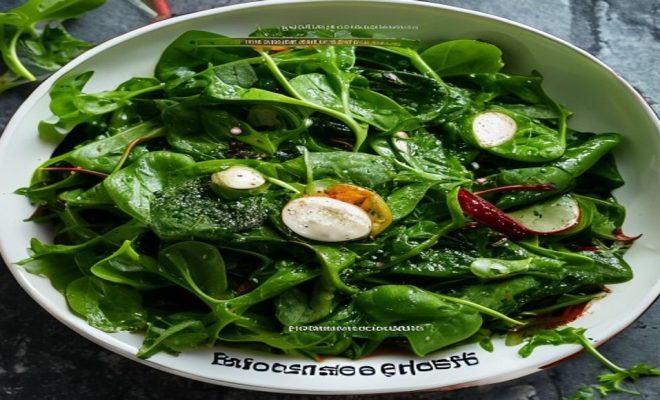
“`html
Sauteed greens are a culinary staple that can elevate any meal. Whether you’re whipping up a quick dinner or prepping a feast for guests, knowing how to properly sauté greens can make a world of difference. In this article, we’ll delve into everything you need to know about crafting the best sautéed greens recipe, covering various types of greens, cooking techniques, seasoning ideas, and much more.
1. Understanding the Basics of Sauteed Greens
At its core, the process of sautéing involves cooking food quickly in a small amount of oil over relatively high heat. This technique is perfect for greens, as it helps them maintain their vibrant color, crisp texture, and nutritional value. Popular greens for sautéing include spinach, kale, Swiss chard, collard greens, and mustard greens. Each type brings its distinct flavor and health benefits to the table.
The key to mastering the sautéing technique lies in understanding the moisture content of the greens. Water-rich greens like spinach will cook down significantly, while tougher greens like kale may require a few extra minutes to become tender. Knowing this difference will help you create a sautéed greens recipe that truly shines.
2. Choosing the Right Greens for Your Recipe
When it comes to sautéed greens, the variety you choose can dramatically affect both flavor and texture. Spinach is a crowd favorite; it cooks quickly and has a mild taste that pairs well with many dishes. Kale, on the other hand, has a stronger flavor and sturdier texture, making it an excellent choice for heartier meals.
Other options include Swiss chard, which offers a slightly sweet, earthy flavor, and collard greens that add a robust, Southern flair. Mustard greens, known for their peppery taste, can add a delightful kick to your dish. Always consider combining different greens in your sautéed greens recipe to create a unique flavor profile.
3. Essential Cooking Techniques
Before starting your sautéed greens recipe, it’s vital to prep your greens properly. Rinse them thoroughly to remove any dirt or grit, then remove any tough stems. For tougher greens like kale or collards, consider chopping them into smaller pieces to allow for more even cooking.
Heat your pan before adding oil—this step helps to prevent the greens from sticking. A good quality extra virgin olive oil is often recommended for its health benefits and flavor. Once the oil is shimmering but not smoking, add your greens in batches if necessary, giving them space to cook evenly. Stir frequently to prevent burning and to promote even heat distribution.
4. Flavor Enhancements: Seasoning Your Greens
A great sautéed greens recipe is not just about the cooking technique; seasoning plays an equally critical role. Start with the basics: salt and pepper. Sea salt enhances the greens’ natural flavors without overpowering them. You might also consider adding garlic, either minced or thinly sliced, for a fragrant boost.
For an added layer of complexity, try incorporating ingredients like red pepper flakes for heat, lemon juice for brightness, or soy sauce for umami depth. Nuts, seeds, or even cheese can also serve as delightful toppings once your greens are cooked. Don’t shy away from experimenting with different herbs and spices until you find the combination that suits your palate.
5. Cooking Time: Achieving the Perfect Texture
The cooking time for sautéed greens depends heavily on the type of greens you’re using. Spinach typically cooks down in about 2-3 minutes, while kale may take 5-7 minutes to reach the perfect level of tenderness. A good rule of thumb is to cook until the greens are just wilted but still bright in color; overcooking can lead to a mushy texture and loss of nutritional value.
To check for doneness, simply taste a piece. It should be tender but still have a slight bite to it. If you’re incorporating tougher greens, consider adding a splash of water or broth to the pan, which can help soften them quicker while also creating a bit of steam.
6. Pairing Your Sauteed Greens
Once you’ve perfected your sautéed greens recipe, the next step is to think about how to incorporate them into your meals. These greens can serve as a fantastic side dish, complementing proteins such as grilled chicken, fish, or tofu. They can also be tossed into pasta dishes or grain bowls for an extra nutritional punch. (See: Nutritional benefits of greens.)
You might even consider adding sautéed greens to breakfast items like omelets or frittatas, where their flavor and texture can really shine. For a heartier option, try layering them into sandwiches or wraps alongside your favorite toppings. The versatility of sautéed greens makes them a fantastic addition to virtually any meal.
7. Health Benefits of Sauteed Greens
Beyond their culinary appeal, sautéed greens are a powerhouse of nutrition. They’re packed with vitamins A, C, and K, along with essential minerals like calcium and iron. Eating a variety of greens can also provide significant antioxidant benefits, helping to combat inflammation and promote overall health.
Incorporating sautéed greens into your diet is an excellent strategy for boosting your intake of plant-based nutrients. For instance, kale has been recognized for its high fiber content, making it an ideal choice for digestive health. Spinach, on the other hand, is known for its iron content, which is crucial for energy levels. Including a broad range of greens can help ensure that you’re not just getting a single nutrient but a spectrum of health benefits.
8. Common Mistakes to Avoid
Even the best cooks can fall prey to common mistakes when it comes to sautéing greens. One major error is overcrowding the pan; when too many greens are added at once, they can steam rather than sauté, resulting in a limp texture. Always give your greens room to breathe in the hot oil.
Another pitfall is neglecting to season properly. A bland dish can detract from all the hard work you’ve put into your sautéed greens recipe. Start with the basics, and don’t be afraid to taste as you go. Lastly, keep an eye on the heat; if your pan gets too hot, the greens can burn quickly, ruining the dish.
9. Creative Variations on Sauteed Greens
If you’re looking to shake things up, there are numerous creative variations on the traditional sautéed greens recipe. For instance, consider adding a splash of balsamic vinegar towards the end of cooking for a tangy twist. You could also incorporate ingredients like sun-dried tomatoes or olives for an Italian flair.
Another option is to make a spicy version by incorporating diced jalapeños or chili paste. You can also experiment with different oils; sesame oil can add a delightful Asian twist, especially when paired with garlic and ginger. The possibilities are endless, and the more you experiment, the more personalized your sautéed greens recipe will become.
10. Understanding the Nutritional Value of Various Greens
Different types of greens bring varied nutritional profiles to the table. For example, spinach is low in calories and high in iron, making it a great choice for those looking to boost their iron intake while maintaining a calorie deficit. Kale is another nutritional powerhouse, with a high concentration of vitamins C and K, along with antioxidants that can help protect your body from oxidative stress.
Collard greens are rich in calcium and vitamins A and K, making them excellent for bone health. Mustard greens, while often underrated, contain substantial amounts of vitamins K and C, as well as glucosinolates, compounds known for their cancer-fighting properties. By diversifying your green choices, you’re not only adding flavor but also maximizing the health benefits of your meals.
11. Pairing Sauteed Greens with Other Ingredients
One of the best aspects of sautéed greens is how well they blend with other ingredients. Think about proteins like chicken, fish, or legumes. For a delightful dish, mix sautéed greens with quinoa or brown rice, adding nuts for crunch and a light sauce for moisture. You can also create a vibrant salad by tossing sautéed greens with fresh vegetables, grains, and a tangy dressing.
Consider using sautéed greens as a pizza topping, layered with mozzarella and other veggies for a delicious twist. They can even be added to soups for extra nutrition. The adaptability of sautéed greens makes them a great base for many culinary creations.
12. Expert Perspectives on Sauteed Greens
Chefs and nutritionists alike emphasize the versatility and importance of greens in our diets. Chef Thomas Keller, for instance, often showcases sautéed greens in his dishes, highlighting their ability to enhance flavors without overwhelming a meal. Nutritionists recommend including a variety of greens in your diet to ensure balanced nutrient intake, noting that the methods of preparation can significantly impact the absorption of some vitamins.
Many chefs encourage home cooks to experiment with seasonings and methods. Chef Alice Waters, a pioneer of the farm-to-table movement, champions the use of fresh, seasonal greens and suggests pairing them with simple ingredients to let their natural flavors shine. The overarching theme among culinary experts is to respect the ingredient, highlight its qualities, and enjoy the process of cooking. (See: CDC nutrition guidelines.)
13. Frequently Asked Questions
What is the best oil to use for sautéing greens?
Extra virgin olive oil is widely recommended due to its flavor and health benefits. However, other oils like avocado or grapeseed oil can work well too, depending on your taste preferences.
Can I use frozen greens for sautéing?
Yes, frozen greens can be used, but be sure to thaw and drain them well to avoid excess moisture, which can lead to steaming instead of sautéing.
How can I make sautéed greens more appealing to kids?
Try adding a dash of honey or maple syrup to balance the bitterness of some greens. Mixing them with sweeter vegetables or incorporating them into dishes like quesadillas or smoothies can also make them more appealing.
How long can I store sautéed greens in the refrigerator?
Sautéed greens can last up to 3-5 days in an airtight container in the refrigerator. Just reheat gently to avoid overcooking.
What are some good combinations of greens to sauté together?
A popular combination is kale with garlic and a splash of lemon juice. You could also mix Swiss chard with spinach for a sweet and colorful dish, or combine collard greens with mustard greens for a flavorful kick.
Can I sauté greens without oil?
Yes, you can sauté greens using water or broth, which is a great option for those looking to reduce fat in their diet. Just be sure to stir frequently to prevent sticking.
14. Final Thoughts on Mastering Your Sauteed Greens Recipe
Mastering a sautéed greens recipe can be a game-changer in your culinary repertoire. It’s not just about cooking; it’s about exploring flavors, textures, and the nutritional benefits that different greens provide. By experimenting with various greens, seasonings, and cooking techniques, you’ll be able to create a dish that not only complements your meals but also contributes to a healthier diet.
So next time you’re in the kitchen, don’t overlook the humble green. Embrace its versatility and make sautéed greens a regular feature on your menu. With the right techniques and a willingness to experiment, you can create a delicious and nutritious dish that everyone will love.
15. Popular Sauteed Greens Recipes from Around the World
Different cultures have their unique approaches to sautéed greens, adding an exciting twist to this versatile dish. For instance, in Italy, you might find cime di rapa sautéed with garlic and chili flakes, creating a slightly bitter yet delicious flavor profile. In Southeast Asia, greens like bok choy or Chinese broccoli are often sautéed with soy sauce, ginger, and garlic, resulting in a rich umami taste.
In the southern United States, collard greens are traditionally cooked with ham hocks for a smoky flavor, slowly simmered until tender. This method highlights the deep, robust taste of collards and brings out their natural sweetness. By exploring these regional variations, you’ll find inspiration to craft your own sautéed greens recipe infused with diverse aromas and flavors.
16. Seasonal Considerations for Choosing Greens
Seasonality plays a vital role in selecting the best greens for your sautéed recipe. In the spring, tender options like baby spinach and arugula become abundant, lending a fresh taste to your dishes. Summer brings a variety of greens, including Swiss chard and beet greens, which are perfect for quick cooking while retaining their vibrant colors and nutrients. (See: Health benefits of sautéed vegetables.)
As fall approaches, heartier greens like collards and kale come into season, perfect for warming, comforting dishes. Winter doesn’t mean you have to lose out on fresh greens; look for varieties like mustard greens or even some types of kale that can withstand the cold and thrive in winter gardens. By aligning your choice of greens with the seasons, you can enjoy peak flavors and the best nutritional value.
17. Environmental Impact of Choosing Local Greens
Choosing locally sourced greens not only enhances the freshness of your sautéed greens recipe but also supports sustainable agriculture. Local greens typically have a lower carbon footprint since they don’t have to travel long distances to reach your table. This means they’re often harvested at their peak ripeness, ensuring superior flavor and nutritional content.
Additionally, opting for seasonal, local greens encourages biodiversity in farming practices. When you support local farmers, you help maintain a variety of crops in the ecosystem, which benefits both the environment and local economies. So, when picking greens for your sautéed dish, consider visiting your local farmer’s market or joining a community-supported agriculture (CSA) program.
18. Sautéed Greens as Meal Prep Allies
One of the fantastic things about sautéed greens is their ability to shine in meal prep. They can be made in bulk ahead of time and stored in the fridge for quick meals throughout the week. When prepping, consider sautéing a large batch of mixed greens and storing them in an airtight container. This prepared batch can be easily reheated and added to various dishes, from grain bowls to omelets.
For even more meal prep versatility, consider creating a sautéed greens mix with other veggies. Combining bell peppers, onions, and garlic can make a flavorful medley that can be tossed into different meals. With this approach, you’ll save time during busy weeks while enjoying the nutrient-dense benefits of greens.
19. Exploring the World of Sauteed Green Varieties
While you’ve likely heard of popular greens like spinach and kale, exploring lesser-known varieties can open up a new world of flavors and textures in your sautéed greens recipe. For instance, tatsoi is a Japanese green with a mild, sweet flavor that pairs beautifully with garlic and sesame oil. Broccoli rabe, with its slightly bitter taste, can add depth to your dishes, especially when sautéed with chili flakes and lemon juice.
Another interesting option is amaranth greens, which are often used in African and Asian cuisines. They have a unique earthy flavor and are rich in vitamins A and C. By experimenting with these varieties, you can discover new tastes and health benefits, expanding your culinary repertoire while keeping sautéed greens fresh and exciting.
20. Conclusion: The Endless Possibilities of Sauteed Greens
Whether you’re a seasoned chef or just starting out, sautéed greens can be a vibrant and nutritious addition to your culinary creations. With so many types of greens, flavor combinations, and cooking methods to explore, the possibilities are truly endless. Embrace the versatility of sautéed greens, experiment with different recipes, and make them a staple in your kitchen. Your palate and your health will thank you!
“`
Trending Now
Frequently Asked Questions
What are the best greens to sauté?
The best greens to sauté include spinach, kale, Swiss chard, collard greens, and mustard greens. Each type offers unique flavors and textures, allowing you to create diverse and delicious dishes. Spinach is mild and cooks quickly, while kale has a stronger flavor and sturdier texture.
How do you sauté greens properly?
To sauté greens properly, heat a small amount of oil in a pan over medium-high heat. Add your greens, stirring frequently until they are wilted and tender. The cooking time varies depending on the moisture content and toughness of the greens, with water-rich varieties like spinach cooking down quickly.
Can you mix different types of greens when sautéing?
Yes, mixing different types of greens when sautéing can enhance the flavor and texture of your dish. Combining greens like spinach, kale, and Swiss chard allows you to enjoy a variety of tastes while benefiting from their unique nutritional properties.
What seasonings work well with sautéed greens?
Seasoning sautéed greens can elevate their flavor significantly. Common seasonings include garlic, lemon juice, salt, pepper, and red pepper flakes. You can also experiment with soy sauce, balsamic vinegar, or nutritional yeast for added depth and complexity.
How do you know when sautéed greens are done?
Sautéed greens are done when they are wilted and tender but still vibrant in color. For softer greens like spinach, this takes just a few minutes, while tougher greens like kale may require a bit longer. Taste testing is the best way to ensure they have reached your desired texture.
Agree or disagree? Drop a comment and tell us what you think.