Top Fragrant Plants & Flowers for a Sweet-Smelling Home
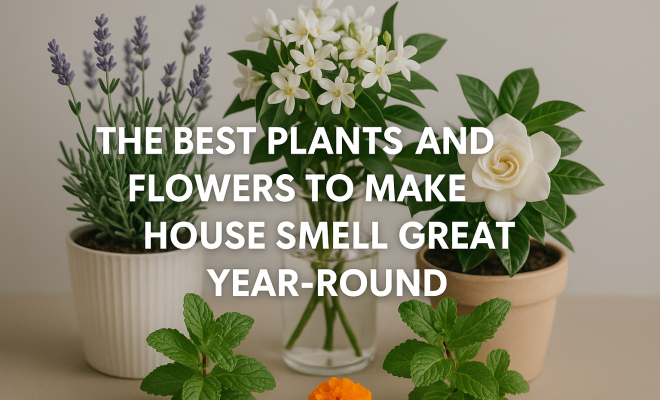
“`html
1. Jasmine: The Classic Fragrance
Jasmine plants are revered for their enchanting scent, making them a top choice among the best house plants for fragrance. These delicate white flowers release a sweet aroma, especially during the evening hours, which can fill your home with a delightful scent that’s reminiscent of summer nights. Not only do these plants smell wonderful, but they also contribute to a calming atmosphere, making them perfect for bedrooms or relaxation spaces.
When caring for jasmine, it’s essential to provide it with bright but indirect light and to keep the soil consistently moist. Many people choose to plant jasmine in a pot that can be hung or placed on a windowsill, allowing the vines to trail down and create a lush green display alongside their fragrant blooms. With proper care, jasmine can thrive indoors, bringing both beauty and scent into your living space.
There are several varieties of jasmine, with some being more fragrant than others. Consider the Arabian jasmine (Jasminum sambac), which is particularly popular for its sweet scent and adaptability as a house plant. If you’re feeling adventurous, try growing jasmine outdoors during the warmer months and bringing it inside when the temperature drops.
2. Lavender: A Soothing Aroma
Another contender in the realm of plants that enhance your home’s fragrance is lavender. Known for its soothing properties, the scent of lavender is often associated with relaxation and stress relief. Placing a lavender plant in your home can create an inviting atmosphere, perfect for winding down after a long day. Its purple flowers are not only visually stunning, but they also release a pleasant fragrance that many people find calming.
Lavender prefers well-draining soil and a sunny spot, so make sure to place it near a window where it can soak up the sunlight. Watering lavender should be done sparingly, as this plant is drought-tolerant. With the right care, it can thrive indoors, providing you with both beauty and a lovely scent throughout the year.
Studies have shown that the scent of lavender can reduce anxiety levels and improve sleep quality. If you’re looking to create a calming environment for your bedroom, consider placing a small potted lavender plant on your nightstand. For an added bonus, you can also dry the flowers and use them in sachets or pillows to enhance the calming effects.
3. Gardenia: A Rich, Sweet Scent
For those who appreciate a rich, sweet fragrance, gardenias are an excellent choice among the best house plants for fragrance. Their large, creamy white blooms emit a powerful scent that can fill an entire room. Gardenias are often used in perfumes due to their aromatic qualities, making them a desirable addition to any home.
When cultivating gardenias indoors, it’s crucial to provide humidity and bright, indirect light. They thrive in acidic soil and should be watered regularly to keep the moisture levels consistent. Keep in mind that gardenias can be a bit finicky with their care, requiring attention to detail, but the reward of their intoxicating scent makes the effort worthwhile.
To increase humidity around gardenias, you might consider placing the pot on a tray of pebbles filled with water, ensuring that the bottom of the pot isn’t submerged. This increases the humidity around the plant, which is beneficial for its growth and fragrance. Additionally, be mindful of pests like spider mites, which can thrive in dry conditions and affect the plant’s health.
4. Mint: A Refreshing Aroma
If you’re looking for a plant that not only smells great but also has practical uses, mint should be on your list. This aromatic herb releases a fresh, invigorating scent that can uplift any space. Mint is versatile, used in a variety of culinary dishes and drinks, making it a functional plant to have around.
To grow mint indoors, all you need is a pot with good drainage and plenty of light. Mint thrives best in well-drained soil and can be watered regularly without fear of becoming waterlogged. Plus, having fresh mint at your fingertips can enhance your cooking and beverage-making, all while contributing to your home’s delightful fragrance. (See: Learn more about jasmine plants.)
Mint comes in various types, including spearmint and peppermint, each offering its own unique scent and flavor. Consider using mint in your home by creating a refreshing mint-infused water or adding it to salads for a crisp taste. You can also dry the leaves and make your own mint tea, combining fragrance with utility.
5. Rosemary: A Herb with a Unique Scent
Rosemary is another wonderful herb that not only smells fantastic but can also be used in cooking. Its distinct, woodsy aroma adds character to any indoor space, providing an earthy fragrance that many find comforting. Rosemary is also known for its therapeutic benefits, often used in aromatherapy to promote mental clarity and focus.
To cultivate rosemary indoors, ensure that it has access to bright light and well-drained soil. Allow the soil to dry out between watering, as rosemary prefers drier conditions. With some attention, this hardy plant can thrive indoors, lending both fragrance and culinary potential to your home.
Research indicates that the aroma of rosemary can improve memory and cognitive performance. If you’re looking to create a stimulating yet fragrant environment for study or work, consider placing a rosemary plant on your desk. Not only will it smell great, but it may also enhance your productivity.
6. Geranium: A Floral Delight
Geraniums, particularly scented varieties, offer a unique and pleasant fragrance that can brighten up any indoor setting. The leaves of scented geraniums can emit aromas reminiscent of rose, lemon, or even mint, depending on the specific type. This diversity allows for a range of scents to choose from, making them one of the best house plants for fragrance.
Geraniums thrive in well-draining soil and prefer bright, indirect sunlight. Regular deadheading will encourage more blooms and enhance their fragrant properties. With minimal care, these vibrant plants can flourish indoors, providing a delightful aroma and colorful ambience.
In addition to their fragrance, geraniums can also serve as natural pest repellents. Certain scented varieties, like citronella geraniums, can help deter mosquitoes, making them a practical choice for patios or indoor spaces where you want to keep bugs at bay.
7. Orchids: Exotic Fragrance
While not all orchids are known for their scent, certain varieties, such as the Cattleya orchid, can offer a stunning, sweet fragrance that enhances your home’s atmosphere. Orchids are synonymous with elegance and beauty, making them a fantastic addition to any interior space.
To keep orchids healthy and fragrant, they need well-draining potting medium, indirect light, and moderate humidity. Water them once a week, allowing the potting medium to dry out slightly between waterings. With the right care, orchids can bloom multiple times a year, providing both visual beauty and a captivating aroma that will leave your guests in awe.
If you want to maximize the fragrant experience of orchids in your home, consider grouping different varieties together. Not only will this create a visually stunning arrangement, but the combination of scents can create a unique aromatic experience that changes with each bloom cycle. Remember to rotate your orchids periodically to ensure even growth and exposure to light.
Additional Fragrant Plants to Consider
While the plants mentioned above are some of the best house plants for fragrance, several other options can also enhance your living space with delightful scents.
8. Sweet Alyssum: A Sweetly Fragrant Annual
This charming little plant produces clusters of tiny white or purple flowers that give off a sweet scent, especially when the sun warms them. Sweet Alyssum is often used in garden beds, but it’s also suitable for indoor pots. Its fragrance can evoke a sense of nostalgia, reminding some of summer days spent in the garden. (See: Research on lavender's calming effects.)
Sweet Alyssum prefers a well-draining soil mix and requires moderate watering. Place it in a sunny spot, and it will thrive, producing blooms that can sweeten the air in your home. Plus, its low-growing nature makes it an excellent plant for hanging baskets or as a ground cover in larger arrangements.
9. Peony: A Seasonal Delight
Peonies are beloved for their lush blooms and romantic fragrance. While they are generally outdoor plants, they can be grown indoors in pots if given enough light and space. Their sweet scent is particularly prominent in the spring, making them an excellent choice for adding a touch of elegance and fragrance to your home during this season.
Peonies prefer well-draining soil and should be watered regularly but not overwatered. Keep them in a spot that receives full sun to partial shade. Once they bloom, their fragrance can fill large spaces, making them a fantastic choice for events or special occasions.
10. Freesia: A Fragrant Floral Option
Freesia flowers are another great option for those seeking a fragrant house plant. Known for their funnel-shaped blooms, they come in various colors, and their sweet scent is often described as citrusy and fresh. Freesias are perfect for brightening up indoor spaces, and their fragrance can create a cheerful atmosphere.
These flowers thrive in well-draining soil and should be kept in bright, indirect light. They benefit from regular watering, especially during their active growing season. You can also cut the flowers and bring them indoors, allowing their scent to permeate your living space.
Creating a Fragrant Indoor Garden
If you’re keen on filling your home with delightful fragrances, consider creating a fragrant indoor garden. This can be accomplished by selecting various plants with different scents and arranging them in a way that maximizes their olfactory impact. Here are some tips to help you get started:
- Choose a Variety of Scents: Mix plants that offer different types of aromas, from sweet to herbal. This combination will create a richer olfactory experience.
- Consider Plant Placement: Position stronger scented plants farther from seating areas to avoid overwhelming fragrances while keeping lighter scents closer to where you relax.
- Group by Similar Care Needs: To simplify maintenance, group plants with similar light and watering requirements together.
By designing your space with fragrant plants thoughtfully, you can create a soothing sanctuary that uplifts your mood and enhances your overall home environment.
FAQs About Fragrant House Plants
1. What are the best house plants for fragrance?
Some of the best house plants for fragrance include jasmine, lavender, gardenia, mint, rosemary, geranium, and orchids. Each plant offers its unique scent and charm, enhancing your home’s atmosphere.
2. How do I care for fragrant plants indoors?
Care for fragrant plants typically involves ensuring they get adequate light, water, and humidity. Each plant has specific needs, so it’s essential to research the individual requirements for the plants you choose.
3. Can I grow fragrant plants in low light conditions?
While many fragrant plants prefer bright, indirect light, some varieties can tolerate lower light conditions. Plants like geraniums and certain types of jasmine may adapt better to these settings, but their fragrance may not be as strong. (See: Indoor air quality and plants.)
4. How can I enhance the fragrance of my indoor plants?
To boost the scent of your indoor plants, ensure they are healthy and thriving. Regular pruning, fertilizing, and repotting can also help them grow better and produce more blooms, which enhances their aromatic qualities.
5. Are there any fragrant plants that are safe for pets?
Yes, many fragrant plants are safe for pets, including rosemary and mint. However, it’s always a good idea to check specific varieties to ensure they are non-toxic, as some plants can be harmful if ingested. best indoor plants offers useful background here.
6. What are some tips for arranging fragrant plants in my home?
When arranging fragrant plants, consider the intensity of their scents. Place stronger-scented plants like jasmine and gardenias in areas where they can be enjoyed without overwhelming the senses. Mixing plants with varying heights and foliage can also create an appealing display while optimizing air circulation for better fragrance distribution.
7. How do seasonal changes affect house plant fragrance?
Seasonal changes can impact the fragrance of house plants. For instance, many plants, like peonies and freesia, bloom during specific seasons, producing their strongest scents when they flower. On the other hand, some plants like lavender and rosemary may maintain their fragrance year-round, although their bloom cycles may affect the intensity of their aroma.
8. Can I propagate my fragrant house plants?
Yes, many fragrant house plants can be propagated through cuttings or division. For example, mint and geraniums are easy to propagate in water or soil, allowing you to expand your indoor garden. Just make sure to provide the right conditions for the cuttings to root successfully.
9. Are there any common pests that affect fragrant house plants?
Common pests such as aphids, spider mites, and whiteflies can affect fragrant house plants. Regularly inspecting your plants and maintaining good air circulation can help prevent infestations. If you notice pests, treating them with insecticidal soap or neem oil can help protect your plants.
10. What is the best way to care for orchids to enhance their fragrance?
To maximize the fragrance of orchids, ensure they receive the right light and humidity levels. Using a potting medium designed for orchids can also help with drainage and air circulation. Additionally, regularly checking for pests and ensuring your orchids are not overwatered will keep them healthy and enhance their blooming potential.
Final Thoughts
Integrating fragrant plants into your home can enhance your living environment in numerous ways. Not only do these plants provide delightful scents that uplift your mood, but they also offer visual appeal and can even be used in cooking or home remedies. Choosing any of the best house plants for fragrance listed here will allow you to enjoy a fresh and inviting atmosphere year-round while adding charm and personality to your indoor spaces.
“`
Trending Now
Frequently Asked Questions
What are the best plants for making your house smell good?
Some of the best plants for enhancing your home's fragrance include jasmine, known for its enchanting scent, and lavender, which is associated with relaxation. Both plants thrive indoors and can fill your space with delightful aromas year-round.
How do you care for jasmine plants indoors?
To care for jasmine plants indoors, provide bright but indirect light and keep the soil consistently moist. Jasmine thrives in pots that can be hung or placed on windowsills, allowing its vines to create a lush display while releasing their sweet aroma.
What is the benefit of having lavender in your home?
Lavender not only adds visual appeal with its stunning purple flowers but also promotes relaxation and stress relief with its soothing aroma. Placing a lavender plant in your home creates an inviting atmosphere, perfect for unwinding.
Can jasmine be grown outdoors?
Yes, jasmine can be grown outdoors during warmer months. Many people choose to plant it outside and bring it indoors when temperatures drop. This allows you to enjoy its fragrant blooms while also enhancing your garden's beauty.
How often should you water lavender plants?
Lavender is drought-tolerant and prefers well-draining soil, so watering should be done sparingly. It’s best to allow the soil to dry out between waterings to prevent overwatering, which can harm the plant.
Have you experienced this yourself? We'd love to hear your story in the comments.