The Best And Worst PowerPoint Presentation Examples
“`html
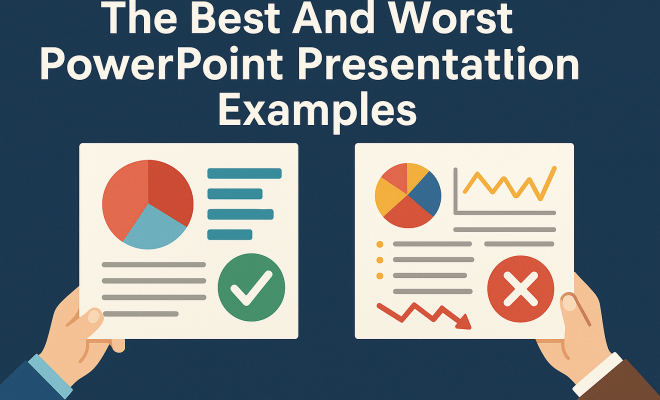
PowerPoint presentations have become a staple in various fields, from business meetings to academic lectures. While some presentations shine with clarity and creativity, others fall flat, leaving audiences disengaged. Understanding the best and worst PowerPoint presentation examples can significantly enhance your presentation skills, allowing you to communicate your ideas effectively. This article dives deep into the hallmarks of exemplary presentations, common pitfalls to avoid, and specific case studies to illustrate these points.
1. The Importance of Effective Presentations
Effective presentations can be the difference between success and failure in communicating your message. In a world bombarded with information, delivering a concise and engaging PowerPoint presentation is more crucial than ever. According to a study by the Statista, around 2.8 billion people use social media platforms, which means attention spans are dwindling. Presenters must capture attention quickly to maintain engagement.
Moreover, effective presentations have been shown to improve retention rates. Research in the Journal of Educational Psychology indicates that visual aids can improve learning outcomes. This underlines the necessity for presenters to utilize PowerPoint slides that are not just visually appealing but also educationally effective.
2. Characteristics of Great PowerPoint Presentation Examples
So, what makes a PowerPoint presentation great? Here are several characteristics that standout presentations often share:
- Clear Structure: Great presentations follow a logical sequence. They have a clear introduction, a well-defined body, and a succinct conclusion.
- Visual Appeal: Effective use of colors, fonts, and images grabs attention and keeps the audience engaged.
- Minimal Text: Slides packed with information can overwhelm. The best presentations use bullet points and brief sentences to convey their messages.
- Engaging Delivery: While the slides are crucial, the presenter’s delivery plays an equally important role. Engaging body language and eye contact can enhance the impact of the slides.
One of the best examples of a PowerPoint presentation that embodies these characteristics is Steve Jobs’ product launches. His presentations were not only visually stunning but also had a clear narrative flow that kept audiences on the edge of their seats.
3. Case Study: The Power of Visual Storytelling
Visual storytelling is a powerful tool that can elevate any PowerPoint presentation. A prime example is the TED Talk by Dan Pink, which explores the science of motivation. His presentation employs engaging visuals and minimal text, allowing his narrative to shine through.
Pink’s PowerPoint slides feature compelling imagery and relevant statistics, enhancing the audience’s understanding without overshadowing his spoken words. This combination captivates the audience and keeps them focused on the message rather than reading extensive text. Such storytelling techniques serve as a benchmark for anyone looking to improve their own PowerPoint presentation examples.
4. Common Mistakes in PowerPoint Presentations
As vital as it is to know what makes a great presentation, understanding common pitfalls can prevent you from falling into the same traps. Here are some frequent mistakes seen in PowerPoint presentations:
- Overloading Slides: Many presenters tend to cram too much information onto a single slide. This can lead to cognitive overload for the audience, who may struggle to absorb the information.
- Poor Design Choices: Using clashing colors, unreadable fonts, or overly complicated graphics can detract from your message. A clean design enhances readability and professionalism.
- Ignoring the Audience: Focusing too much on the slides can lead to disengagement. Great presenters maintain eye contact and interact with the audience.
- Neglecting to Practice: An unprepared presenter can undermine the effectiveness of even the best-designed slides. Rehearsing your delivery ensures a smooth presentation and boosts confidence.
A notorious example of a poor PowerPoint presentation was a corporate meeting by a leading tech company. The slides were cluttered with jargon and graphs, confusing the audience and leading to disengagement. This serves as a cautionary tale for anyone preparing a presentation.
5. Best Practices for Designing PowerPoint Slides
Creating an effective PowerPoint presentation involves careful design choices that enhance communication. Here are some best practices to consider when designing your slides:
- Use High-Quality Images: Select visuals that are relevant and of high quality. A pixelated or irrelevant image can distract rather than aid comprehension.
- Limit Text: Aim for no more than six words per line and six lines per slide. This keeps the slides digestible and ensures the audience focuses on your words.
- Consistent Style: Stick to a consistent color scheme, font style, and layout throughout your presentation. This cohesiveness lends professionalism.
- Incorporate Data Wisely: Use charts and graphs to illustrate key points. However, ensure they are simple enough for the audience to quickly grasp.
For instance, a well-known marketing firm utilized these best practices in a presentation for a high-stakes client meeting. The clarity and professionalism of their slides contributed to a successful pitch that won them a lucrative contract. (See: BBC article on great presentations.)
6. Case Study: The Art of Simplicity
One of the most remarkable PowerPoint presentation examples comes from Simon Sinek’s TED Talk on leadership. His presentation emphasizes simplicity and clarity by using minimal text and thought-provoking visuals. Sinek’s “Golden Circle” diagram became iconic and effectively conveyed his key message about the importance of understanding ‘why’ in leadership.
By focusing on a single, powerful concept and illustrating it with straightforward visuals, Sinek keeps the audience engaged and encourages them to reflect on their own leadership strategies. This highlights how simplicity can be a powerful tool in PowerPoint presentations, making complex ideas accessible.
7. Elements That Detract from a Presentation
While understanding best practices is essential, it’s equally important to recognize elements that can detract from the effectiveness of your PowerPoint presentation. Common distractions include:
- Animations and Transitions: Overusing animations can disrupt the flow of the presentation and distract the audience from your message. Use them sparingly to emphasize points rather than entertain.
- Excessive Text: As mentioned earlier, slides filled with text can lead to disengagement. Instead, use visuals or succinct bullet points.
- Pacing Issues: Speaking too quickly can leave the audience behind, while speaking too slowly can lose their interest. Finding the right pace is crucial for maintaining engagement.
A notable example of a detracting presentation was a charity event where the presenter used flashy animations coupled with extensive text. Audience members struggled to follow along, which ultimately diminished the impact of the presentation.
8. Leveraging Technology for Enhanced Presentations
In today’s digital age, leveraging technology can take your PowerPoint presentations to the next level. Tools such as Canva and Prezi offer unique formats that can complement or even replace traditional slides. These tools provide templates designed for visual storytelling, making presentations more engaging.
Furthermore, incorporating audience engagement tools like Slido or Mentimeter allows speakers to solicit real-time feedback, questions, and polls. This interactivity can enhance the presentation experience and ensure that the audience remains engaged throughout.
9. Final Thoughts on PowerPoint Presentation Examples
Understanding the elements that contribute to successful PowerPoint presentation examples is vital for anyone looking to improve their skills in this area. Whether you aim to inform, persuade, or entertain, focusing on clear structure, engaging visuals, and effective delivery can make a significant difference.
As you prepare your next presentation, consider the lessons from both exemplary and flawed examples. Aim to captivate your audience, simplify complex ideas, and use technology to your advantage. The art of PowerPoint presentations lies in making your message resonate, and with these insights, you’re well on your way to achieving that goal.
10. PowerPoint Presentation Examples in Different Fields
PowerPoint presentations are not restricted to one industry. Let’s explore how various fields utilize effective presentation techniques to convey their messages.
10.1 Business Presentations
In the corporate world, PowerPoint presentations are often used to share quarterly results, market analyses, or strategic plans with stakeholders. A notable example comes from Microsoft, which frequently uses data-driven slides that emphasize key performance indicators (KPIs) alongside graphical representations of data. These slides combine minimal text with high-impact visuals, effectively communicating complex information at a glance.
Statistics show that 65% of executives prefer visual presentations, which helps them quickly grasp concepts without being overwhelmed (source: Huffpost). This statistic underscores the need for businesses to adopt effective visual storytelling techniques in their presentations.
10.2 Academic Presentations
In academia, PowerPoint is often used for lectures and conferences. Professors and researchers benefit from clear visuals that summarize findings and methodologies. For instance, during a scientific conference, a researcher might present their findings using a combination of data charts and infographics that highlight significant trends in their research.
Research published in the Journal of Educational Psychology indicates that students retain information better when material is presented visually. This research supports the use of PowerPoint as a vital educational tool in classrooms and lectures, helping to create a more engaging learning environment.
10.3 Marketing Presentations
Marketing teams utilize PowerPoint presentations to pitch campaigns to clients or stakeholders. A striking example is the campaign presentation by brands like Apple, where they not only showcase the product but also the emotional connection it fosters with consumers. Their presentations often include powerful storytelling elements, combining visuals, videos, and testimonials to create an immersive experience that resonates with the audience.
Statistics from a MarketingProfs survey show that 92% of consumers want brands to make their ads feel like a story, highlighting the effectiveness of narrative-driven presentations in marketing.
11. Creating Engaging PowerPoint Presentations: Tips and Tricks
If you want to elevate your PowerPoint presentations, here are some handy tips and tricks:
- Start with a Hook: Begin with a compelling story or an intriguing question to capture the audience’s attention immediately.
- Utilize the Rule of Thirds: Design your slides based on the rule of thirds, ensuring that the most important elements are placed along these lines for optimal visual impact.
- Use Video Wisely: Incorporate short video clips that complement your message. A well-placed video can break up the monotony of a presentation and keep the audience engaged.
- Encourage Audience Interaction: Include questions throughout your presentation to prompt audience participation. This can turn a passive listening experience into an engaging dialogue.
12. Frequently Asked Questions (FAQ)
What are the common formats for PowerPoint presentations?
The common formats for PowerPoint presentations include standard slides, multimedia slides, and infographic slides. Each format has its unique strengths and can be used to achieve different presentation goals.
How do I choose the right template for my PowerPoint presentation?
Choosing the right template involves considering your audience and the message you want to convey. Look for templates that are clean and professional, with colors and fonts that align with your brand or subject matter.
How long should a PowerPoint presentation be?
A standard PowerPoint presentation should ideally last between 15-20 minutes, which typically allows for about 10-15 slides. This duration ensures that you can cover your content without overwhelming your audience.
Can I use animations in my PowerPoint slides?
Yes, but use them sparingly. Simple animations can enhance a point or keep the audience’s attention, but excessive animations can be distracting and take away from your message.
How can I practice my PowerPoint presentation effectively?
Practice by rehearsing in front of a mirror or recording yourself. You can also present to friends or colleagues to gather feedback and adjust your presentation accordingly.
13. PowerPoint Presentation Examples for Inspiration
When it comes to crafting your own PowerPoint presentations, looking at successful examples can be incredibly inspiring. Here are a few well-regarded presentations across different fields that showcase effective techniques:
13.1 TED Talks
Many TED Talks are excellent PowerPoint presentation examples. They often feature minimal text, striking visuals, and a clear narrative. For instance, Adam Grant’s talk on motivation cleverly uses slides to enhance his points without overwhelming the audience with information. His slides complement his storytelling, which is key to engaging the viewers effectively.
13.2 Corporate Training Sessions
Companies like Deloitte use PowerPoint during employee training sessions to convey information in a structured manner. Their slides often feature case studies, statistics, and quizzes to keep participants active and engaged. The use of interactive elements can significantly enhance learning outcomes and retention.
13.3 Academic Conferences
During conferences, researchers often present their findings using PowerPoint. An example includes the presentations at the Annual Meeting of the American Association for the Advancement of Science, where scientists share their research through well-structured slides that highlight key findings and implications. The integration of data visualizations makes complex information accessible to diverse audiences.
14. Advanced Techniques for PowerPoint Presentations
If you’re looking to take your presentations to the next level, consider implementing some advanced techniques:
- Infographics: Instead of traditional charts, use infographics to present data in an eye-catching and easily digestible format. This can make complex information more relatable.
- Dynamic Content: Incorporate elements like live polls or Q&A sessions during your presentation to keep the audience involved and to gather real-time feedback.
- Synchronized Multimedia: Use sound clips, videos, or animations to synchronize with your message. Timing these elements effectively can enhance the overall impact.
- Storyboarding: Before designing your slides, create a storyboard to map out your narrative. This helps in organizing your content logically and ensuring a smooth flow.
15. Conclusion
PowerPoint presentations can be powerful tools for communication when executed well. By understanding the characteristics of effective presentations, avoiding common pitfalls, and leveraging technology, you can create engaging and memorable presentations. Whether you’re in business, academia, or any other field, the principles of great PowerPoint presentation examples are universal. Focus on clarity, engagement, and visual appeal to ensure your message resonates with your audience.
“`
Trending Now
Frequently Asked Questions
What are the characteristics of a good PowerPoint presentation?
A good PowerPoint presentation typically features a clear structure, visual appeal, minimal text, and engaging delivery. It follows a logical sequence with an introduction, body, and conclusion, uses effective colors and images to capture attention, and conveys information succinctly to avoid overwhelming the audience.
Why are effective presentations important?
Effective presentations are crucial because they help communicate messages clearly and maintain audience engagement. With dwindling attention spans in a fast-paced information environment, a well-structured and visually appealing presentation can significantly improve retention rates and learning outcomes.
What common mistakes should be avoided in PowerPoint presentations?
Common mistakes in PowerPoint presentations include overcrowding slides with text, using poor color combinations, lacking a clear structure, and failing to engage the audience. Presenters should aim for simplicity and clarity to enhance comprehension and retention.
How can visual aids improve a PowerPoint presentation?
Visual aids in PowerPoint presentations can enhance understanding and retention by providing clear, engaging representations of information. According to research, well-designed visuals help to convey complex ideas more effectively and keep the audience focused on the key messages.
What are some examples of bad PowerPoint presentations?
Bad PowerPoint presentations often include excessive text, poor design choices, lack of organization, and a disengaged delivery style. These elements can lead to audience confusion and disinterest, ultimately undermining the presenter's message and effectiveness.
What's your take on this? Share your thoughts in the comments below — we read every one.