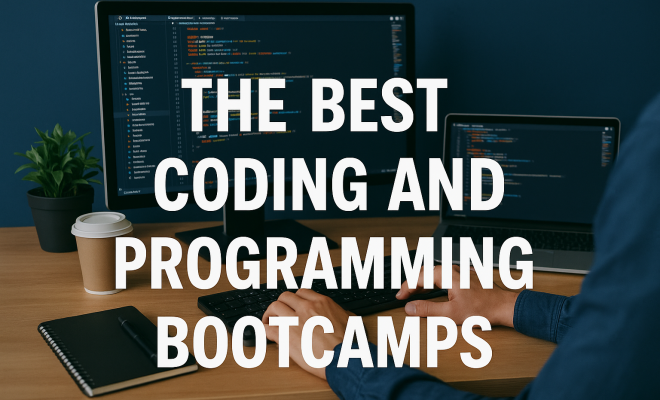
The Best Coding and Programming Bootcamps
“`html
In today’s digital landscape, coding bootcamps have become the go-to solution for aspiring tech professionals aiming to break into the industry quickly. These intensive training programs offer a fast-track route to learning coding and programming, often transforming novices into job-ready candidates in mere months. But with so many options available, how do you choose the right bootcamp for your needs? Here, we’ve rounded up seven of the best coding bootcamps that not only deliver high-quality training but also boast impressive outcomes for their graduates.
1. General Assembly
Established in 2011, General Assembly has emerged as a leader in the coding bootcamp arena. With campuses in over 20 cities worldwide, they offer immersive programs in software engineering, data science, and user experience design. What’s particularly appealing about General Assembly is their blend of high-quality instruction and practical, real-world projects.
Their software engineering bootcamp spans 12 weeks and covers essential programming languages such as JavaScript, Python, and Ruby on Rails. One of the standout features of General Assembly is their strong focus on job placement; they offer career support, including resume workshops and networking events. According to their statistics, 91% of graduates find a job within six months of completing the program.
2. Flatiron School
Flatiron School is renowned for its rigorous curriculum and high success rates among graduates. Founded in 2012, this bootcamp emphasizes a community approach to learning, fostering collaboration among students. They offer programs in software engineering, data science, and cybersecurity, all available in both online and in-person formats.
Flatiron’s software engineering program lasts 15 weeks and covers a wide range of technologies, with a strong emphasis on JavaScript, React, and Ruby on Rails. Flatiron School is proud of its outcomes, reporting that over 90% of graduates land jobs in tech within six months of graduation. Their unique job-seeking support includes one-on-one career coaching sessions and access to a vast employer network.
3. Springboard
Springboard offers a unique model that blends self-paced learning with mentorship. Their coding bootcamp caters to those looking to gain skills in software engineering, data analytics, and much more. The program allows students to work at their own pace while receiving support from industry experts.
One attractive aspect of Springboard is their job guarantee: if graduates don’t land a job within six months of completing their bootcamp, they receive a full refund. This level of confidence speaks to the quality of education provided and is a compelling reason to consider Springboard. The curriculum is tailored to current job market needs, ensuring students are learning relevant and in-demand skills.
4. Le Wagon
Le Wagon is a global coding bootcamp that has made a name for itself with its immersive 9-week program in web development. Originally founded in Paris, Le Wagon now operates in 40 cities across the world, making its quality education accessible to a diverse range of learners.
The curriculum covers front-end and back-end development, focusing on technologies like HTML, CSS, JavaScript, and Ruby on Rails. What sets Le Wagon apart is its strong emphasis on building a portfolio. By the end of the program, students will have developed several projects that they can showcase to potential employers. Graduates of Le Wagon report a 93% job placement rate within six months of completion, underscoring the effectiveness of their program.
5. Nucamp
If you’re looking for an affordable yet comprehensive coding bootcamp, Nucamp might be your best bet. This bootcamp offers a variety of programs, including full-stack web development, mobile development, and data science, all at a fraction of the cost of many competitors. (See: impact of education on career success.)
Nucamp’s programs are designed for flexibility and are accessible online, making them ideal for those who need to balance work or family commitments. Their full-stack web development bootcamp spans 22 weeks, covering essential technologies like HTML, CSS, JavaScript, and Node.js. Students have access to a supportive community and can participate in local meet-ups to enhance their learning experience. Graduates report a high degree of satisfaction with the program, and many successfully transition into tech roles shortly after completing their training.
6. Thinkful
Thinkful is another standout bootcamp that offers a variety of tech-focused programs, including software engineering, data science, and product management. What makes Thinkful unique is their commitment to personalized mentorship; every student is matched with a dedicated mentor who provides guidance throughout the program.
The software engineering bootcamp lasts six months and focuses on skills such as JavaScript, React, and Python. The program also includes project-based learning, allowing students to build a portfolio that they can present to employers. Thinkful also offers a deferred tuition plan, meaning students can pay for their education once they secure a job, which alleviates financial pressure. As a result, Thinkful boasts a job placement rate of 87% within six months of graduation.
7. Codecademy Pro
Codecademy has long been a popular resource for self-learners looking to dip their toes into programming. With the launch of Codecademy Pro, they’ve transformed into a more comprehensive bootcamp experience. This subscription-based model provides access to a wide range of courses, covering everything from web development to data science.
What’s appealing about Codecademy Pro is the flexibility it offers. Students can choose their own learning paths and work at their own pace. The platform includes hands-on projects and quizzes to reinforce learning, ensuring that students retain the knowledge they’re gaining. Although it may not have the structured environment of a traditional bootcamp, Codecademy Pro is perfect for self-motivated learners who prefer a less intensive approach.
Choosing the Best Bootcamp for You
When selecting a coding bootcamp, it’s essential to consider several factors, including your learning style, budget, and career goals. Each bootcamp has its own unique strengths, so take the time to research their offerings thoroughly. Here are a few tips to help you make the right choice:
- Evaluate your learning style: Do you thrive in a structured environment with in-person instruction, or do you prefer the flexibility of online, self-paced learning?
- Consider your budget: Bootcamp costs can vary significantly. Look for programs that offer financial aid or deferred payment plans if money is a concern.
- Research job placement rates: High placement rates are indicative of a bootcamp’s effectiveness in preparing students for the job market.
- Look at the curriculum: Ensure the bootcamp covers relevant technologies and skills that align with your career aspirations.
- Read reviews: Alumni testimonials can provide insights into the strengths and weaknesses of each program.
The Future of Coding Bootcamps
As the tech industry continues to expand, the demand for skilled programmers and software engineers remains high. Coding bootcamps are uniquely positioned to meet this demand by providing accessible, intensive training that prepares individuals for immediate employment. Many of these bootcamps are continually adapting their curricula to keep pace with emerging technologies and industry trends, ensuring that students are equipped with the skills necessary to succeed.
In addition, partnerships with tech companies are becoming increasingly common, allowing bootcamps to offer career placement services, networking opportunities, and even real-world project experience. This trend not only enhances the value of the bootcamp experience but also creates a bridge between education and employment.
Why Coding Bootcamps are Gaining Popularity
Coding bootcamps have gained traction for various reasons. One of the primary factors is the rapid pace of technological advancement. As industries evolve and new technologies emerge, traditional educational pathways may struggle to keep up. Bootcamps offer a more agile approach, equipping students with the latest skills needed in the workforce without the lengthy commitment of a degree program.
Another reason for their popularity is the accessibility and flexibility they provide. Many bootcamps cater to individuals who may not have the time or resources to pursue a full degree. With options for part-time, full-time, online, and in-person courses, learners can often choose a path that best fits their schedules and commitments.
Additionally, the success stories emerging from bootcamp graduates have fueled interest. Many alumni report significant salary increases and fulfilling careers after completing their training. According to a report from Course Report, the average salary for bootcamp graduates increased by 51% after attending a bootcamp, demonstrating the tangible value of these programs.
Comparing Bootcamps: What to Look For
When it comes to comparing coding bootcamps, there are several key factors to keep in mind: (See: latest news on education trends.)
- Curriculum Focus: Different bootcamps often specialize in various areas of coding and technology. Some may focus on web development, while others emphasize data science or UX/UI design. Choose a bootcamp that aligns with your career interests.
- Learning Format: Consider how you learn best. Do you prefer the structure of live classes, or do you thrive in a self-paced environment? Make sure the bootcamp you choose offers a format that suits your learning style.
- Career Support: Look for bootcamps that provide job placement services, mentorship, and networking opportunities. This support can be crucial in helping you secure a position after graduation.
- Instructor Experience: Research the backgrounds of the instructors. Experienced educators with industry experience can provide valuable insights and guidance, enhancing the learning experience.
- Student Community: Engaging with fellow students can enrich your learning experience. Bootcamps with strong communities can offer collaborative projects, hackathons, and peer support.
Real-World Impact of Coding Bootcamps
The impact of coding bootcamps extends beyond just individual success stories. These programs have begun to influence the broader tech industry by addressing skill shortages and providing diverse pathways for underrepresented groups in tech. Many bootcamps actively seek to create inclusive environments, encouraging women, minorities, and individuals from non-traditional backgrounds to pursue tech careers.
In response to the growing demand for diverse talent, some bootcamps have implemented scholarship programs aimed at supporting underrepresented groups. For instance, initiatives like ‘Women Who Code’ and ‘Black Girls Code’ have partnered with bootcamps to help increase accessibility and representation in the tech workforce.
Furthermore, companies are starting to recognize the value that bootcamp graduates bring to the table. Many tech companies have begun to partner with bootcamps to create tailored training programs that meet their specific needs. By doing so, they can cultivate a pipeline of skilled workers who are ready to tackle real-world challenges from day one.
Frequently Asked Questions (FAQ)
What is a coding bootcamp?
A coding bootcamp is an intensive training program designed to teach individuals coding and programming skills in a short amount of time, typically ranging from a few weeks to several months.
How much do coding bootcamps cost?
Bootcamp costs can vary widely, typically ranging from $7,000 to $20,000 depending on the program and format. Some bootcamps offer financial aid, payment plans, or income-share agreements to help manage costs.
Are coding bootcamps worth it?
Many graduates find that coding bootcamps are worth the investment, especially considering the high job placement rates and potential salary increases. However, the value can depend on the specific bootcamp, your personal learning style, and your career goals.
Can I work while attending a bootcamp?
Many bootcamps offer part-time or flexible schedules, allowing students to work while they learn. However, full-time bootcamps may require a more significant time commitment, making it challenging to balance a job simultaneously.
Do I need prior experience to enroll in a bootcamp?
Most coding bootcamps cater to beginners and do not require prior coding experience, although some may recommend completing a pre-course or introductory material to help you get started.
What kind of support do coding bootcamps offer after graduation?
Many bootcamps provide ongoing career support even after graduation, including resume reviews, interview preparation, and access to an alumni network for job opportunities. This can be an invaluable resource as you enter the job market or seek new career advancements.
What technologies should I learn in a coding bootcamp?
The technologies you should learn depend on your career goals. Most bootcamps cover popular programming languages and frameworks such as JavaScript, Python, HTML, CSS, and SQL. It’s wise to research industry demands to make informed choices. (See: New York Times on coding bootcamps.)
How soon can I expect to find a job after completing a bootcamp?
While job placement rates vary, many bootcamp graduates report securing jobs within three to six months after completion. Bootcamp career services can be instrumental in facilitating this process.
The Growing Demand for Coding Skills
As the tech industry evolves, the need for coding skills continues to surge. According to the U.S. Bureau of Labor Statistics, employment for software developers is projected to grow 22% from 2020 to 2030, much faster than the average for all occupations. Bootcamps are an effective way to meet this demand, providing learners with the necessary skills in a fraction of the time it takes to earn a traditional degree.
In addition, many industries beyond tech—such as healthcare, finance, and education—are increasingly incorporating technology into their operations. As a result, professionals in these fields are also seeking coding skills to enhance their career prospects. Coding bootcamps cater to this diverse audience by offering specialized courses that can bridge the gap for non-tech professionals transitioning into tech-related roles.
Success Stories: Alumni Experiences
To truly understand the impact of coding bootcamps, it’s helpful to hear from alumni who have successfully transitioned into tech careers. Many graduates share their stories of how bootcamps have transformed their lives. For example, Jessica, a former school teacher, enrolled in a bootcamp to learn web development. After completing the program, she secured a job at a tech startup with a salary that was more than double her previous income.
Similarly, Mike, who had a background in marketing, found that his newfound coding skills enabled him to transition seamlessly into a product management role. He emphasizes the importance of the hands-on projects and mentorship he received throughout the bootcamp, which helped him gain confidence in his abilities.
These success stories are not just outliers; they are indicative of a broader trend among bootcamp graduates. Many report significant increases in salary and job satisfaction, reinforcing the value of these intensive training programs.
Conclusion
Coding bootcamps have revolutionized the way individuals can enter the tech workforce, making it easier than ever to acquire in-demand skills quickly. Whether you choose a well-established institution like General Assembly or a more flexible option like Codecademy Pro, there’s a coding bootcamp out there that can meet your needs. As you consider your next steps, remember that the right bootcamp can serve as a powerful launching pad into a rewarding and lucrative tech career.
“`
Trending Now
Frequently Asked Questions
What are the best coding bootcamps?
Some of the best coding bootcamps include General Assembly and Flatiron School. General Assembly offers immersive programs in software engineering, data science, and UX design, while Flatiron School is known for its rigorous curriculum and high job placement rates in software engineering, data science, and cybersecurity.
How long do coding bootcamps usually last?
Coding bootcamps typically last between 12 to 15 weeks. For example, General Assembly's software engineering bootcamp is 12 weeks long, while Flatiron School's program spans 15 weeks, providing intensive training to help students become job-ready quickly.
Do coding bootcamps guarantee job placement?
While coding bootcamps do not guarantee job placement, many, like General Assembly and Flatiron School, offer strong career support services. For instance, General Assembly reports that 91% of its graduates find jobs within six months of completing their program.
What programming languages do coding bootcamps teach?
Coding bootcamps teach various programming languages, with popular options including JavaScript, Python, and Ruby on Rails. Programs often cover essential technologies and frameworks to prepare students for real-world coding challenges.
Are online coding bootcamps effective?
Yes, online coding bootcamps can be highly effective. Many bootcamps, like Flatiron School, offer online formats that provide the same rigorous curriculum and community support as in-person classes, enabling students to learn flexibly while still gaining essential skills.
Agree or disagree? Drop a comment and tell us what you think.