Top 10 Liberal Arts Colleges in America for 2026-2027 Revealed
“`html
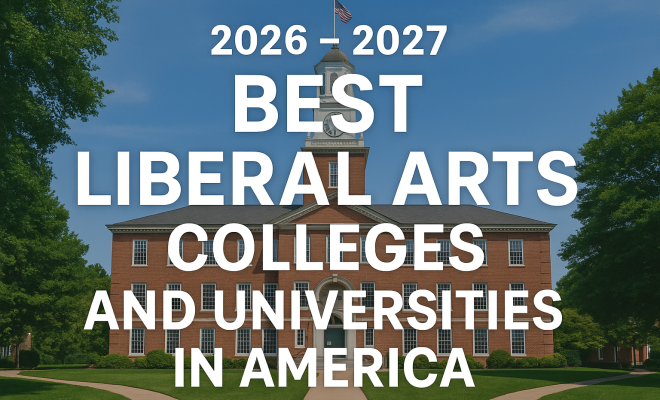
As students gear up for the next academic year, the quest for the best liberal arts colleges 2026 2027 takes center stage. Liberal arts education has long been celebrated for its focus on broad-based learning, critical thinking, and holistic development. With a multitude of institutions vying for the top spots, navigating through rankings and offerings can be overwhelming. This article delves into the top 10 liberal arts colleges in America for the 2026-2027 academic year, providing insights on why they stand out and what makes them unique.
1. Williams College: Academic Excellence and Community Engagement
Located in Williamstown, Massachusetts, Williams College consistently ranks as one of the best liberal arts colleges in the country. Known for its rigorous academics, Williams boasts a student-faculty ratio of 7:1, allowing for personalized attention and mentorship from professors. With a commitment to undergraduate education, the college emphasizes critical thinking and encourages students to engage in collaborative research projects.
Beyond academics, Williams is renowned for its vibrant campus life. The college has a strong focus on community engagement, with students actively participating in outreach programs and local initiatives. This blend of academic rigor and social responsibility prepares graduates not just for careers, but also for meaningful contributions to society.
2. Amherst College: Tradition Meets Innovation
Amherst College, also in Massachusetts, is another top contender on the list of best liberal arts colleges 2026 2027. With an impressive endowment and a commitment to financial aid, Amherst is able to maintain a need-blind admission policy. This means that the college admits students regardless of their financial situation, ensuring that a diverse array of voices and experiences enriches the campus community.
Academically, Amherst offers a unique open curriculum that allows students to design their own educational paths. This flexibility encourages intellectual curiosity and fosters a culture of exploration. With an emphasis on discussion-based classes and collaborative learning, Amherst nurtures students’ critical thinking skills while preparing them for advanced studies or professional careers.
3. Swarthmore College: Social Responsibility and Academic Rigor
Swarthmore College, located in Pennsylvania, is celebrated for its strong commitment to social responsibility and ethics. With a mission that intertwines academic excellence with social justice, Swarthmore encourages students to engage with pressing societal issues. The college’s honors program allows students to delve deeply into their majors while also exploring interdisciplinary connections.
One of Swarthmore’s standout features is its focus on research opportunities for undergraduates. Students can engage in meaningful projects, often collaborating with faculty members, which enhances their learning experience and prepares them for future endeavors in graduate school or the workforce. The college’s commitment to sustainability and social activism also aligns with the values of many contemporary students.
4. Middlebury College: Global Engagement and Language Acquisition
Middlebury College in Vermont is distinguished by its emphasis on global education. Known for its language programs, Middlebury offers immersive experiences that allow students to study languages and cultures in depth. The Middlebury Language Schools are particularly renowned, attracting students from around the world eager to master a new language.
This global perspective extends beyond language acquisition; Middlebury encourages students to participate in international study programs and internships. The college prides itself on cultivating globally aware citizens who are well-prepared to tackle international challenges. With a strong focus on environmental sustainability, Middlebury also stands out for its commitment to green initiatives on campus.
5. Pomona College: A Diverse and Engaging Community
Situated in California, Pomona College is recognized for its diverse and inclusive environment. As part of the Claremont Colleges consortium, Pomona students benefit from shared resources and cross-enrollment opportunities with neighboring institutions. This collaboration enriches the academic experience, providing students with a wealth of courses and extracurricular options.
Pomona College emphasizes research and encourages students to pursue independent projects in various disciplines. The close-knit community fosters strong connections between students and faculty, enhancing the learning experience. Moreover, Pomona’s commitment to diversity is reflected in its admissions process and campus life, creating a supportive atmosphere for all students. (See: Liberal arts education overview.)
6. Claremont McKenna College: Leadership and Economic Studies
Claremont McKenna College (CMC) in California is known for its strong emphasis on leadership and economics. With rigorous academic programs and a focus on preparing students for leadership positions, CMC attracts students interested in public affairs, economics, and international relations. The college’s proximity to Los Angeles also provides students with ample internship and networking opportunities.
The unique Keck Center for International and Strategic Studies allows students to engage with real-world challenges and develop solutions. CMC’s commitment to experiential learning, combined with its small class sizes, ensures that students receive personalized attention and mentorship from faculty. This combination of academic rigor and practical experience positions CMC graduates for success in various fields.
7. Carleton College: Intellectual Curiosity and Creative Expression
Carleton College, located in Northfield, Minnesota, prides itself on fostering intellectual curiosity and creativity. The college’s commitment to a liberal arts education encourages students to explore diverse fields and develop a well-rounded perspective. With a focus on experiential learning, Carleton offers numerous opportunities for research, study abroad, and internships.
Carleton is also known for its vibrant arts scene, with a range of programs in visual arts, music, and theater. The college encourages students to express themselves creatively, enriching the campus culture. Carleton’s supportive environment and strong sense of community contribute to a fulfilling college experience that prepares students for lifelong learning.
8. Wellesley College: Empowering Women Through Education
Wellesley College is one of the most prestigious women’s colleges in the United States. Located in Massachusetts, Wellesley is committed to empowering women through a rigorous liberal arts education. The college offers a strong curriculum that emphasizes leadership, critical thinking, and social responsibility.
Wellesley has a robust alumnae network that provides students with invaluable connections in various fields. The college’s commitment to supporting women’s education and leadership helps create a dynamic environment where students can thrive. With a strong focus on research and independent study, Wellesley prepares its graduates to excel in a range of careers and contribute meaningfully to society.
9. Haverford College: Emphasis on Honor and Community
Haverford College, located in Pennsylvania, is known for its strong Quaker values, emphasizing honor and community. The college’s Honor Code is integral to its academic culture, promoting integrity and mutual respect among students and faculty. This unique approach creates a supportive environment where students can thrive academically and personally.
Haverford’s commitment to interdisciplinary studies allows students to tailor their education to their interests. With a strong emphasis on research and collaboration, Haverford prepares students for success in various fields. The college’s commitment to social justice and community service also aligns with the values of many contemporary students, making it an attractive choice for those seeking a meaningful college experience. This builds on top U.S. cities for students.
10. Grinnell College: Innovation and Social Justice
Rounding out our list of the best liberal arts colleges 2026 2027 is Grinnell College in Iowa. Known for its progressive values and commitment to social justice, Grinnell fosters an environment where students are encouraged to think critically about societal issues. The college’s open curriculum allows students to explore their interests and engage in interdisciplinary studies.
Grinnell also emphasizes experiential learning through internships and community engagement. The college has a strong track record of preparing graduates for leadership roles in various sectors, including public service, education, and social justice advocacy. Grinnell’s innovative approach to education, combined with its commitment to diversity and inclusion, makes it a standout choice for prospective students.
Trends in Liberal Arts Education for 2026-2027
The landscape of liberal arts education is continuously evolving. For the academic year 2026-2027, several trends are emerging that prospective students should consider. One notable trend is the growing emphasis on technology integration in the curriculum. Colleges are increasingly offering courses that bridge the gap between traditional liberal arts education and contemporary technological skills, preparing students for a workforce that demands versatility and adaptability.
Additionally, there is a heightened focus on mental health and well-being on campuses. Many top liberal arts colleges are implementing programs designed to support student mental health, recognizing the importance of emotional and psychological wellness in academic success. Institutions are prioritizing resources such as counseling services, wellness workshops, and peer support groups to create a nurturing environment. (See: New York State Education Department.)
Comparative Analysis: Liberal Arts Colleges vs. Research Universities
When deciding on the best path for higher education, students often weigh the benefits of attending a liberal arts college versus a larger research university. One major distinction is the student-to-faculty ratio. At liberal arts colleges, this ratio tends to be much lower, allowing for personalized instruction and mentorship that is often harder to find in larger universities.
Research universities typically offer a wider array of specialized programs and resources, particularly for students interested in research. However, liberal arts colleges excel in cultivating critical thinking and communication skills which are essential in a rapidly changing job market. Employers often seek graduates who can think critically, adapt to new situations, and work collaboratively — all skills emphasized in a liberal arts education.
Statistics on Graduate Success from Liberal Arts Colleges
Recent studies reveal that graduates from liberal arts colleges tend to experience strong outcomes in terms of employment and earnings. According to a study by the Association of American Colleges and Universities, 80% of employers value the critical thinking and communication skills that liberal arts graduates possess. Additionally, liberal arts graduates earn approximately 20% more over their lifetimes compared to their peers from other educational backgrounds.
Another significant statistic is that liberal arts college graduates are often more likely to pursue advanced degrees. Reports indicate that around 25% of liberal arts alumni go on to complete graduate studies within five years of graduating, which is substantially higher than their counterparts from larger universities.
Frequently Asked Questions about Liberal Arts Colleges
What is a liberal arts college?
A liberal arts college is an institution of higher education that emphasizes undergraduate study in the liberal arts and sciences. These colleges aim to provide a broad educational foundation, fostering critical thinking, communication, and analytical skills.
What are the benefits of attending a liberal arts college?
Benefits include small class sizes, personalized attention from faculty, a strong community atmosphere, and a focus on critical thinking and interdisciplinary learning. Graduates are often well-prepared for diverse careers or advanced studies.
How do liberal arts colleges support diversity?
Many top liberal arts colleges implement need-blind admissions policies and offer robust financial aid packages to support a diverse student body. Moreover, they actively promote inclusivity through various programs and initiatives aimed at fostering a welcoming campus environment.
Are liberal arts colleges only for students interested in the arts?
No! While liberal arts colleges do offer strong programs in the arts, they also provide degrees in sciences, social sciences, humanities, and more. Students can pursue a wide range of academic interests.
How can I choose the right liberal arts college for me?
Consider factors such as academic offerings, campus culture, location, financial aid opportunities, and extracurricular activities. Visiting campuses and speaking with current students can also help you make a more informed decision.
The Importance of Community and Networking
Networking is a significant component of the college experience, and liberal arts colleges often foster close-knit communities that facilitate lasting connections. Alumni networks from these institutions are typically robust and supportive, providing students with access to mentorship, job opportunities, and industry connections in various fields. (See: Associated Press Education News.)
For instance, many colleges host career fairs, networking events, and workshops that connect students with alumni. This can be particularly beneficial for students exploring diverse career paths or looking to enter competitive industries. The collaborative spirit of liberal arts colleges helps to maintain a lifelong connection among graduates, promoting professional development long after they leave campus.
Graduate Programs and Continuing Education
Many liberal arts colleges offer various graduate programs and continuing education opportunities. For students who wish to further their studies, attending a graduate program at their undergraduate institution can provide a seamless transition and a familiar environment. This can be particularly advantageous, as students can build upon relationships with faculty who already understand their academic strengths and areas for growth. We covered guide to online colleges in more detail.
Additionally, some colleges have partnerships with universities that allow students to take graduate-level courses or participate in dual degree programs. This not only broadens their educational experience but also enhances their resumes and career prospects.
Career Services and Job Placement Rates
Liberal arts colleges usually have dedicated career services that assist students with internships, job placements, and professional development. These centers often provide resume workshops, interview preparation, and networking events tailored to the unique needs of liberal arts graduates.
Statistics show that many graduates from these institutions find employment within six months of graduation. According to the National Association of Colleges and Employers, liberal arts graduates have a job placement rate of approximately 90% shortly after completing their degrees. This demonstrates the effectiveness of the career services provided and the advantages of a liberal arts education in the job market.
Emerging Fields for Liberal Arts Graduates
As the job market evolves, liberal arts colleges are adapting their curricula to prepare students for emerging fields. Areas such as data analytics, digital marketing, and environmental sustainability are becoming increasingly relevant. Liberal arts graduates, equipped with critical thinking and communication skills, are well-suited to thrive in these interdisciplinary fields.
For example, many liberal arts colleges are integrating technology and humanities, allowing students to explore the intersection of these disciplines. This approach helps them understand how cultural, social, and ethical considerations affect technological advancements, making them valuable assets in a diverse array of professions.
Choosing the right liberal arts college can shape your educational journey and career trajectory. The best liberal arts colleges 2026 2027 not only offer rigorous academics but also foster vibrant communities where students can grow personally and socially. As you consider your options, think about what environment will best suit your aspirations and values. The institutions listed above are not just centers of learning; they are places where future leaders are born, nurtured, and empowered to change the world.
“`
Trending Now
Frequently Asked Questions
What are the best liberal arts colleges in America for 2026-2027?
The top liberal arts colleges in America for the 2026-2027 academic year include Williams College, known for its academic excellence and community engagement, and Amherst College, which offers a unique open curriculum and a need-blind admission policy.
Why is liberal arts education important?
Liberal arts education is important as it emphasizes broad-based learning, critical thinking, and holistic development, preparing students for diverse careers and meaningful contributions to society.
What makes Williams College unique?
Williams College stands out due to its rigorous academics, a low student-faculty ratio of 7:1, and a strong emphasis on community engagement, allowing students to participate in outreach programs and collaborative research.
How does Amherst College support financial aid?
Amherst College maintains a need-blind admission policy, allowing it to admit students regardless of their financial situations, thus fostering a diverse campus community enriched by various voices and experiences.
What is the student-faculty ratio at top liberal arts colleges?
Top liberal arts colleges, like Williams College, often have low student-faculty ratios, such as 7:1, which facilitates personalized attention, mentorship, and collaborative research opportunities for students.
What’s your take on this? Share your thoughts in the comments below — we read every one.