Spotify Now Sells Physical Books in US & UK (2026)
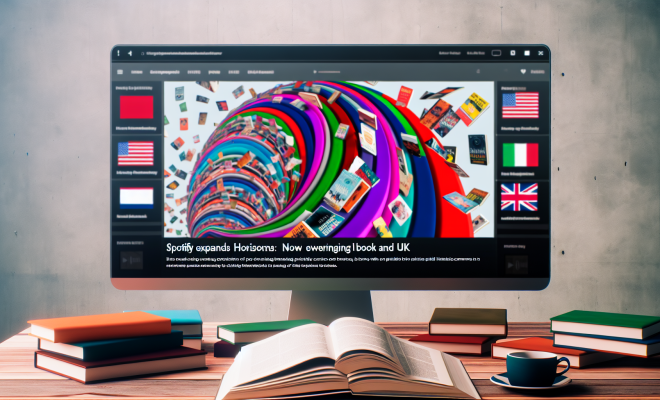
Spotify, the popular music and podcast streaming platform, has recently made a significant leap beyond audio by launching a feature that allows users to purchase physical books directly through its app. Initially introduced for English language titles in February 2026, this new service is now available for Android users in the United States and United Kingdom, with iOS users set to gain access the following week.
Expanding the Reading Experience
With this latest update, Spotify aims to enhance the user experience by integrating physical books into its existing ecosystem, which has primarily focused on audio content. This move aligns with a broader trend of digital platforms diversifying their offerings to create a more comprehensive user engagement strategy.
How It Works
Spotify’s new feature allows users to browse and purchase physical books directly from the app. By leveraging their existing audiobook library, Spotify has created a seamless transition for users who enjoy audiobooks and may be inclined to read the physical versions as well. The process is designed to be user-friendly, allowing customers to search for titles, view details, and complete purchases all within the app.
Engagement Through Page Match
Spotify’s data indicates that users utilizing the Page Match feature—an innovative tool that connects physical books with their audiobook counterparts—are significantly more engaged with the platform. According to the company, these users stream an average of 55% more audiobook hours per week than those who do not use this feature. This statistic underscores the potential for increased user engagement as Spotify continues to integrate various types of content.
The Audiobook-to-Physical Book Connection
The Page Match feature not only enhances the user experience but also serves as a strategic marketing tool for both Spotify and publishing houses. By promoting physical books alongside audiobooks, Spotify creates a unique synergy that encourages users to explore different formats of the same story. This could lead to a new trend in how books are consumed, with audiobooks serving as a gateway to purchasing physical copies.
Market Impact and Future Prospects
The introduction of physical book purchases comes at a time when the publishing industry is undergoing significant transformation. As more consumers turn to digital content, traditional publishers are seeking innovative ways to reach audiences. Spotify’s entry into this space could disrupt conventional book retailing, especially as it utilizes its vast user base to promote physical titles.
- Increased Reach: Spotify boasts millions of active users, providing publishers with an unparalleled platform to showcase their books.
- Targeted Marketing: With sophisticated algorithms and user data, Spotify can tailor book recommendations to individual preferences, potentially increasing sales.
- Cross-Promotion: Users who engage with audiobooks may be more likely to purchase physical copies, creating a mutually beneficial relationship between Spotify and publishers.
User Reactions
The response from users has been overwhelmingly positive, with many expressing excitement over the convenience of purchasing books directly from the app they already use for audio content. This feature not only simplifies the process of acquiring new books but also enriches the overall user experience on the platform.
Conclusion
Spotify’s foray into the world of physical book sales represents a bold and innovative step in the evolution of content consumption. By merging the realms of audio and print, Spotify is not only broadening its service offerings but also reshaping the way users engage with literature. As this feature rolls out to more users, it will be interesting to see how the integration of physical books impacts both Spotify’s growth and the publishing industry at large.
As Spotify continues to explore new avenues for content delivery, the company is poised to become a major player in the book retail space, potentially changing the landscape of how we purchase and enjoy books in the digital age.