The Edvocate

Top Menu

Main Menu

  • Start Here
    • Our Brands
    • Governance
      • Lynch Education Consulting, LLC.
      • Dr. Lynch’s Personal Website
      • Careers
    • Write For Us
    • Books
    • The Tech Edvocate Product Guide
    • Contact Us
    • The Edvocate Podcast
    • Edupedia
    • Pedagogue
    • Terms and Conditions
    • Privacy Policy
  • PreK-12
    • Assessment
    • Assistive Technology
    • Best PreK-12 Schools in America
    • Child Development
    • Classroom Management
    • Early Childhood
    • EdTech & Innovation
    • Education Leadership
    • Equity
    • First Year Teachers
    • Gifted and Talented Education
    • Special Education
    • Parental Involvement
    • Policy & Reform
    • Teachers
  • Higher Ed
    • Best Colleges and Universities
    • Best College and University Programs
    • HBCU’s
    • Diversity
    • Higher Education EdTech
    • Higher Education
    • International Education
  • Advertise
  • The Tech Edvocate Awards
    • The Awards Process
    • Finalists and Winners of The 2026 Tech Edvocate Awards
    • Finalists and Winners of The 2025 Tech Edvocate Awards
    • Finalists and Winners of The 2024 Tech Edvocate Awards
    • Finalists and Winners of The 2023 Tech Edvocate Awards
    • Finalists and Winners of The 2021 Tech Edvocate Awards
    • Finalists and Winners of The 2022 Tech Edvocate Awards
    • Finalists and Winners of The 2020 Tech Edvocate Awards
    • Finalists and Winners of The 2019 Tech Edvocate Awards
    • Finalists and Winners of The 2018 Tech Edvocate Awards
    • Finalists and Winners of The 2017 Tech Edvocate Awards
    • Award Seals
  • Apps
    • GPA Calculator for College
    • GPA Calculator for High School
    • Cumulative GPA Calculator
    • Grade Calculator
    • Weighted Grade Calculator
    • Final Grade Calculator
  • The Tech Edvocate
  • Post a Job
  • AI Powered Personal Tutor

logo

The Edvocate

  • Start Here
    • Our Brands
    • Governance
      • Lynch Education Consulting, LLC.
      • Dr. Lynch’s Personal Website
        • My Speaking Page
      • Careers
    • Write For Us
    • Books
    • The Tech Edvocate Product Guide
    • Contact Us
    • The Edvocate Podcast
    • Edupedia
    • Pedagogue
    • Terms and Conditions
    • Privacy Policy
  • PreK-12
    • Assessment
    • Assistive Technology
    • Best PreK-12 Schools in America
    • Child Development
    • Classroom Management
    • Early Childhood
    • EdTech & Innovation
    • Education Leadership
    • Equity
    • First Year Teachers
    • Gifted and Talented Education
    • Special Education
    • Parental Involvement
    • Policy & Reform
    • Teachers
  • Higher Ed
    • Best Colleges and Universities
    • Best College and University Programs
    • HBCU’s
    • Diversity
    • Higher Education EdTech
    • Higher Education
    • International Education
  • Advertise
  • The Tech Edvocate Awards
    • The Awards Process
    • Finalists and Winners of The 2026 Tech Edvocate Awards
    • Finalists and Winners of The 2025 Tech Edvocate Awards
    • Finalists and Winners of The 2024 Tech Edvocate Awards
    • Finalists and Winners of The 2023 Tech Edvocate Awards
    • Finalists and Winners of The 2021 Tech Edvocate Awards
    • Finalists and Winners of The 2022 Tech Edvocate Awards
    • Finalists and Winners of The 2020 Tech Edvocate Awards
    • Finalists and Winners of The 2019 Tech Edvocate Awards
    • Finalists and Winners of The 2018 Tech Edvocate Awards
    • Finalists and Winners of The 2017 Tech Edvocate Awards
    • Award Seals
  • Apps
    • GPA Calculator for College
    • GPA Calculator for High School
    • Cumulative GPA Calculator
    • Grade Calculator
    • Weighted Grade Calculator
    • Final Grade Calculator
  • The Tech Edvocate
  • Post a Job
  • AI Powered Personal Tutor
  • Heartbreaking: How Unaffordable Healthcare Forces Mothers to Sacrifice Their Own Well-being

  • The Staggering Truth About Child Care Costs — And How One Bill Could Finally Offer Relief

  • Harvard Study’s Troubling Discovery: Could AI Tutoring Make Universities Obsolete?

  • Urgent: Your Student Loan Interest Rate Just Got a Game-Changing Extension!

  • Why Online Teaching Isn’t What You Think: The Certifications That Actually Matter

  • Why Your Dream of Becoming an Online Professor is a Brutal Reality Check

  • Online Professor Salary Range: The Astonishing Truth Behind Those ‘Open’ Remote Roles

  • 2,000 Applicants Per Job? The Online Professor Market Is a Brutal Deception

  • Alaska’s $144 Million Boost: Will It Really Save Our K-12 Schools?

  • Alaskan Teachers Face a Brutal Housing Crisis: Here’s How They’re Fighting Back

Digital & Mobile Technology
Home›Digital & Mobile Technology›Del Valle High: Student Phones Solve Problems, Save Money

Del Valle High: Student Phones Solve Problems, Save Money

By Matthew Lynch
February 2, 2018
0
Spread the love

By Derek Newton

“Kids don’t leave their phones at home,” knows Dan Wheeler, the Instructional Technology Specialist at Del Valle High School near Austin, Texas.

And at Del Valle, kids with phones aren’t the problem.

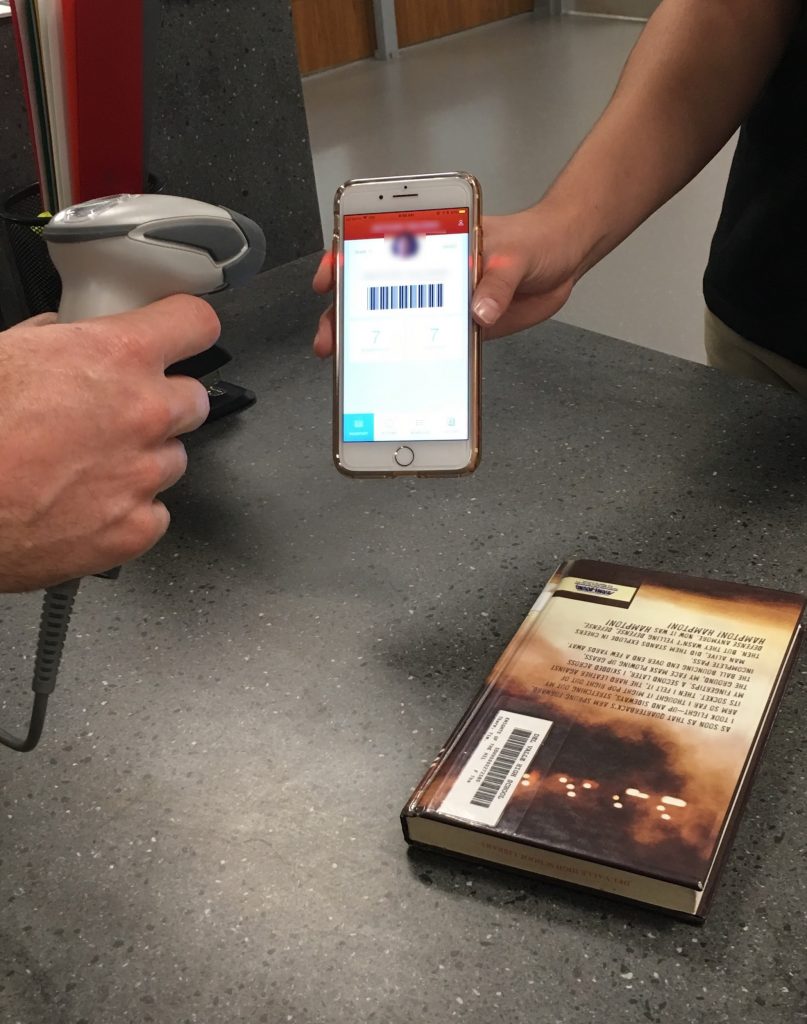
The school actually requires students to bring their phones every day because Del Valle has embraced a phone-based student ID system. Using the Hero K12 app, Del Valle switched to digital IDs, and Wheeler says it has made a significant difference for the school, students, parents, and teachers.

“We’ve saved thousands of dollars, maybe $6,000 overall, by just having to physically make fewer IDs for students,” he says. “There are significant costs of printing and delivering thousands of IDs plus continually replacing them because keeping track of IDs is, let’s face it, not really a high priority for students.”

In addition to mobile IDs, Del Valle uses the positive reinforcement tools in Hero to reward students when they are engaged in positive school actions, such as signing up for tutoring, making academic improvement, returning a lost item, or simply being a good school citizen.

“Instead of just issuing rules and handing out consequences,” Wheeler says, “with Hero, we award points for doing good, doing the things that lead to scholastic success.”

This approach came after some growing pains. When Del Valle started using Hero four years ago, Wheeler explains, “we only used it for tardiness and other negative behavior tracking because we didn’t have a full understanding of what it could be and why we should want to do more with it,” he said. “We tracked kids, ran reports but the policies skewed too negative. That was pretty unfair to the students since there was no way to earn points, only lose points. And the reports looked bad – like we had a ton of bad kids. The students hated it and the staff quickly burned out on only having a stick.”

Students use phones to collaborate on a classroom assignment at Del Valle High.

Instructional technology specialist Dan Wheeler saved his school $6K by switching to digital ID system from Hero K12 which also ties into a behavior management system to encourage and reward positive behavior.

But now, with the new digital ID and behavior management system, administrators and teachers can debit or dispense points for a host of behavior and citizenship issues – points the students can redeem at the school store for school supplies, school t-shirts, tickets to events, or other items.

And rewarding the positive – instead of just tracking the negative – has made a big impact. “Once we changed our methods and limited the negative  behaviors we tracked and gave kids easy ways to earn back points, we started seeing a big shift,” Wheeler said. “One freshman English teacher who had a tough class, for example, relied heavily on Hero to incentivize things like being on time and having materials out. She said it was a godsend for changing her class dynamics. It’s really cool to hear those stories,” he said.

Now that they have the hang of it, Wheeler says, Del Valle uses the integrated student ID and behavior platform to do other things too. Teachers can assign academic interventions and tutoring through the system and award points to the students who attend. Students use their new mobile IDs to scan out their lunches, and parents can access the system to get reports on their children’s progress and then provide further reinforcement around the behaviors the school is highlighting.

A further benefit of collecting and being able to analyze student conduct, both good and bad, is that administrators have a more complete and accurate view of the school environment. The reports aren’t singularly focused on infractions any longer. And with those detailed reports, administrators can now focus on the people and places where their resources will do the most good.
A student works on a laptop with a phone open to a learning app.

Students are never without their cell phones. A student ID is scanned from their phone. Del Valle High School in Austin Texas eliminated printed ID badges.

“We can see the five to ten percent of kids that can really benefit from our intervention,” Wheeler said. “The vast majority have good behavior and Hero has helped us not waste resources on the kids who don’t need them.”

Even with all the added benefits of this new system, shifting to a digital student ID and citizenship philosophy has required planning and consistency. According to Wheeler, “We work with freshman parents as part of our Freshman Academy, and then with students for a week straight through our homeroom teachers. We walk students through how-to videos, we verify the app is downloaded on each phone and that it’s working,” he said. “And we’re clear with our students – this is the ID you need to get lunch so you do need it.”

Del Valle is now averaging more than 14,000 tracked student activities and actions every four weeks. Time and financial savings are significant, as is the change that has happened with the school’s culture. With such a rich volume of student information now available to policy makers, administrators, teachers, and parents – all tied to something that students never neglect, their phones – it’s easy to see how the Hero integration at Del Valle could be a model for other schools.


About the Author

Derek Newton is a writer based in New York City who’s written about education for The Atlantic, Huffington Post and other publications. He attended Columbia University and served as Vice-President of the progressive think tank, The Century Foundation.  


Previous Article

5 Ways That Edtech is Democratizing Education

Next Article

If You Feel Frustrated with Edtech, Let ...

Matthew Lynch

Related articles More from author

  • Digital & Mobile TechnologyEarly Childhood & K-12 EdTechHigher Education EdTechTrending Topics

    Unlock Learning: Benefits of VR in K-12 Education

    June 7, 2017
    By Matthew Lynch
  • Digital & Mobile TechnologyEarly Childhood & K-12 EdTechTrending TopicsUncategorized

    10 ed-tech resources for school administrators

    September 15, 2017
    By Matthew Lynch
  • Digital & Mobile TechnologyEarly Childhood & K-12 EdTechTrending Topics

    10 Apps to Help Students With Their Science Homework

    July 17, 2017
    By Matthew Lynch
  • Digital & Mobile Technology

    Free Apps, Tools, and Resources That We Love

    September 29, 2021
    By Matthew Lynch
  • Digital & Mobile TechnologyEarly Childhood & K-12 EdTechEdTech Futures

    3D Printing Activities to Try in Your Classroom

    December 4, 2017
    By Matthew Lynch
  • Digital & Mobile TechnologyTeachers

    RAT Model: Everything You Need to Know

    January 18, 2023
    By Matthew Lynch

Search

Registration and Login

  • Log in
  • Entries feed
  • Comments feed
  • WordPress.org

Newsletter

Signup for The Edvocate Newsletter and have the latest in P-20 education news and opinion delivered to your email address!

RSS feed: Matthew on Education Week Matthew on Education Week

  • Au Revoir from Education Futures November 20, 2018 Matthew Lynch
  • 6 Steps to Data-Driven Literacy Instruction October 17, 2018 Matthew Lynch
  • Four Keys to a Modern IT Approach in K-12 Schools October 2, 2018 Matthew Lynch
  • What's the Difference Between Burnout and Demoralization, and What Can Teachers Do About It? September 27, 2018 Matthew Lynch
  • Revisiting Using Edtech for Bullying and Suicide Prevention September 10, 2018 Matthew Lynch

About Us

The Edvocate was created in 2014 to argue for shifts in education policy and organization in order to enhance the quality of education and the opportunities for learning afforded to P-20 students in America. What we envisage may not be the most straightforward or the most conventional ideas. We call for a relatively radical and certainly quite comprehensive reorganization of America’s P-20 system.

That reorganization, though, and the underlying effort, will have much to do with reviving the American education system, and reviving a national love of learning.  The Edvocate plans to be one of key architects of this revival, as it continues to advocate for education reform, equity, and innovation.

Newsletter

Signup for The Edvocate Newsletter and have the latest in P-20 education news and opinion delivered to your email address!

Contact

The Edvocate
910 Goddin Street
Richmond, VA 23230
(601) 630-5238
[email protected]
  • situs togel online
  • dentoto
  • situs toto 4d
  • situs toto slot
  • toto slot 4d
Copyright (c) 2026 Matthew Lynch. All rights reserved.