Artemis 2: NASA’s 2026 Moon Flyby Reignites Lunar Exploration
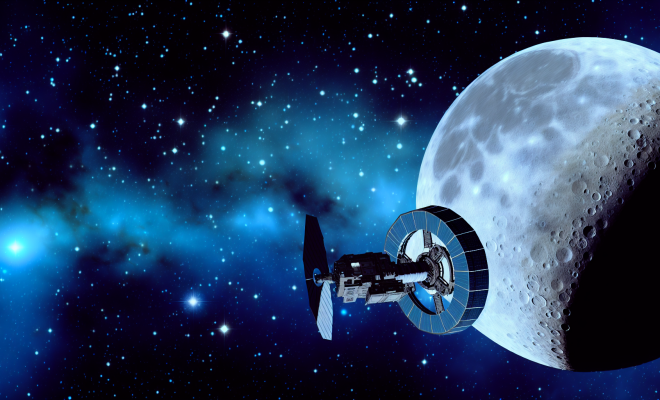
On April 6, 2026, NASA is set to make history with its Artemis 2 mission, a landmark event that will see four astronauts undertaking the first close human flyby of the Moon in over half a century. Scheduled to commence at 1:30 p.m. EDT (1730 GMT), this seven-hour journey promises to reignite humanity’s connection with lunar exploration and expand our understanding of the cosmos.
The Artemis Program: Revitalizing Lunar Exploration
The Artemis program, named after the Greek goddess of the Moon and twin sister to Apollo, is NASA’s ambitious initiative aimed at returning humans to the lunar surface and ultimately preparing for future missions to Mars. Artemis 2 will be the first crewed mission of the program, following the successful uncrewed Artemis 1 mission, which tested the Orion spacecraft’s capabilities last year.
The Artemis 2 mission is particularly significant as it marks a pivotal moment in space exploration, reviving human engagement with the Moon after the last Apollo mission in 1972. This mission will pave the way for Artemis 3, which aims to land astronauts on the lunar surface.
The Crew of Artemis 2
The Artemis 2 mission will be crewed by four highly trained astronauts:
- Christina Koch: A veteran astronaut, she holds the record for the longest single spaceflight by a woman.
- Jeremy Hansen: The first Canadian to participate in a crewed lunar mission, bringing his expertise in international collaboration.
- Victor Glover: Known for his recent role aboard the International Space Station, Glover will contribute valuable experience in long-duration missions.
- Reed Wiseman: A former naval aviator and test pilot, bringing a wealth of piloting skills to the mission.
This diverse crew represents a significant step toward inclusivity in space exploration, highlighting the importance of collaboration across nations and gender.
What to Expect During the Flyby
The Artemis 2 mission will feature a meticulously planned timeline, allowing for a series of events that will captivate audiences around the world:
- Launch: The mission kicked off on April 1, 2026, when the Orion spacecraft was launched into space, marking the beginning of the crew’s journey.
- Approaching the Moon: As the spacecraft approaches the Moon, the crew will conduct a series of system checks and calibrations to ensure the spacecraft is ready for the flyby.
- Lunar Flyby: At approximately 1:30 p.m. EDT, the Orion spacecraft will begin its flyby, coming within 60 miles (about 97 kilometers) of the lunar surface. This close encounter will allow the crew to capture breathtaking images and conduct scientific observations.
- Data Collection: Throughout the flyby, the crew will gather data on the Moon’s surface, including its topography and geological features, which will be crucial for future landing missions.
- Live Coverage: NASA will provide live coverage of the flyby, enabling millions of viewers to witness this historic event in real-time.
This structured approach not only ensures mission safety but also maximizes the scientific output of the flyby.
Scientific Goals of the Flyby
The Artemis 2 flyby is not just a ceremonial event; it serves several critical scientific purposes:
- Understanding Lunar Geology: The data collected will enhance our knowledge of the Moon’s formation and evolution, providing insights into its geological past.
- Testing Systems for Future Missions: This mission will serve as a testbed for technologies and systems that will be used in subsequent lunar landings, ensuring their effectiveness.
- Preparing for Mars Exploration: The experience gained from Artemis 2 will be invaluable for NASA’s aspirations of sending humans to Mars, informing mission planning and execution.
The scientific community eagerly anticipates the findings from this mission, which could reshape our understanding of lunar and planetary science.
The Future of Human Space Exploration
The success of Artemis 2 is crucial for the future of human space exploration. It symbolizes a renewed commitment to exploring our solar system and beyond, fostering international cooperation and inspiring the next generation of scientists and engineers.
As we stand on the brink of this exciting chapter in space history, the Artemis 2 mission represents hope and ambition, reminding us that the spirit of exploration is alive and well. With live coverage available through NASA’s channels, enthusiasts and the general public alike will have the opportunity to witness a momentous occasion that could redefine our relationship with the Moon and the wider universe.
In conclusion, the Artemis 2 mission not only seeks to push the boundaries of human spaceflight but also aims to unite people across the globe in a shared dream of exploration. As the world watches, NASA will take a giant leap forward, paving the way for future generations to continue the journey among the stars.