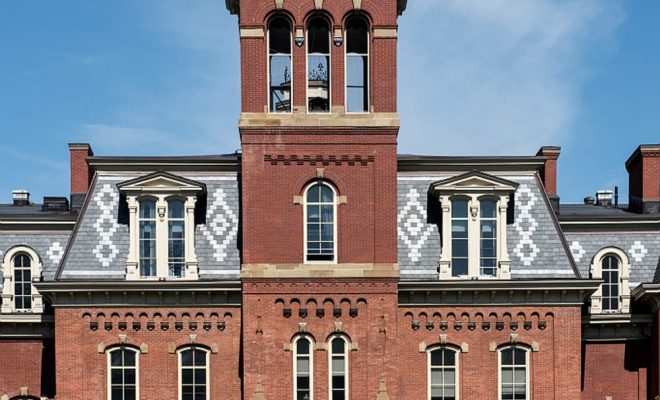
List of Community Colleges in South Carolina

Community Colleges in South Carolina: A Comprehensive Overview
Introduction: The Role of Community Colleges in South Carolina
Community colleges play a crucial role in the higher education landscape of South Carolina, providing accessible and affordable educational opportunities for residents. With a focus on workforce development, skill training, and transfer pathways to four-year institutions, these colleges serve diverse populations, including recent high school graduates, adult learners, and those seeking career advancement. This article presents a comprehensive list of community colleges in South Carolina, highlighting their unique offerings and contributions to the state's educational framework.
Overview of Community Colleges in South Carolina: Understanding Their Importance
Community colleges in South Carolina are essential for promoting higher education and enhancing the workforce. They provide an array of programs, including associate degrees, diplomas, and certificates in various fields. Additionally, many community colleges offer dual enrollment opportunities for high school students, allowing them to earn college credits while completing their secondary education.
The state's community colleges are committed to fostering economic development by aligning their programs with local industry needs. This responsiveness helps to prepare graduates for the workforce and meet the demands of employers in the region.
List of Community Colleges in South Carolina: Key Institutions and Their Offerings
- Midlands Technical College: A Leader in Workforce Development
Midlands Technical College (MTC) is located in Columbia and serves as one of the largest community colleges in the state. MTC offers a broad range of programs, including:
- Associate Degrees: Students can pursue degrees in fields such as business administration, engineering technology, and health sciences.
- Certificate Programs: MTC provides specialized training in areas like computer technology, culinary arts, and emergency medical services.
- Continuing Education: The college also offers non-credit courses for personal enrichment and professional development.
- Trident Technical College: Comprehensive Educational Opportunities
Trident Technical College, situated in the Charleston area, offers a variety of programs designed to meet the needs of its community. Key features include:
- Associate Degrees: Trident provides degrees in fields such as nursing, hospitality management, and information technology.
- Workforce Training: The college partners with local businesses to develop training programs that enhance workforce skills.
- Online Learning: Trident offers numerous online courses, making education accessible to a broader audience.
- Greenville Technical College: A Hub for Innovation and Learning
Greenville Technical College (GTC) is known for its commitment to innovation and quality education. The college offers:
- Associate Degrees: GTC provides degrees in areas like automotive technology, healthcare, and business.
- Technical Training: The college emphasizes hands-on learning through its state-of-the-art facilities and equipment.
- Transfer Pathways: GTC has established transfer agreements with several four-year institutions, facilitating seamless transitions for students.
- Florence-Darlington Technical College: Fostering Community Growth
Located in Florence, Florence-Darlington Technical College (FDTC) serves a diverse student population. Its offerings include:
- Associate Degrees: FDTC offers programs in fields such as criminal justice, health care, and mechanical engineering.
- Customized Training: The college provides tailored training programs to meet the specific needs of local industries.
- Adult Education: FDTC is committed to helping adult learners achieve their educational goals through various support services.
- Horry-Georgetown Technical College: Coastal Education Opportunities
Horry-Georgetown Technical College (HGTC) is located along the Grand Strand and offers educational opportunities to residents in the coastal region. Key highlights include:
- Associate Degrees: HGTC provides degrees in areas like marine technology, business, and health sciences.
- Dual Enrollment: The college allows high school students to take college courses, promoting higher education accessibility.
- Community Engagement: HGTC actively engages with local businesses and organizations to enhance workforce development.
- Piedmont Technical College: A Focus on Technical Education
Piedmont Technical College, located in Greenwood, emphasizes technical education and workforce training. Its key offerings include:
- Associate Degrees: The college offers programs in fields such as industrial technology, healthcare, and agriculture.
- Continuing Education: Piedmont provides non-credit courses for professional development and personal growth.
- Partnerships: The college collaborates with local industries to ensure its programs align with workforce needs.
- Spartanburg Community College: Preparing Students for Success
Spartanburg Community College (SCC) is dedicated to preparing students for success in their careers and further education. Notable programs include:
- Associate Degrees: SCC offers degrees in areas such as computer science, business management, and nursing.
- Workforce Development: The college provides training programs tailored to meet the specific needs of local employers.
- Flexible Learning: SCC offers evening and online classes, accommodating students with diverse schedules.
- York Technical College: A Commitment to Educational Access
York Technical College, located in Rock Hill, emphasizes educational access and community engagement. Key features include:
- Associate Degrees: The college offers programs in areas such as engineering technology, healthcare, and business administration.
- Adult Basic Education: York provides resources and programs for adult learners seeking to improve their skills and achieve academic success.
- Economic Development: The college partners with local industries to enhance workforce training and development initiatives.
Conclusion: The Impact of Community Colleges on South Carolina's Future
Community colleges in South Carolina are vital institutions that contribute significantly to the state's educational and economic landscape. By providing accessible and affordable educational opportunities, these colleges empower individuals to achieve their academic and career goals. As South Carolina continues to evolve, community colleges will play an essential role in preparing a skilled workforce and fostering economic growth.
With a diverse array of programs and services, community colleges are not just educational institutions; they are community anchors that support lifelong learning and professional development. As the demand for skilled workers continues to rise, the importance of these colleges will only grow, positioning them as key players in shaping the future of South Carolina’s workforce and economy.Community Colleges in South Carolina: A Comprehensive Overview
Introduction: The Role of Community Colleges in South Carolina
Community colleges play a crucial role in the higher education landscape of South Carolina, providing accessible and affordable educational opportunities for residents. With a focus on workforce development, skill training, and transfer pathways to four-year institutions, these colleges serve diverse populations, including recent high school graduates, adult learners, and those seeking career advancement. This article presents a comprehensive list of community colleges in South Carolina, highlighting their unique offerings and contributions to the state's educational framework.
Overview of Community Colleges in South Carolina: Understanding Their Importance
Community colleges in South Carolina are essential for promoting higher education and enhancing the workforce. They provide an array of programs, including associate degrees, diplomas, and certificates in various fields. Additionally, many community colleges offer dual enrollment opportunities for high school students, allowing them to earn college credits while completing their secondary education.
The state's community colleges are committed to fostering economic development by aligning their programs with local industry needs. This responsiveness helps to prepare graduates for the workforce and meet the demands of employers in the region.
List of Community Colleges in South Carolina: Key Institutions and Their Offerings
- Midlands Technical College: A Leader in Workforce Development
Midlands Technical College (MTC) is located in Columbia and serves as one of the largest community colleges in the state. MTC offers a broad range of programs, including:
Associate Degrees: Students can pursue degrees in fields such as business administration, engineering technology, and health sciences.
Certificate Programs: MTC provides specialized training in areas like computer technology, culinary arts, and emergency medical services.
Continuing Education: The college also offers non-credit courses for personal enrichment and professional development.
- Trident Technical College: Comprehensive Educational Opportunities
Trident Technical College, situated in the Charleston area, offers a variety of programs designed to meet the needs of its community. Key features include:
Associate Degrees: Trident provides degrees in fields such as nursing, hospitality management, and information technology.
Workforce Training: The college partners with local businesses to develop training programs that enhance workforce skills.
Online Learning: Trident offers numerous online courses, making education accessible to a broader audience.
- Greenville Technical College: A Hub for Innovation and Learning
Greenville Technical College (GTC) is known for its commitment to innovation and quality education. The college offers:
Associate Degrees: GTC provides degrees in areas like automotive technology, healthcare, and business.
Technical Training: The college emphasizes hands-on learning through its state-of-the-art facilities and equipment.
Transfer Pathways: GTC has established transfer agreements with several four-year institutions, facilitating seamless transitions for students.
- Florence-Darlington Technical College: Fostering Community Growth
Located in Florence, Florence-Darlington Technical College (FDTC) serves a diverse student population. Its offerings include:
Associate Degrees: FDTC offers programs in fields such as criminal justice, health care, and mechanical engineering.
Customized Training: The college provides tailored training programs to meet the specific needs of local industries.
Adult Education: FDTC is committed to helping adult learners achieve their educational goals through various support services.
- Horry-Georgetown Technical College: Coastal Education Opportunities
Horry-Georgetown Technical College (HGTC) is located along the Grand Strand and offers educational opportunities to residents in the coastal region. Key highlights include:
Associate Degrees: HGTC provides degrees in areas like marine technology, business, and health sciences.
Dual Enrollment: The college allows high school students to take college courses, promoting higher education accessibility.
Community Engagement: HGTC actively engages with local businesses and organizations to enhance workforce development.
- Piedmont Technical College: A Focus on Technical Education
Piedmont Technical College, located in Greenwood, emphasizes technical education and workforce training. Its key offerings include:
Associate Degrees: The college offers programs in fields such as industrial technology, healthcare, and agriculture.
Continuing Education: Piedmont provides non-credit courses for professional development and personal growth.
Partnerships: The college collaborates with local industries to ensure its programs align with workforce needs.
- Spartanburg Community College: Preparing Students for Success
Spartanburg Community College (SCC) is dedicated to preparing students for success in their careers and further education. Notable programs include:
Associate Degrees: SCC offers degrees in areas such as computer science, business management, and nursing.
Workforce Development: The college provides training programs tailored to meet the specific needs of local employers.
Flexible Learning: SCC offers evening and online classes, accommodating students with diverse schedules.
- York Technical College: A Commitment to Educational Access
York Technical College, located in Rock Hill, emphasizes educational access and community engagement. Key features include:
Associate Degrees: The college offers programs in areas such as engineering technology, healthcare, and business administration.
Adult Basic Education: York provides resources and programs for adult learners seeking to improve their skills and achieve academic success.
Economic Development: The college partners with local industries to enhance workforce training and development initiatives.
The Future of Community Colleges in South Carolina: Evolving to Meet Needs
As South Carolina continues to grow and change, community colleges will need to adapt to meet the evolving demands of the workforce and society. This may include expanding online offerings, increasing partnerships with local businesses, and developing new programs in emerging fields such as technology and renewable energy.
The emphasis on lifelong learning will also shape the future of community colleges, ensuring they remain relevant and accessible to all members of the community. By fostering collaboration between educational institutions, employers, and government agencies, community colleges can better prepare students for the challenges of tomorrow's job market.
Conclusion: The Impact of Community Colleges on South Carolina's Future
Community colleges in South Carolina are vital institutions that contribute significantly to the state's educational and economic landscape. By providing accessible and affordable educational opportunities, these colleges empower individuals to achieve their academic and career goals. As South Carolina continues to evolve, community colleges will play an essential role in preparing a skilled workforce and fostering economic growth.
With a diverse array of programs and services, community colleges are not just educational institutions; they are community anchors that support lifelong learning and professional development. As the demand for skilled workers continues to rise, the importance of these colleges will only grow, positioning them as key players in shaping the future of South Carolina’s workforce and economy. Their commitment to education and community service remains a cornerstone of the state’s development and prosperity.