AI Pranks: Law Enforcement Warns of Legal Risks & Deception
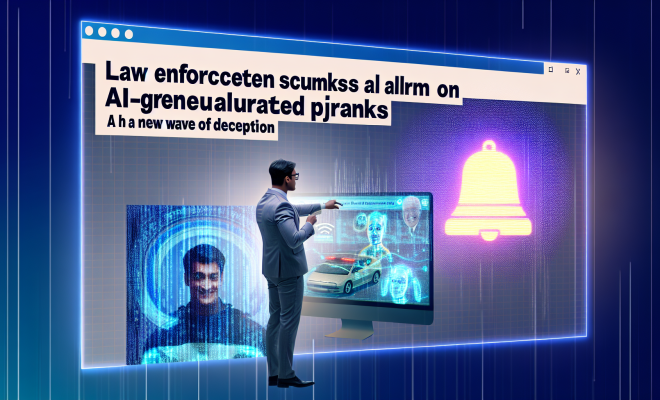
In an era where technology is rapidly advancing, law enforcement agencies are grappling with the consequences of artificial intelligence (AI) in everyday life. Recently, the Seminole County Sheriff’s Office in Florida has raised serious concerns over the surge of AI-generated prank videos that are gaining traction on social media platforms like TikTok. These deceptive videos not only mislead viewers but also pose significant legal risks for those who create and share them.
The Rise of AI Pranks
The integration of AI into digital content creation has made it easier for individuals to produce convincing yet fictitious videos. Platforms such as TikTok have become breeding grounds for these AI-generated pranks, which often go viral, attracting thousands of views and interactions. However, the allure of internet fame can carry severe consequences, as evidenced by a recent incident in Seminole County.
Incident in Seminole County
Law enforcement officials reported the arrest of a man named Alexis Martinez-Arizala, who faces multiple charges, including felony fabricating evidence. Martinez-Arizala allegedly presented a deputy with an AI-generated video purporting to show a crime, leading to a false police report. This incident highlights the troubling intersection of creativity, technology, and legality.
Legal Implications of AI-Generated Content
The ramifications of creating and disseminating AI-generated pranks can be far-reaching. Law enforcement officials are concerned that such actions could not only lead to criminal charges but also consume valuable police resources. The Seminole County Sheriff’s Office emphasized that these pranks can escalate quickly, leading to unnecessary panic and the misallocation of law enforcement efforts.
Potential Legal Charges
Those involved in creating or sharing misleading AI content could face several legal repercussions, including:
- Felony charges for fabricating evidence
- Charges related to disorderly conduct
- Possible civil liabilities for damages caused by the prank
As the legal landscape struggles to keep pace with technological advancements, individuals need to be aware of the potential consequences of their online actions.
Public Awareness and Education
In response to these growing concerns, law enforcement agencies are urging the public to exercise caution and critical thinking when encountering sensationalized content online. The Seminole County Sheriff’s Office has initiated campaigns to educate residents about the dangers of AI-generated pranks and the importance of verifying information before sharing or acting on it.
How to Spot AI-Generated Pranks
To help individuals distinguish between genuine content and AI-generated misinformation, law enforcement suggests the following tips:
- Check the Source: Always verify the credibility of the account sharing the video.
- Analyze the Content: Look for inconsistencies or unrealistic elements that may indicate the video is fabricated.
- Consult Trusted News Outlets: Before reacting or sharing, check reputable news sources for confirmation.
By increasing public awareness and promoting responsible content consumption, law enforcement hopes to mitigate the risks associated with AI pranks.
The Broader Implications of AI in Society
The phenomenon of AI-generated pranks is just one example of how technology can be manipulated for entertainment purposes. As AI continues to evolve, so too do the ethical and legal challenges that accompany its use. Experts worry that without regulations or guidelines, the misuse of AI could lead to more serious offenses, including harassment, misinformation campaigns, and even cyberbullying.
The Role of Social Media Platforms
Social media companies play a crucial role in addressing the challenges posed by AI-generated content. Platforms like TikTok have a responsibility to implement measures that can help identify and restrict the spread of misleading videos. This could include:
- Enhanced content moderation strategies
- Collaboration with law enforcement to report and take down harmful content
- Providing users with tools to better assess the authenticity of videos
As AI technology continues to advance, social media platforms must adapt to safeguard users from potential harm.
Conclusion
The emergence of AI-generated pranks poses a significant concern for law enforcement and society as a whole. Incidents like the arrest of Alexis Martinez-Arizala serve as stark reminders of the potential dangers of misusing technology for entertainment. By fostering public awareness and encouraging responsible content consumption, we can work together to navigate the complex landscape of AI and ensure that it is used ethically and responsibly.